Lemania 5100: 'We Took Precautions in Time'
In 2002, Lemania stopped making the Cal. 5100. Tutima had already stockpiled movements. We took precautions in time.
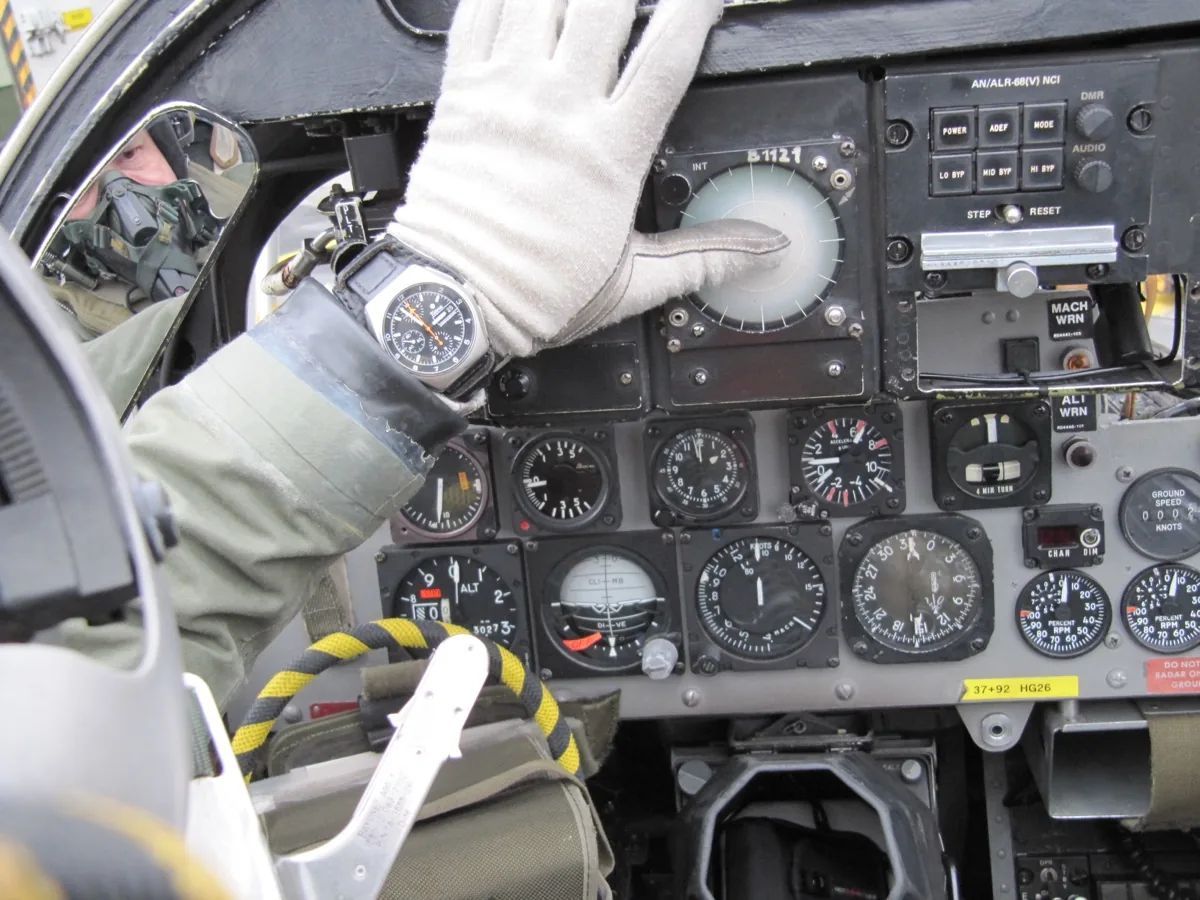
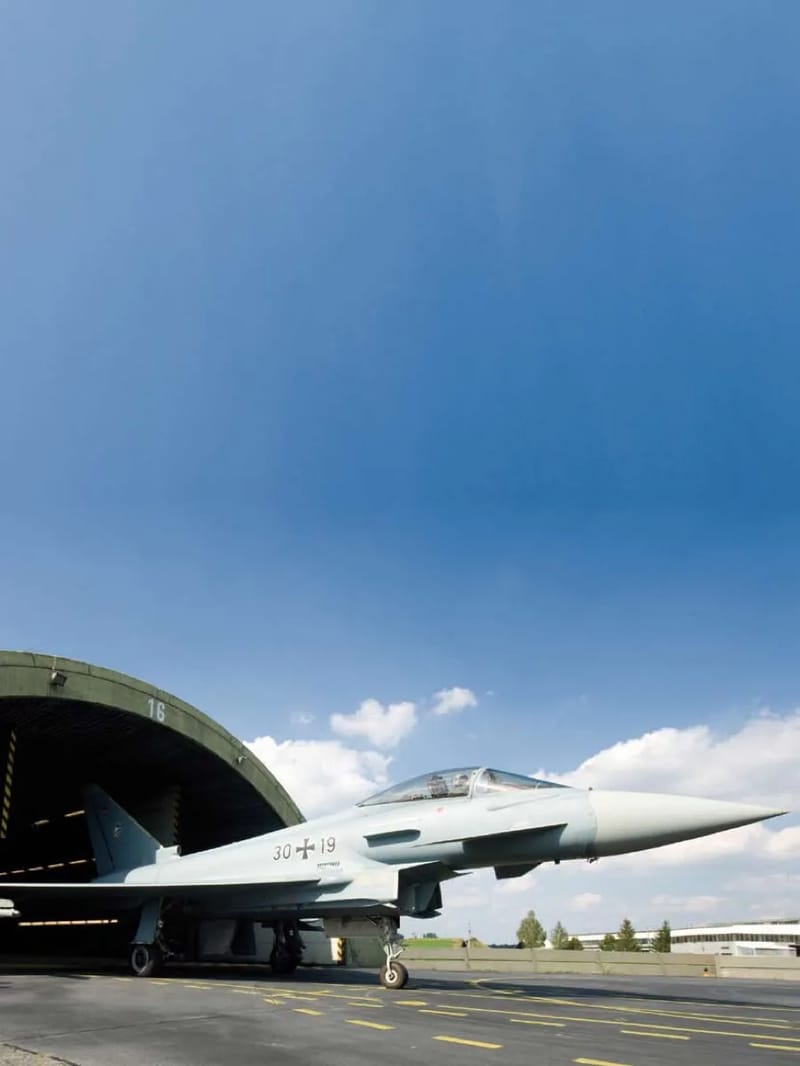
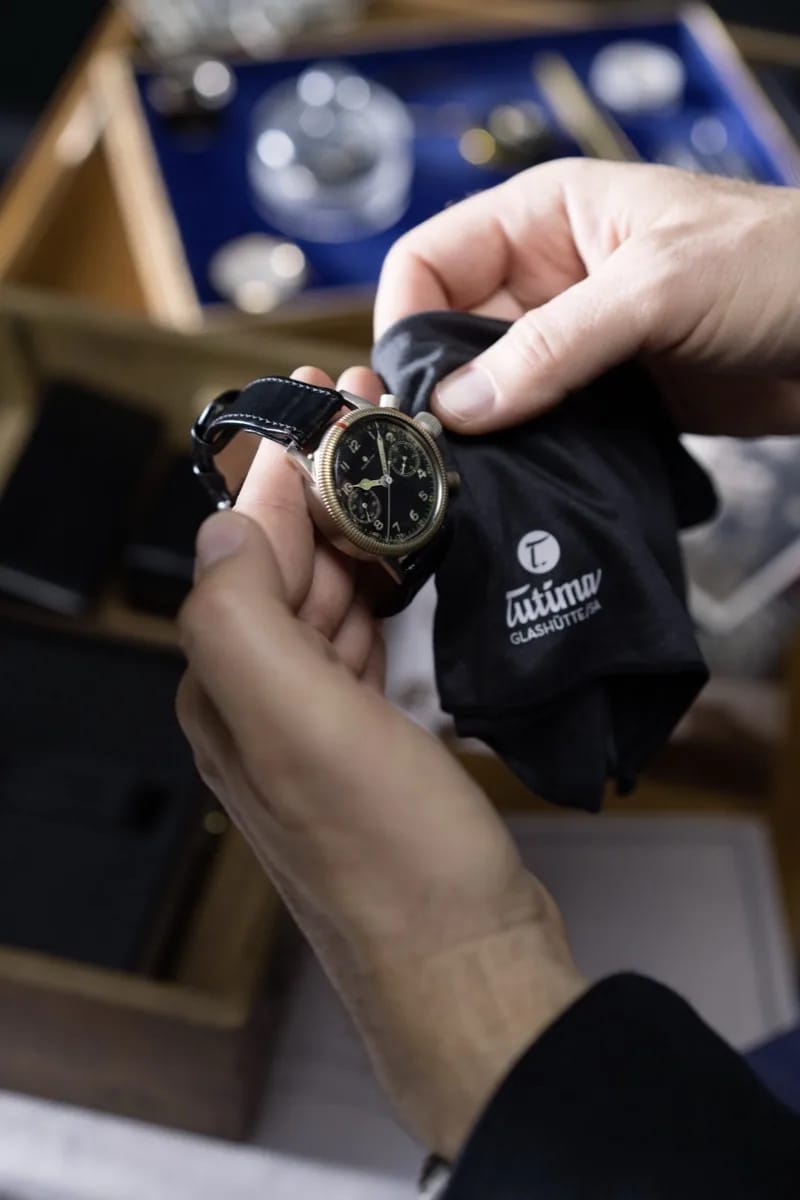
The Lemania Caliber 5100 was an automatic chronograph movement designed for military use. Robust, reliable, and — from a horological engineering perspective — almost indestructible. It powered the NATO Chronograph that Tutima built for the German Air Force beginning in 1984.
In 2002, Lemania announced the end of production. The Swatch Group, which had acquired Lemania, decided to discontinue the caliber. For most watchmakers who depended on it, this was a crisis. Movements could not be replaced ove ight.
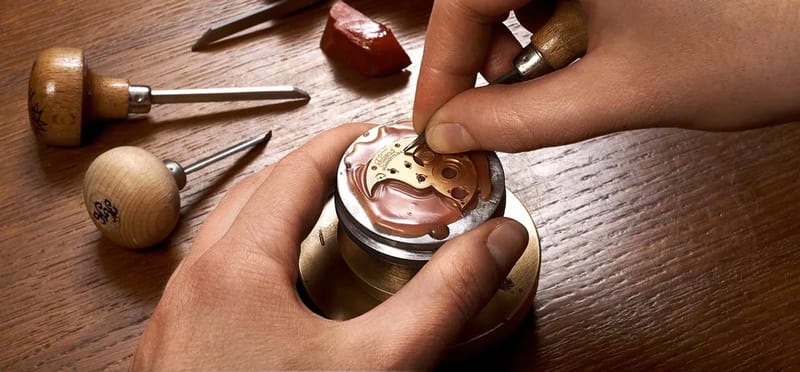
Dieter Delecate had seen it coming. "Wir haben beizeiten vorgesorgt" — we took precautions in time, he said with a satisfied smile. Tutima had stockpiled Lemania 5100 movements before the announcement. The exact quantity was never disclosed. Enough to develop Tutima's own calibers and service existing military watches for years.
The Military TL was something like a factory-new vintage car. Originally conceived for the Bundeswehr, the chronograph was produced unchanged from the 1980s until its discontinuation. Same case. Same movement. Same integrated pushers that sit flush with the case — a military requirement designed to prevent snagging under flight gear and allow operation with heavy gloves. The German military still maintains two workshops in northe Germany for repairing original NATO chronographs, and Tutima supplies spare parts for servicing them.
The stockpiled movements now serve a different purpose. Tutima uses them to develop its own modified calibers, including the Cal. 521 with its patented central minute hand. The mu-metal inner shield, the pearl-blasted titanium case, the 2.5-millimeter sapphire crystal anti-reflective on both sides — these details defined the Military TL. The specifications were set by combat requirements, not fashion cycles.
The stockpile strategy reflected a broader Tutima principle. Delecate had spent his career at a company that survived the destruction of Glashütte, the relocation to Ganderkesee, the quartz crisis, and the mechanical revival. He knew that supply chains break. He knew that movements get discontinued. He prepared accordingly.
The Cal. 5100 has passed countless tests under the toughest conditions. It does not need to be replaced with something newer. It needs to be maintained, which Tutima's watchmakers continue to do. A movement stockpiled in 2001 works identically to one made in 1984. Mechanical calibers do not expire.