Our Story
Glashütte
1845
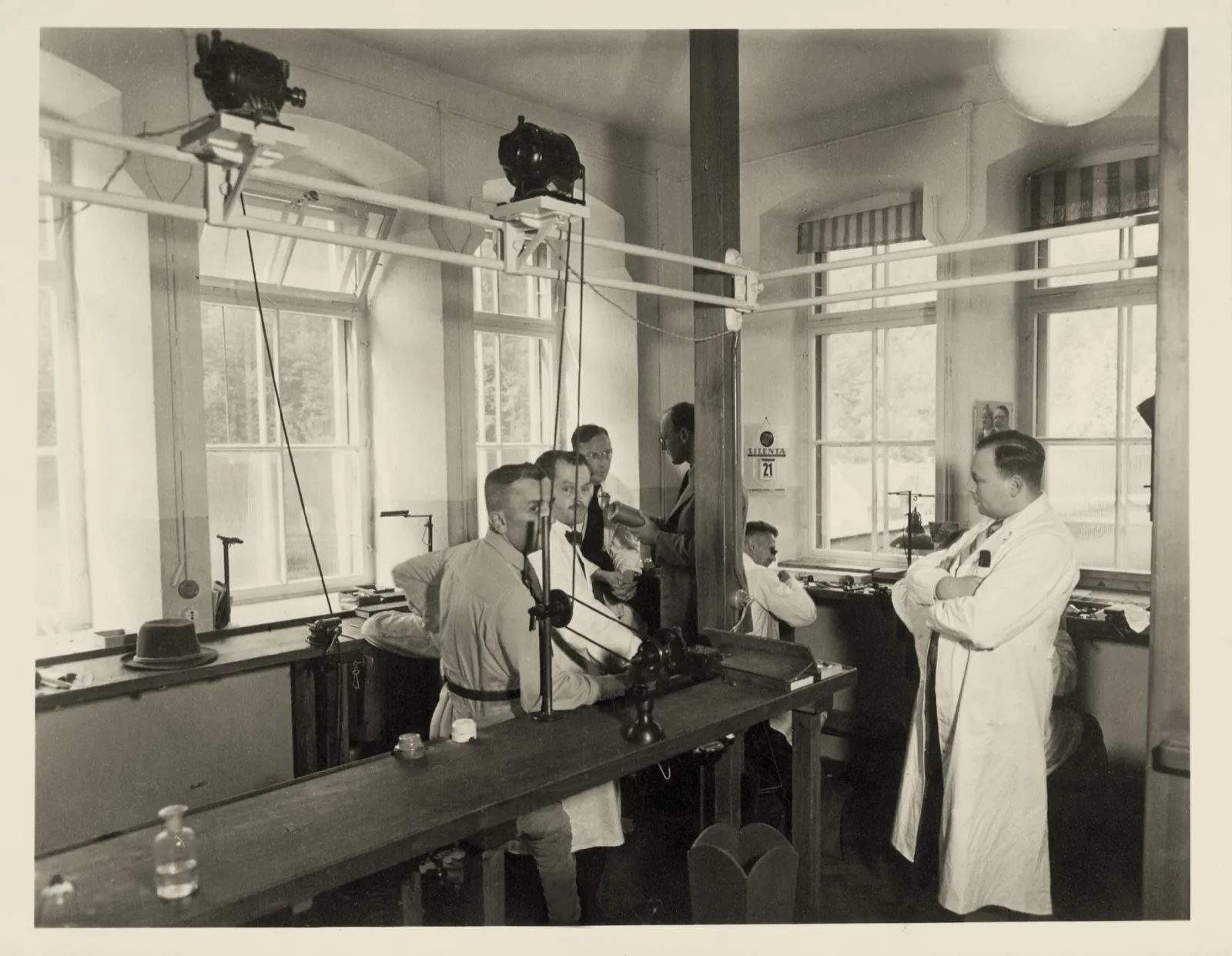
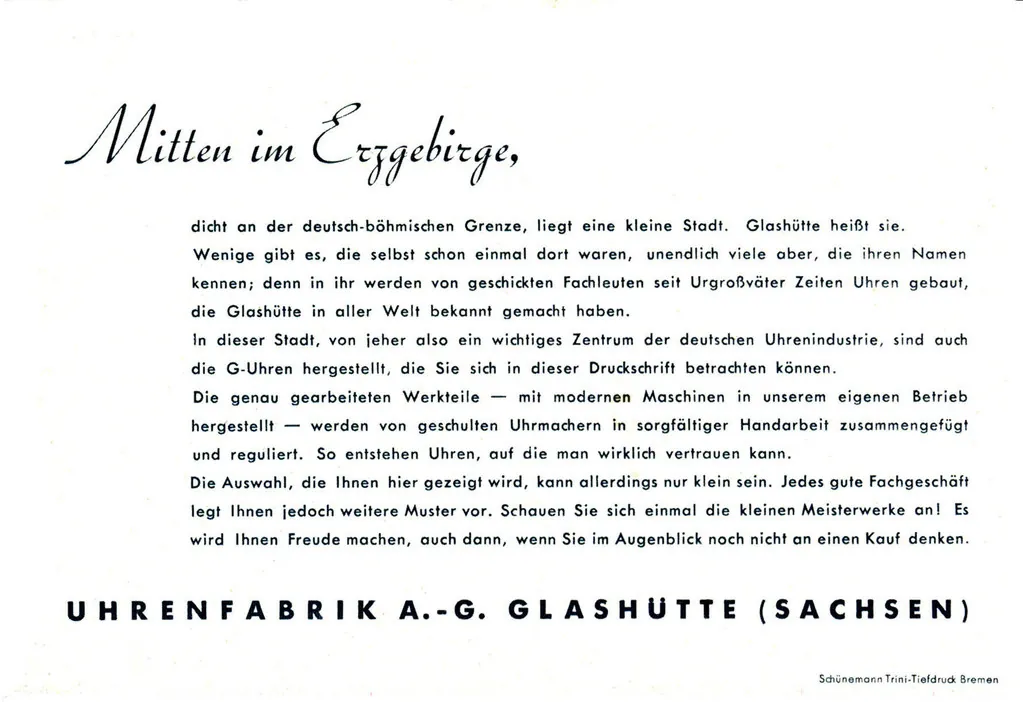
In 1845, Ferdinand Adolph Lange walked into a valley in Saxony to save a struggling mining town. He would teach its people to make watches. The town was Glashütte — surrounded by the Erzgebirge mountains, reached by a single road. Within a generation, it became the center of German precision watchmaking.
Today, 180 years later, several independent manufactures still operate here. Tutima is one of them. The designation carries legal weight. German law requires that a significant proportion of value creation happens in this town for a watch to bear its name.
Tutima’s history in Glashütte begins in 1927 and runs through destruction, exile, and return. The company was born here, dismantled here, and — sixty-three years later — rebuilt here from nothing. What follows is the story of how that happened, and why it mattered enough for three generations of one family to see it through.
“The myth of Glashütte — it saved Tutima.” — Dieter Delecate
Ernst Kurtz
1927
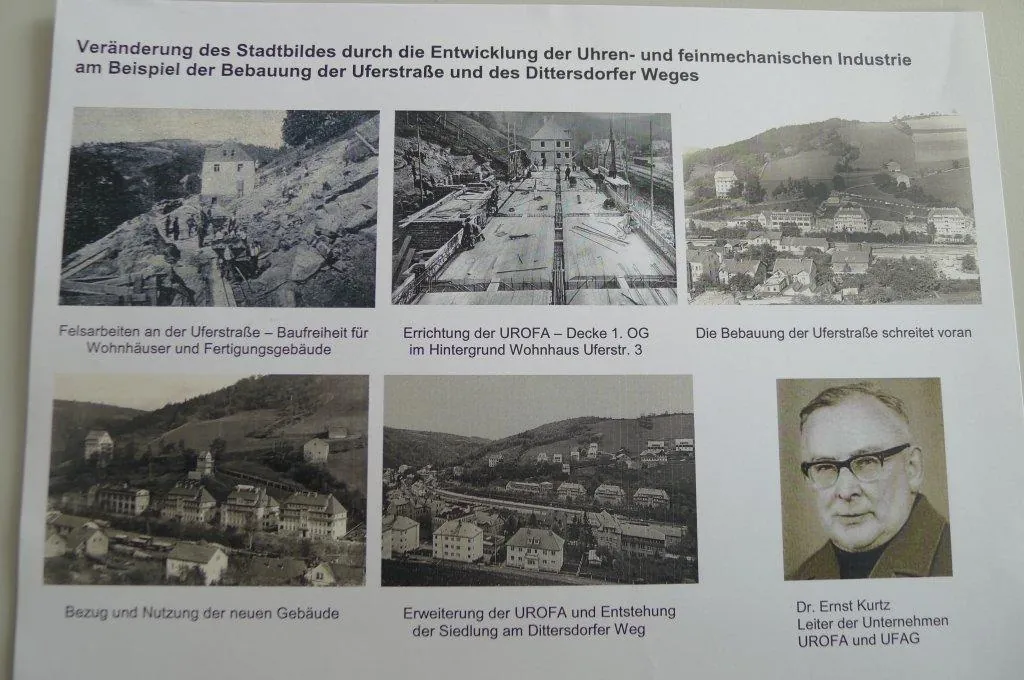
Ernst Kurtz was born on February 8, 1899, in Altona, near Hamburg. He earned a doctorate in law from Halle/Saale in 1924 and took a position at the Central Association of German Watchmakers. He was 25. His entry into watchmaking was administrative, not mechanical.
In 1926, the Giro-Zentrale Sachsen in Dresden sent the young lawyer to Glashütte. The market for fine pocket watches had collapsed during the war. Several firms had gone bankrupt. Kurtz was appointed managing director and sole shareholder of two newly founded companies: UROFA and UFAG. He was 27.
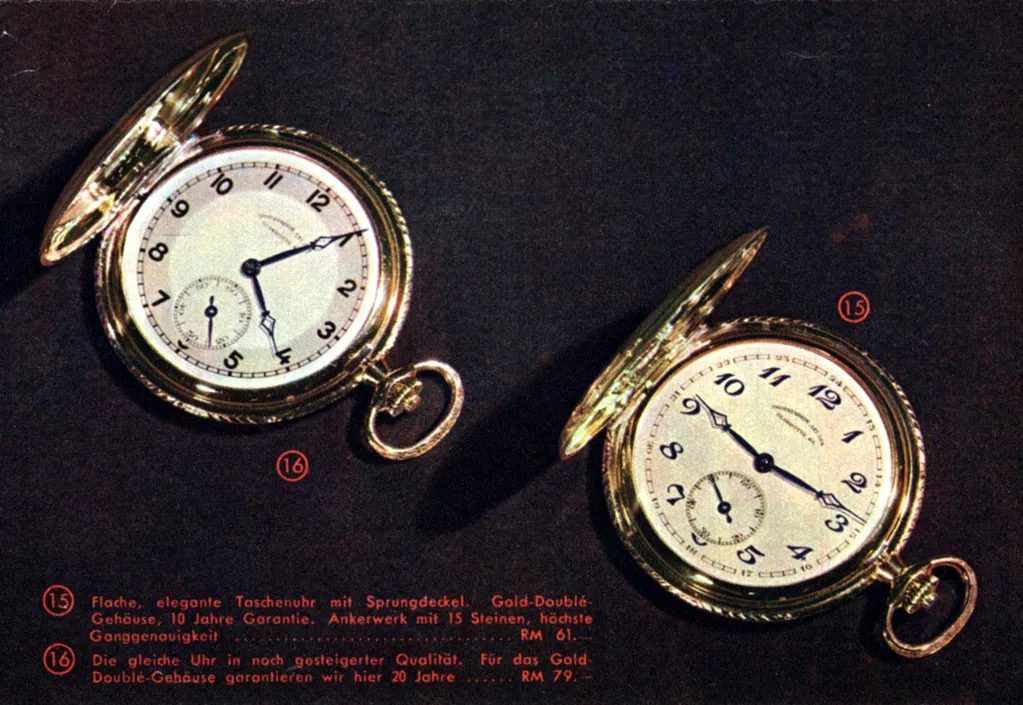
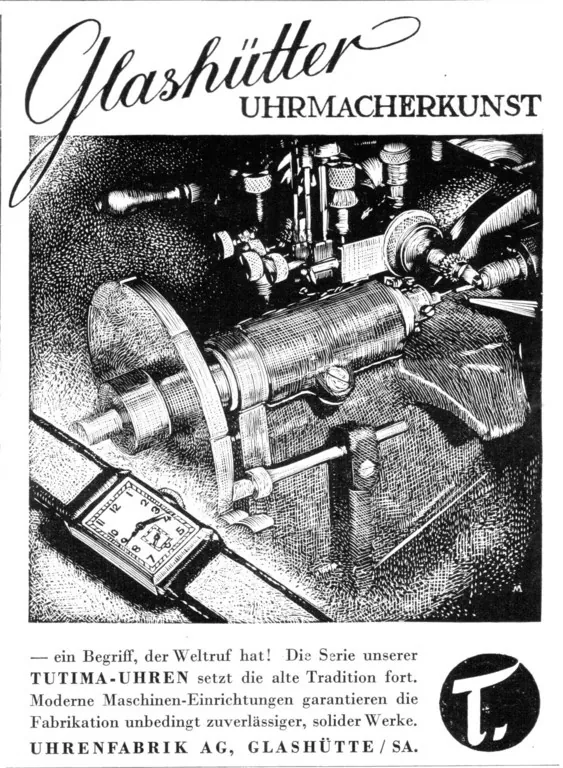
He registered the Tutima brand in 1927. The name came from the Latin tutissima — most secure, most protected. At a time when most people still carried pocket watches, the name was a promise: wristwatches were reliable. One contemporary account called it “Glashütte’s first and at that time finest wristwatch.”
Over the next decade, Kurtz transformed the town. He introduced machine production of wristwatches and personally developed twelve calibers. His UROFA-UFAG group employed 1,000 people — Glashütte’s largest employer. His factory supplied movements across the industry. Even A. Lange & Söhne, lacking wristwatch production capacity, was a customer.
His brother, Dipl.-Ing. Walter Kurtz, was a test pilot. The aviation DNA was not a brand strategy. It was family.
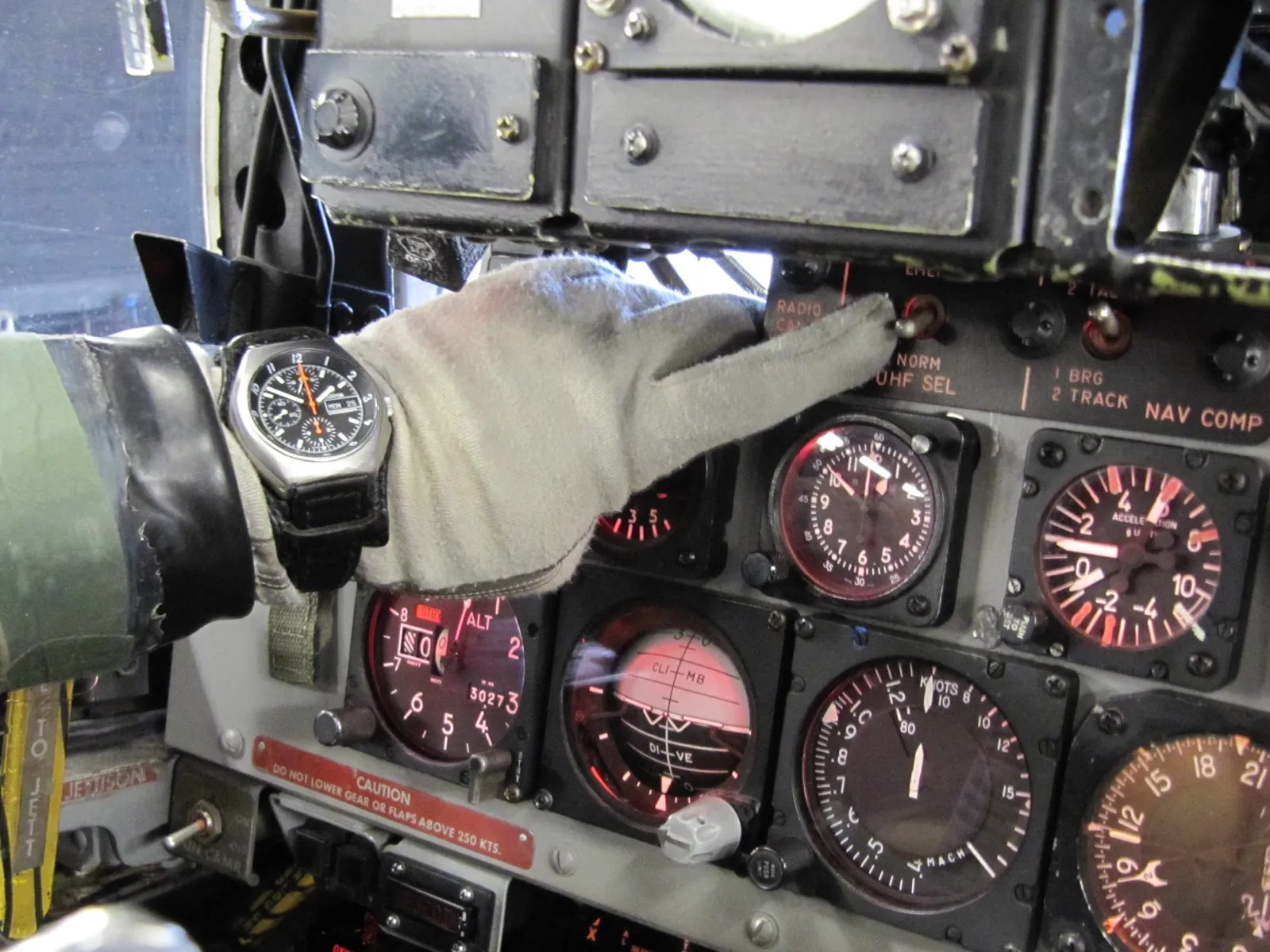
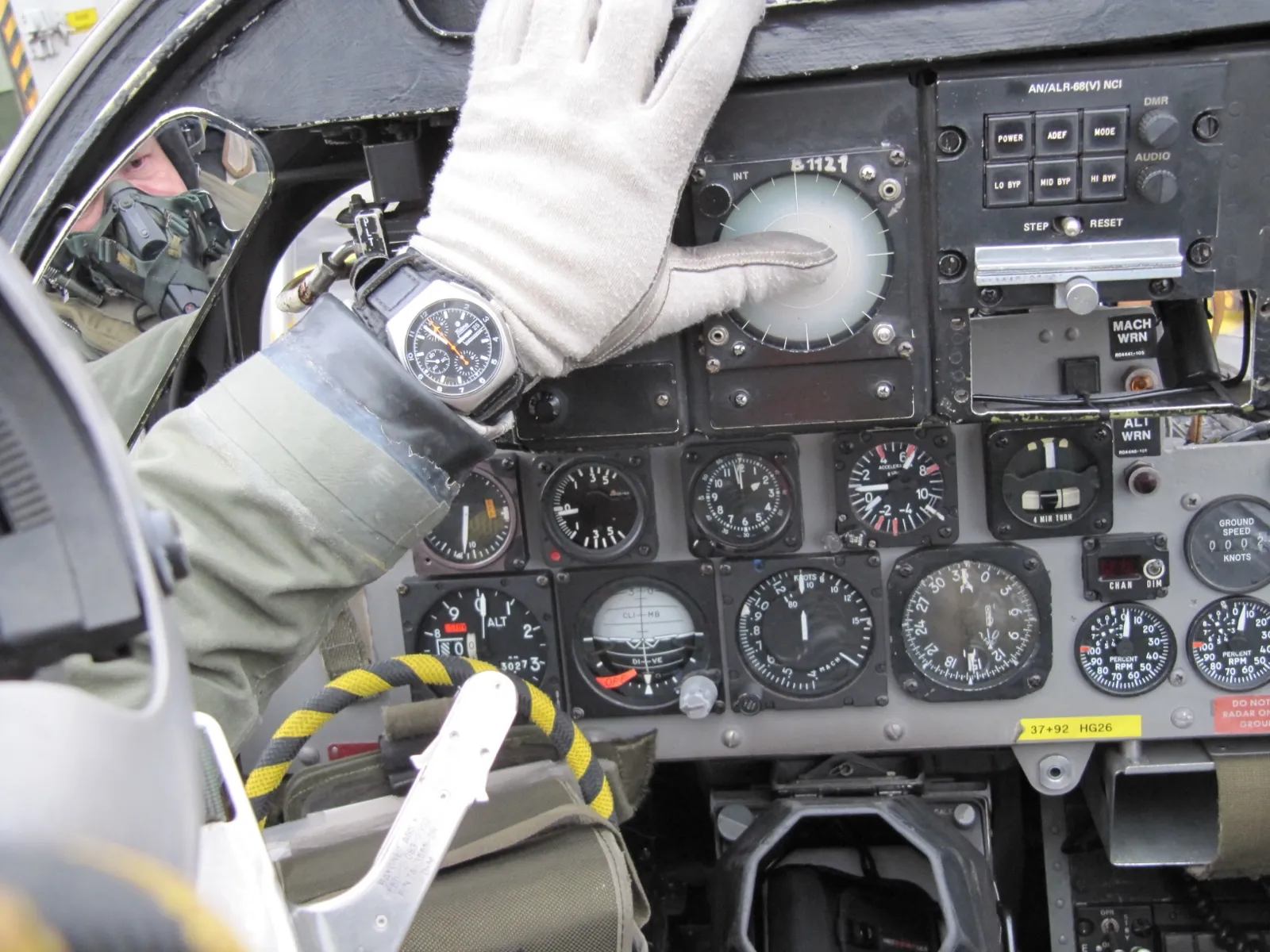
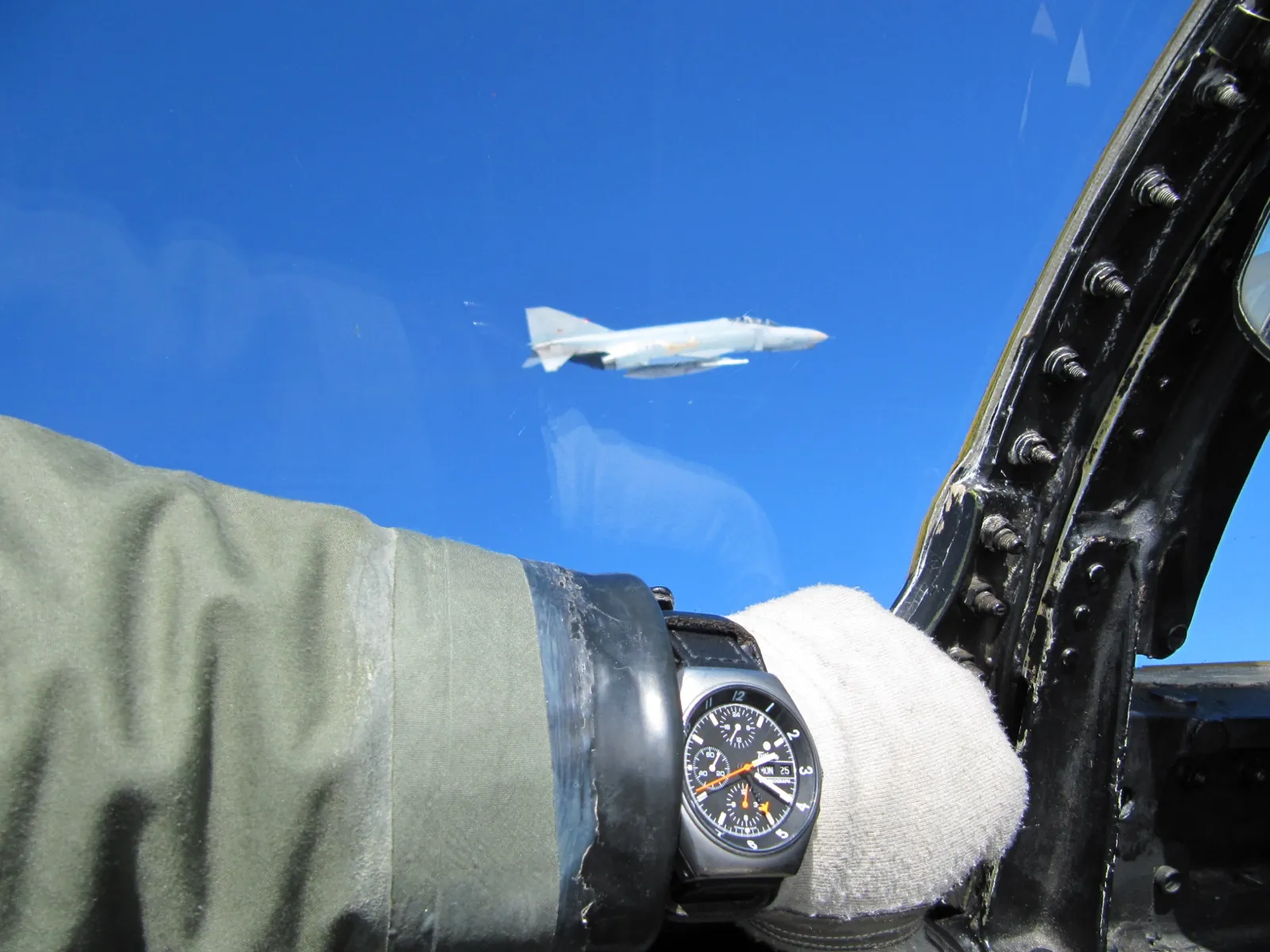
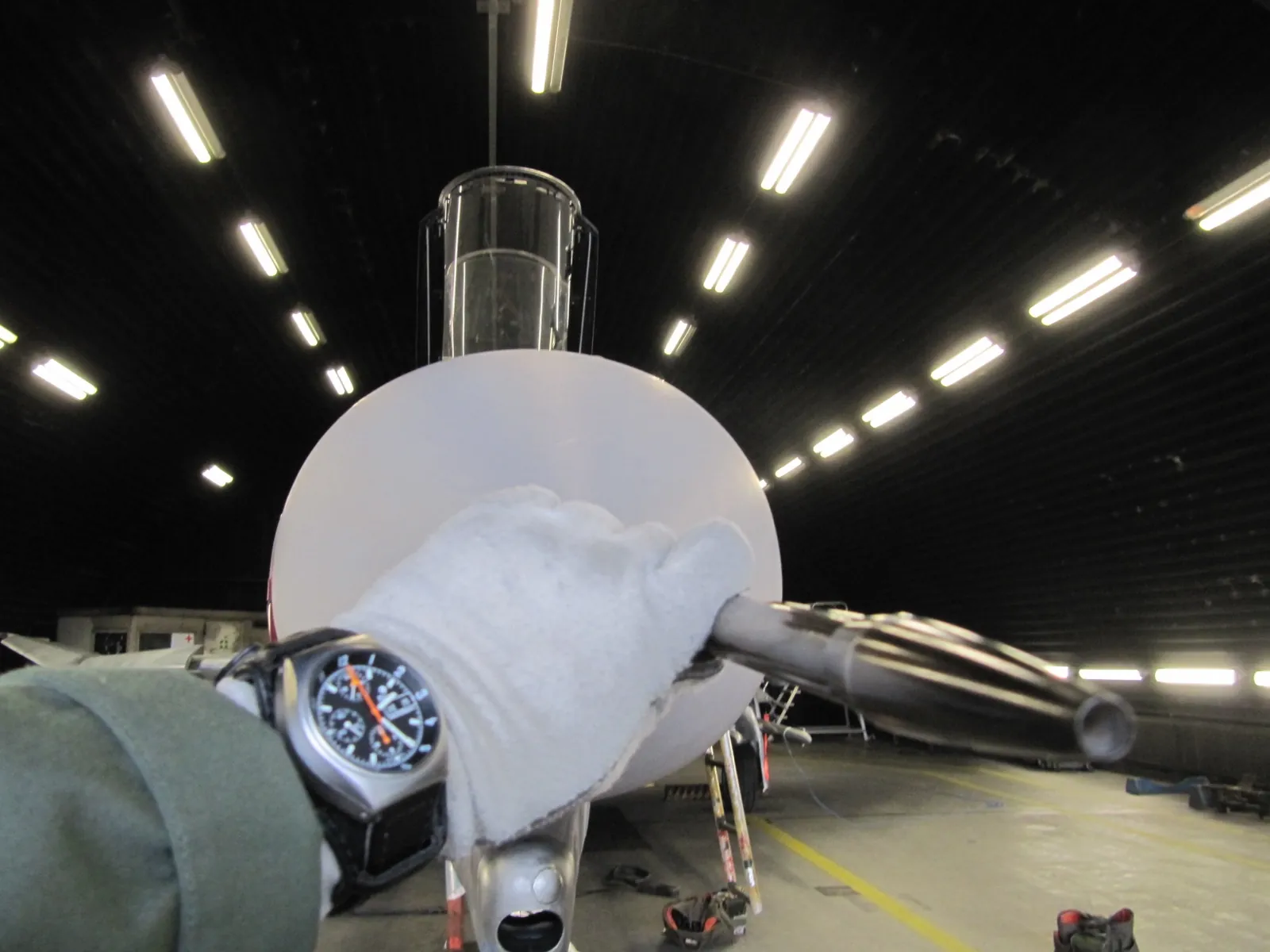
In 1941, Kurtz’s factory produced the Fliegerchronograph for the Luftwaffe — one of the first German chronograph wristwatches, powered by his Caliber 59. Around 30,000 were built between 1941 and 1945. The watch was strapped to the wrists of pilots who needed split-second timing at altitude. The company motto, printed on everything: In Tutima-Gemeinschaft — in Tutima community.

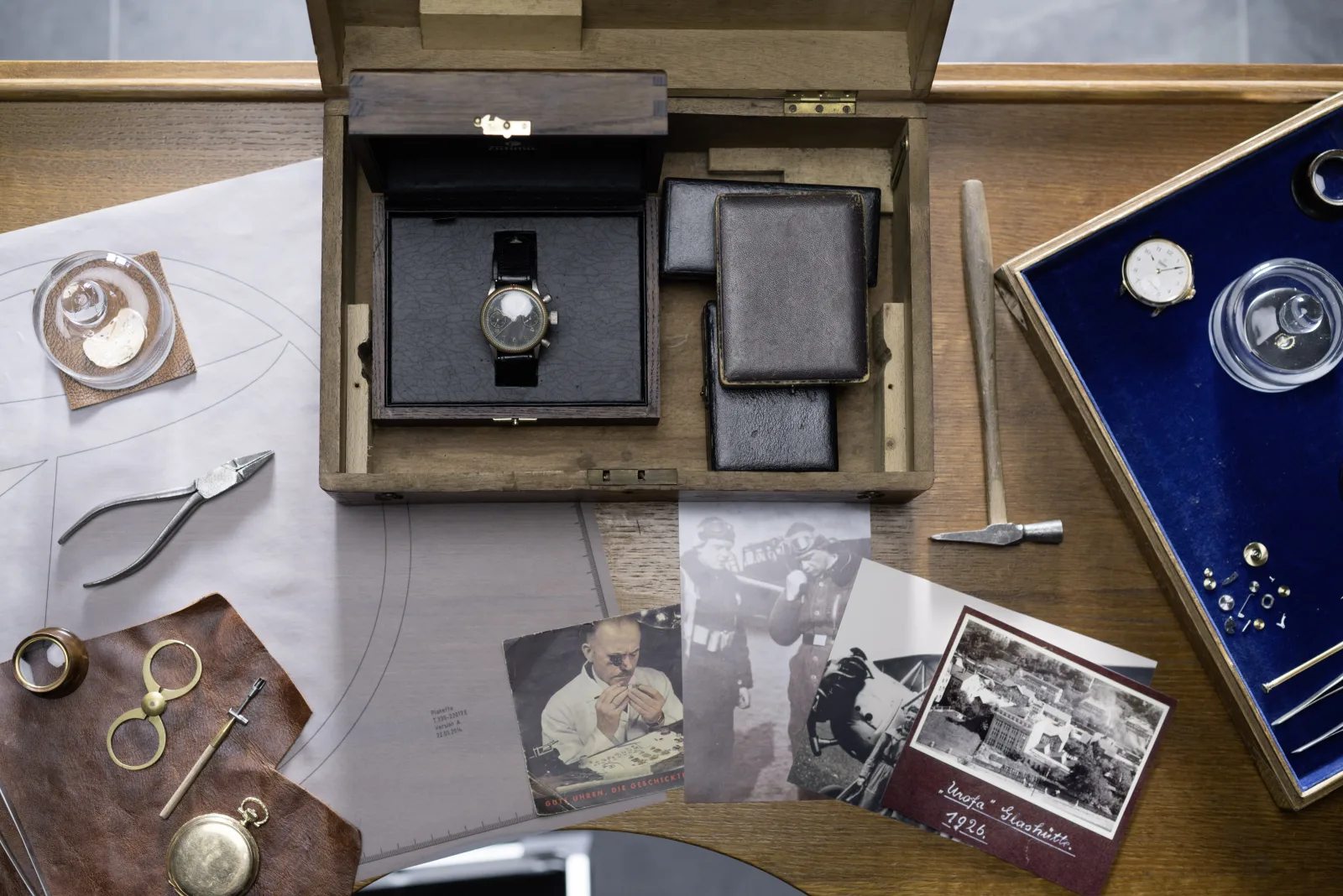
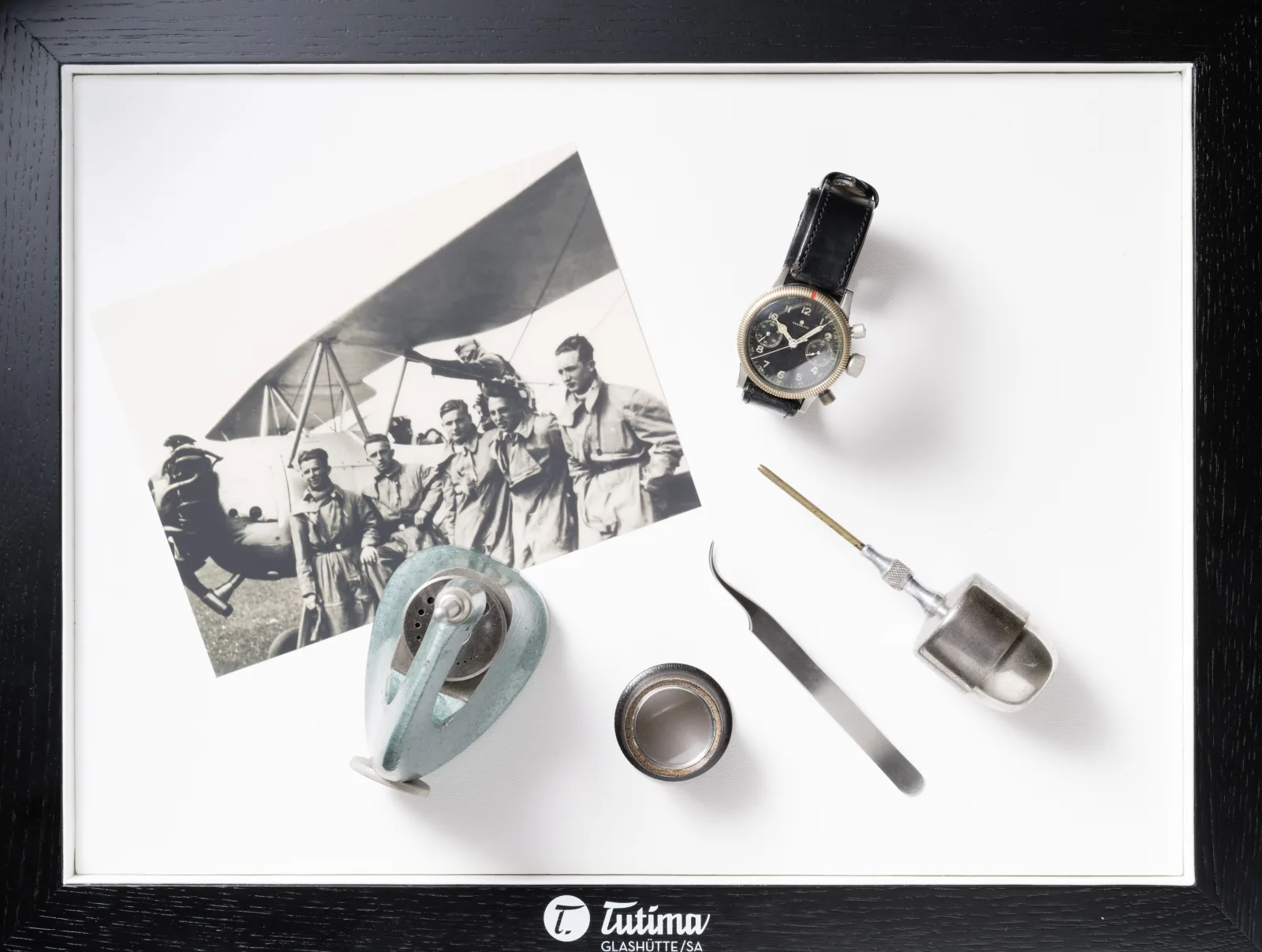
“In the 1930s, his UROFA-UFAG group employed 1,000 people in Glashütte.” — Dieter Delecate
Destruction & Exile
1945
On the 17th of April 1945, Allied bombs fell on Glashütte. Then the Soviets arrived and dismantled what remained — machinery, tools, raw materials, everything that could be shipped east. The watch industry that Kurtz had built over two decades was gone in weeks.
Kurtz fled to Bavaria. On April 25, 1945, he registered as a new resident in Memmelsdorf, Franconia. He opened a small factory, then in 1951 moved the operation to Ganderkesee, near Bremen. His watches carried the logo “KURTZ” with “GLASHÜTTER TRADITION” in italic beneath it. The Tutima name was gone.
In 1954, a 19-year-old in Ganderkesee heard that a local watch company was hiring. He went to the factory. Ernst Kurtz interviewed him personally and gave him the job.
The teenager was Dieter Delecate. Kurtz became his mentor. “He talked a lot about Glashütte,” Delecate remembers. “Even on the first day, he told me about Glashütte and his past.”
Delecate moved into sales and set up his own wholesale company in 1957. But times were hard. The center of West German watchmaking had shifted south to Pforzheim. Kurtz could not compete with mass production. His company went out of business in 1959.
Delecate moved quickly. In 1960, at age 25, he acquired the rights to the Tutima name. He hired several of Kurtz’s technical staff and founded Tutima Uhrenfabrik GmbH in Ganderkesee. Starting with about a dozen technicians, he relaunched the brand — first with ladies’ watches, then men’s. On April 7, 1970, he registered the trademark at the German Patent Office: No. 867903.
His salespeople thought he was making a mistake. “Why do you use this brand? People don’t know it.”
His answer: “We must use it. It’s a Glashütte brand. It has a foundation. It has a history.”
Over the following decades, Delecate built the company through the quartz revolution and shifting markets, sourcing cases from Hong Kong when Pforzheim suppliers refused to sell to a northern competitor.
He still has a private letter from Kurtz: “I consider Dieter Delecate my successor.”
Kurtz never married and had no children. He died on April 9, 1996, at age 97, in Ganderkesee — the same town where Delecate ran Tutima. He was alive when the 1994 Flieger replica was produced. He lived to see his creation reborn.
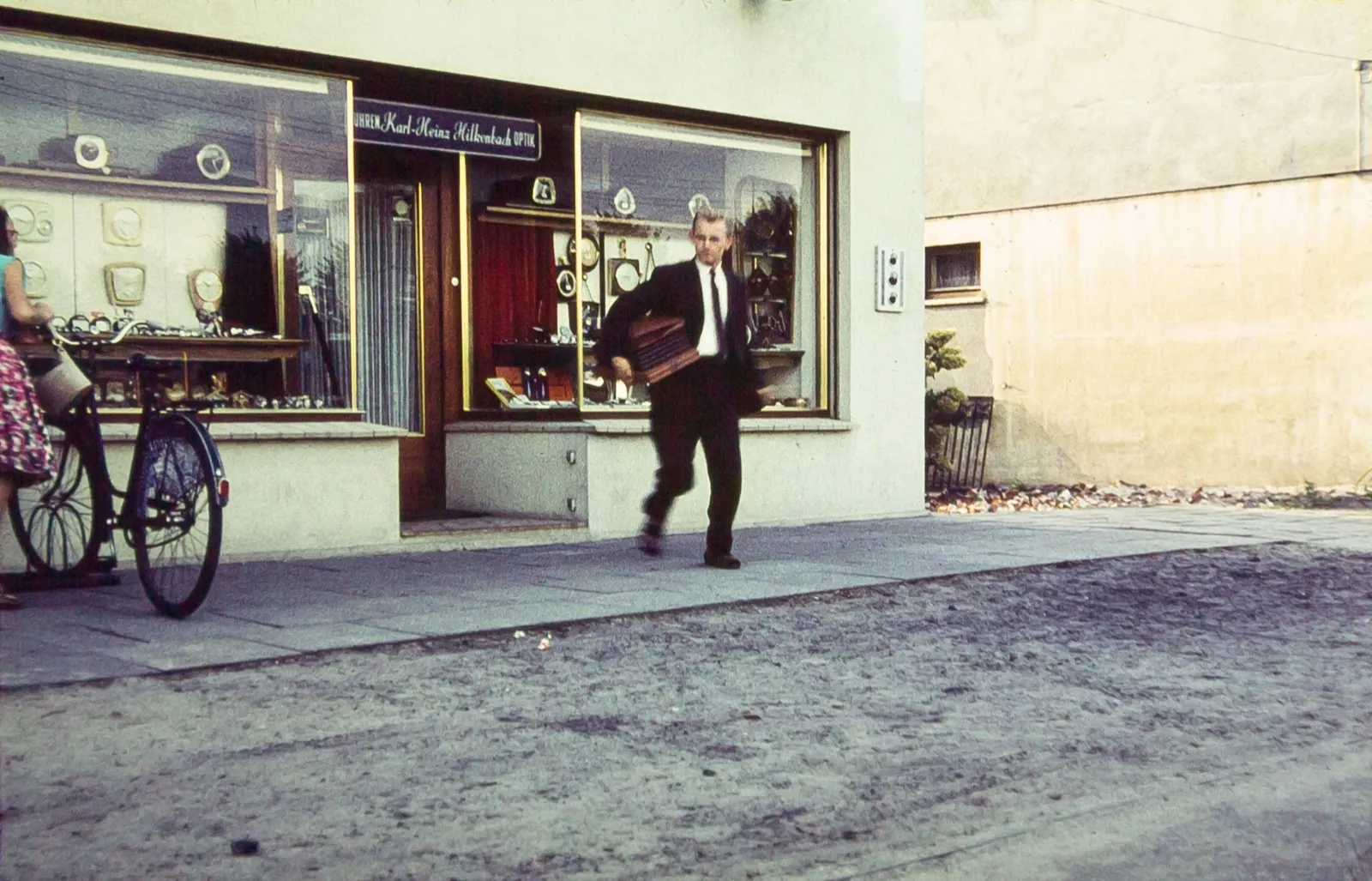
“We must use it. It’s a Glashütte brand. It has a foundation. It has a history.” — Dieter Delecate
The Return
1989
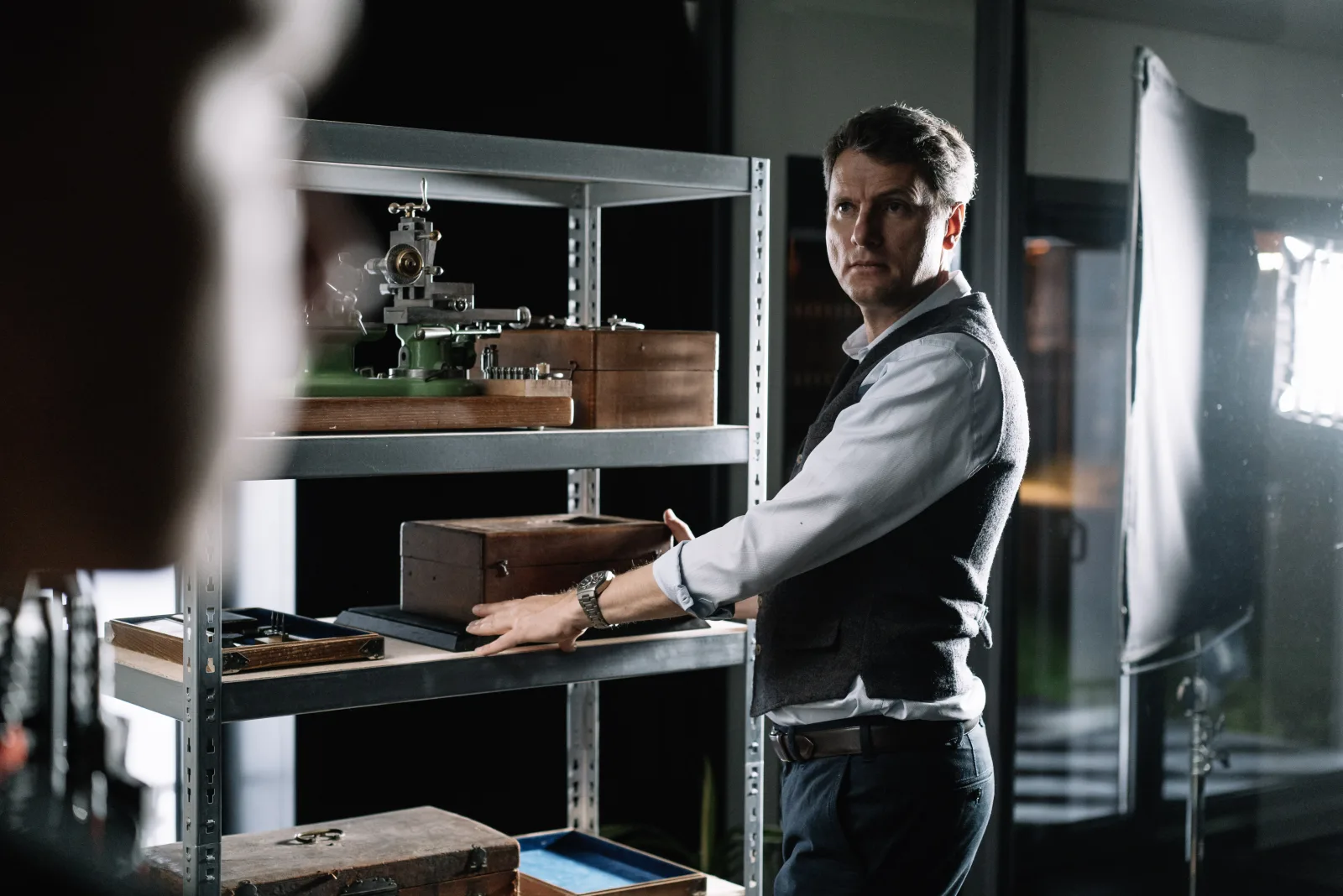
In 1984, the German Air Force solicited bids for a mechanical pilot chronograph. Mechanical — at a time when the industry had abandoned mechanical movements for quartz. Tutima won the contract. The NATO Chronograph, Ref. 798, used a Swiss Lemania Caliber 5100 and carried NATO stock number 6645-12-194-8642. It was flight tested at 1,500 meters and 15 kilometers altitude.
When Delecate offered it to the public in 1985, the market was indifferent. “Japanese quartz watches were exciting,” he says. “Mechanical chronographs were not very popular.” His salespeople called it impossible to sell. But Delecate wore it every day.
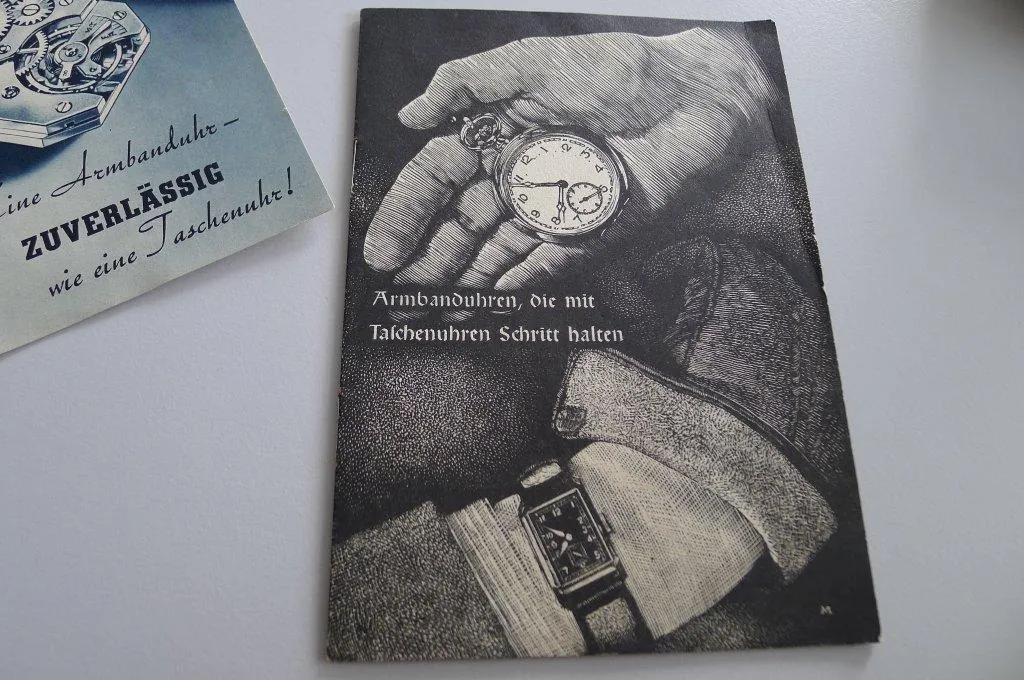
In 1989, Tutima produced a brochure showing the 1941 Fliegerchronograph alongside the modern NATO watch. The response surprised everyone. “People said, ‘What a nice watch. I would buy it immediately if you made this,’” Jörg recalls. A seed was planted.
Then the world changed. On November 9, 1989, the Berlin Wall fell. Within days, Dieter Delecate drove from Ganderkesee to Glashütte. “I had to go,” he said. “I was Mr. Tutima.”
Everything looked poor. The houses were unpainted. The locals were astonished by his Mercedes. But Delecate had not come to sightsee. He had come to see what was possible.
He met with the management of VEB Glashütter Uhrenbetriebe, the state combine that had absorbed all of Glashütte’s watch companies after the war. But it was too early. “I had my people in north Germany,” he says. “Here they had a company based on the communist model with 2,000 employees.”
Then came word that A. Lange & Söhne would be revived under Günter Blümlein. “I thought, ‘Oh my God, what should I do now?’” Delecate says. “They had big plans. I had to rethink.”
He did not give up. In 1994, he relaunched the Fliegerchronograph — a faithful reproduction of the 1941 original, using an ETA Caliber 7760. The response was immediate. Die Welt ran a lead story about the comeback of mechanical watches. The photograph was the Tutima Flieger.
Jörg became Geschäftsführer in 1998. “We always said that Tutima belongs to Glashütte,” he says. “That was clear. It has to come back.”
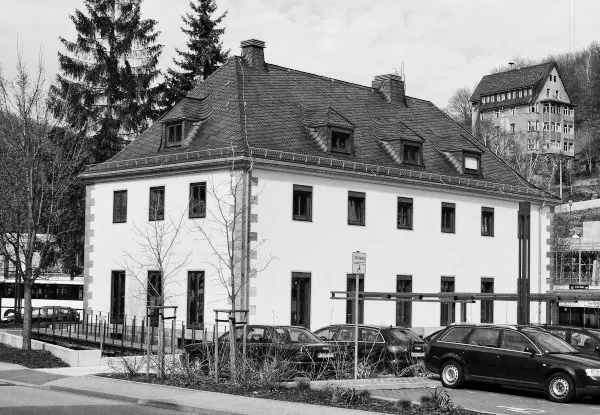
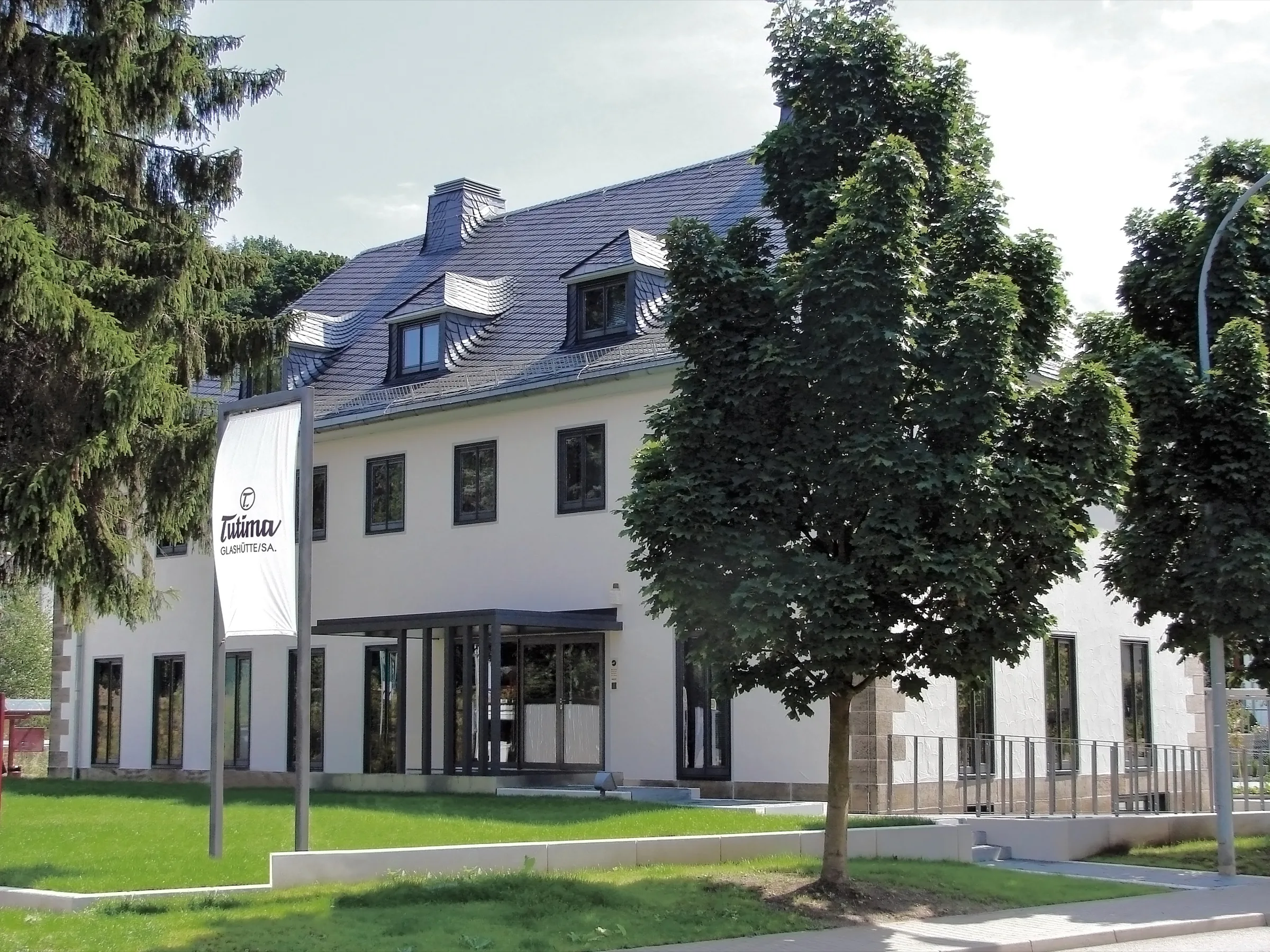
In 2005, a real estate agent drove the Delecates through town. They passed a building by the train station — a heritage-listed former railway building on Altenberger Straße 6. In the window: “I COULD BE YOURS.”
Delecate bought it. By March 1, 2008, production had begun. On May 12, 2011, Dieter Delecate cut the ribbon and inaugurated the manufactory — sixty-six years after the Soviets dismantled the original.
In his speech, he said: “This day has a special meaning for me. A day full of past, present and future.”
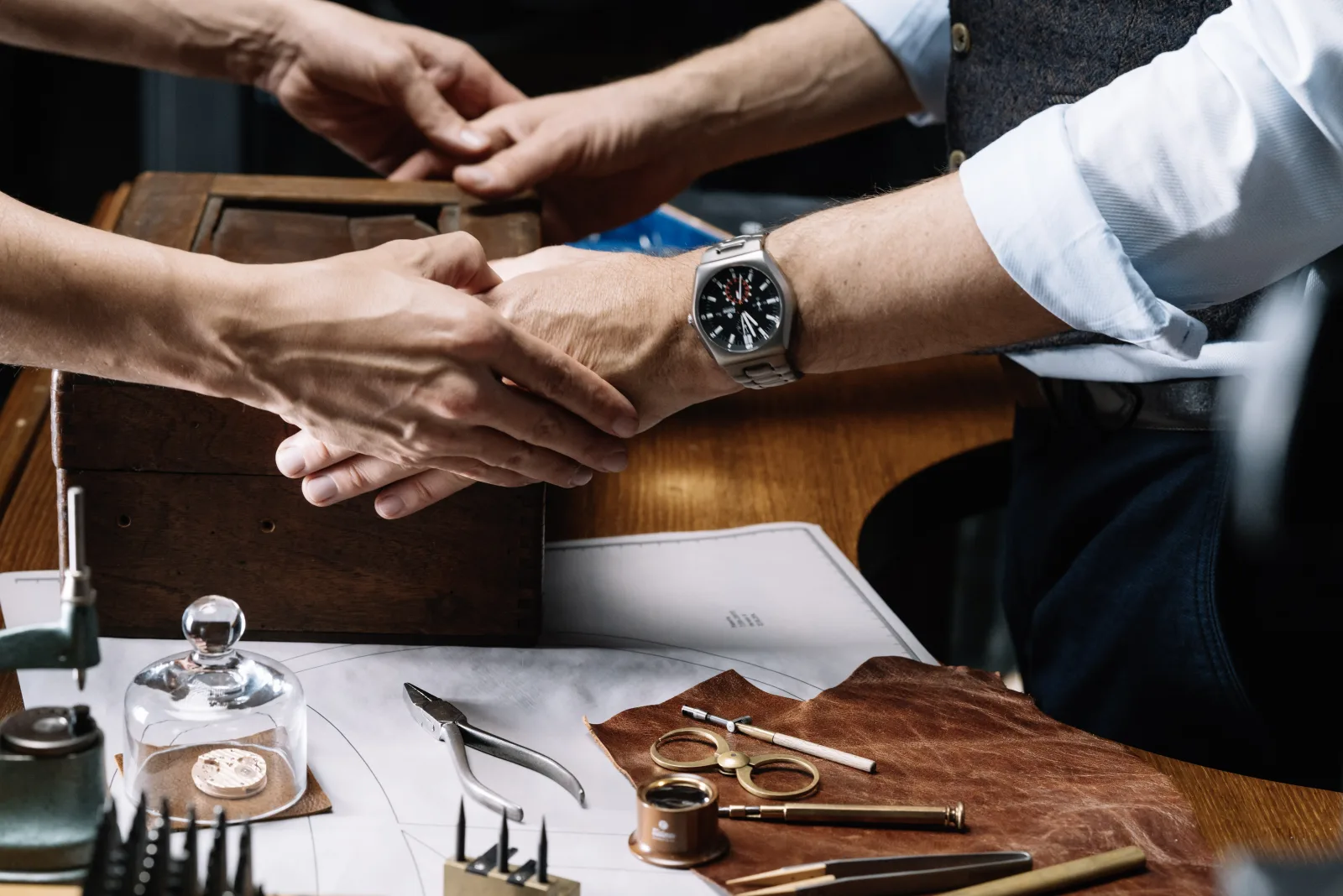
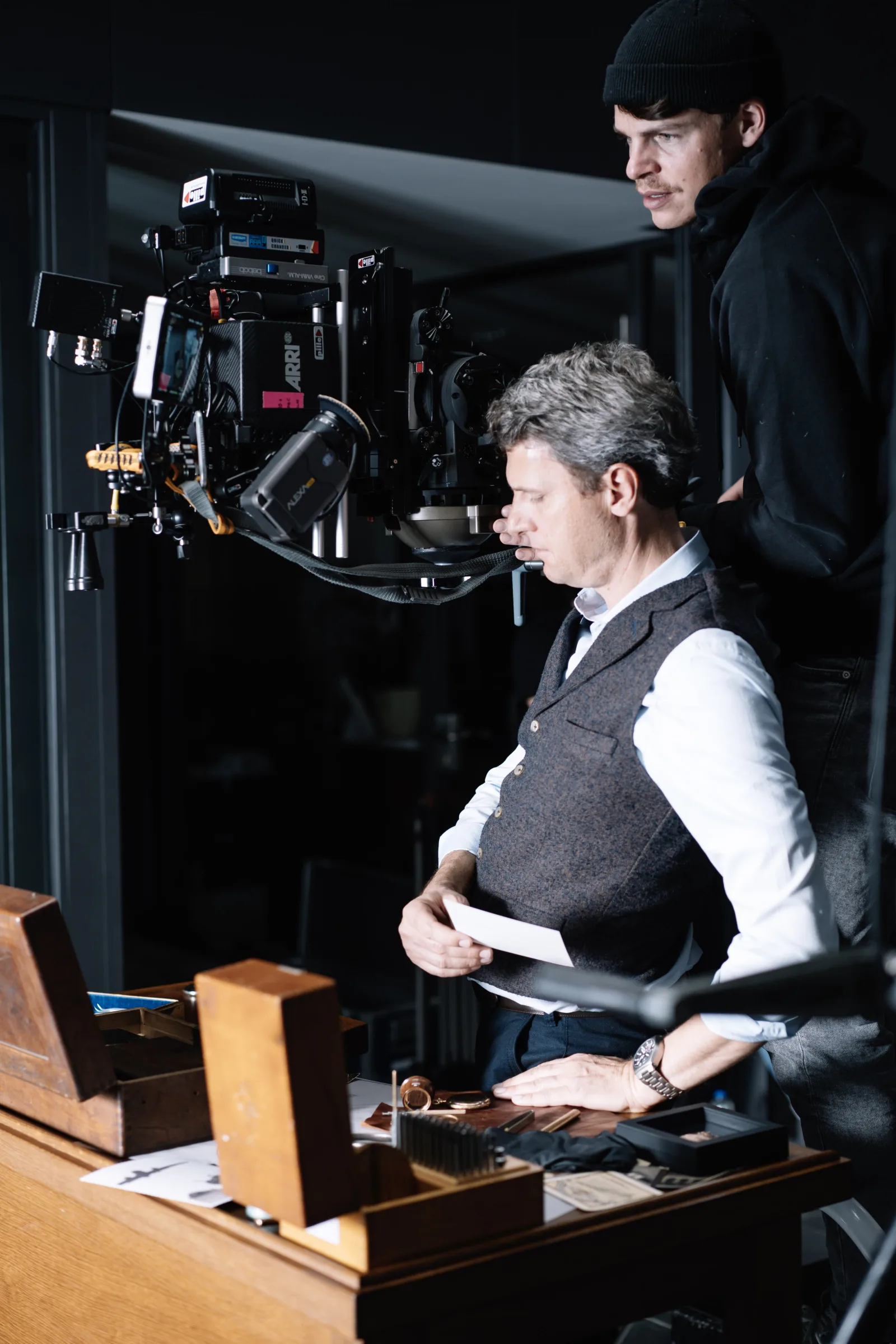
“My father drove to Glashütte the day the Wall fell. He knew what he wanted to bring back.” — Jörg Delecate
Home
Today

Delecate did not start small. The first project in the new manufactory was the most ambitious: a minute repeater. Caliber 800 — over 550 components, hand-wound, with sound developed in collaboration with the Institut für Musikinstrumentenbau at TU Dresden. Twenty-five pieces total: twenty in rose gold, five in platinum. He unveiled it on May 12, 2011 — the same day the manufactory opened. The most difficult watch Tutima could build would be the first one completed in Glashütte.
The Hommage is the first minute repeater ever developed in-house in Germany for a wristwatch. The Hommage won the Couture Time Award in 2013 for outstanding fine mechanics.
Caliber 617 is the base hand-wound architecture — 171 parts, Breguet overcoil made in-house, regulated in six positions where the standard is five. The Hommage’s Cal. 800 builds on this platform by adding the minute repeater complication. The Patria followed as the three-hand expression of the same in-house movement — Tutima’s dress watch. Hairsprings come from Karl Haas in Schramberg, Germany — not Swiss suppliers.
Caliber 521 followed: an automatic chronograph module with a patented central minute hand driven from the dial center rather than a subdial. It powers the Saxon One and the M2 — the titanium successor to the NATO Chronograph, now with mu-metal magnetic shielding.
In 2018, Tutima became the first watchmaker to receive Germany’s “Manufacture of the Year” award.
Today, a small team works in Glashütte. The company is based in both Glashütte and Ganderkesee. Products reach more than 25 countries. Jörg has been Geschäftsführer since 1998. Ute directs PR and marketing. They are co-owners — carrying forward what their father rebuilt.
A new building is under construction in Glashütte, consolidating two current locations, expanding capacity. Target completion: 2027 — the centennial. Demand exceeds supply.
Independent. Family-owned. Still in Glashütte. One of several.
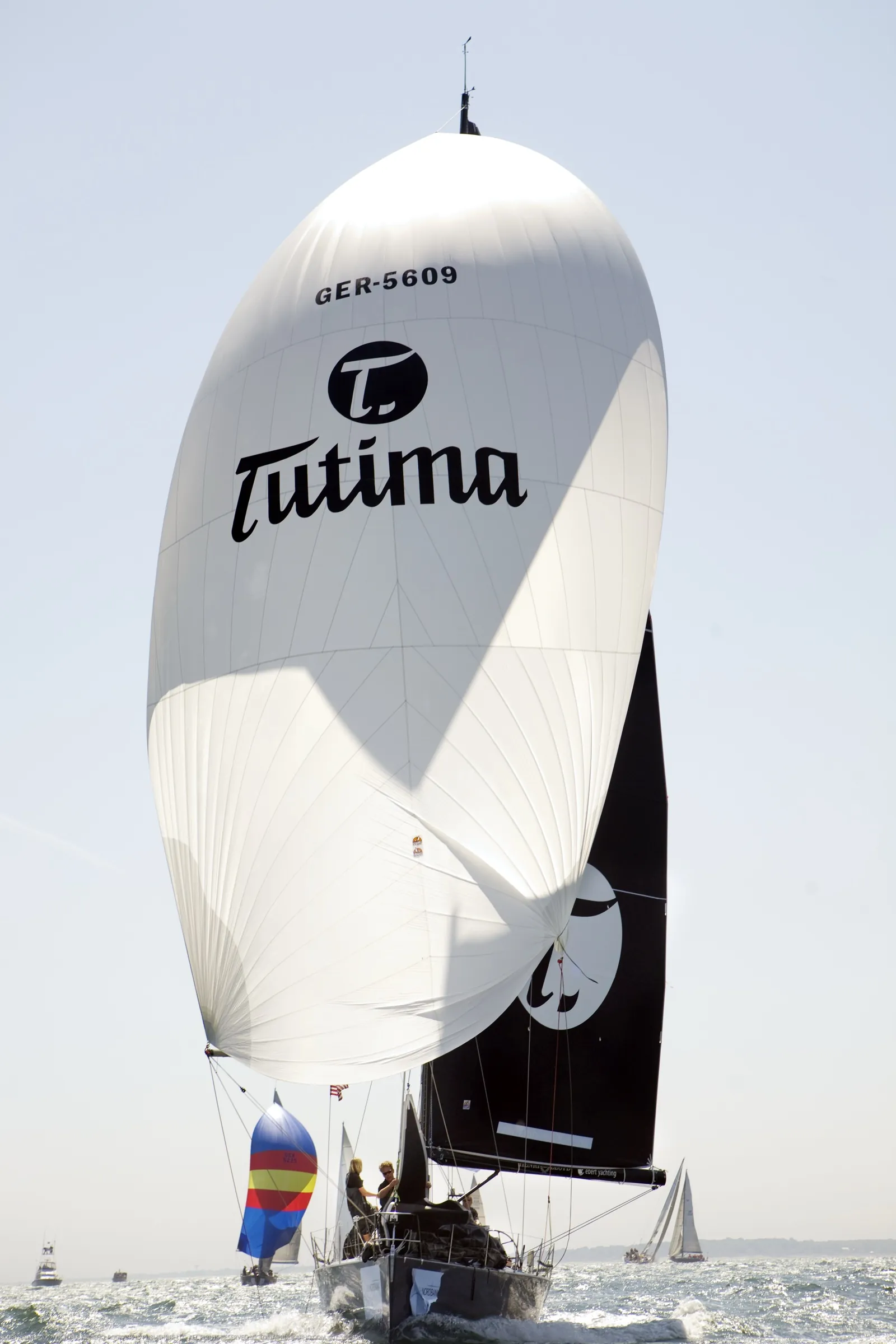
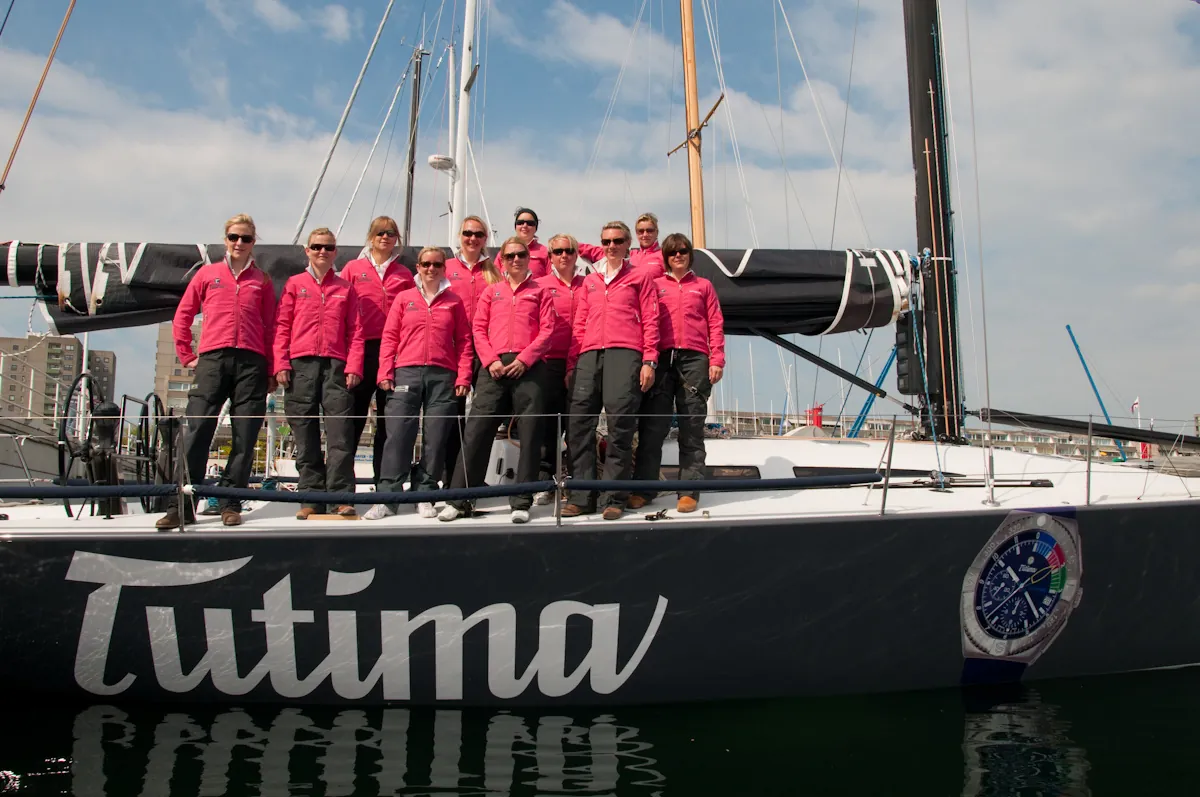
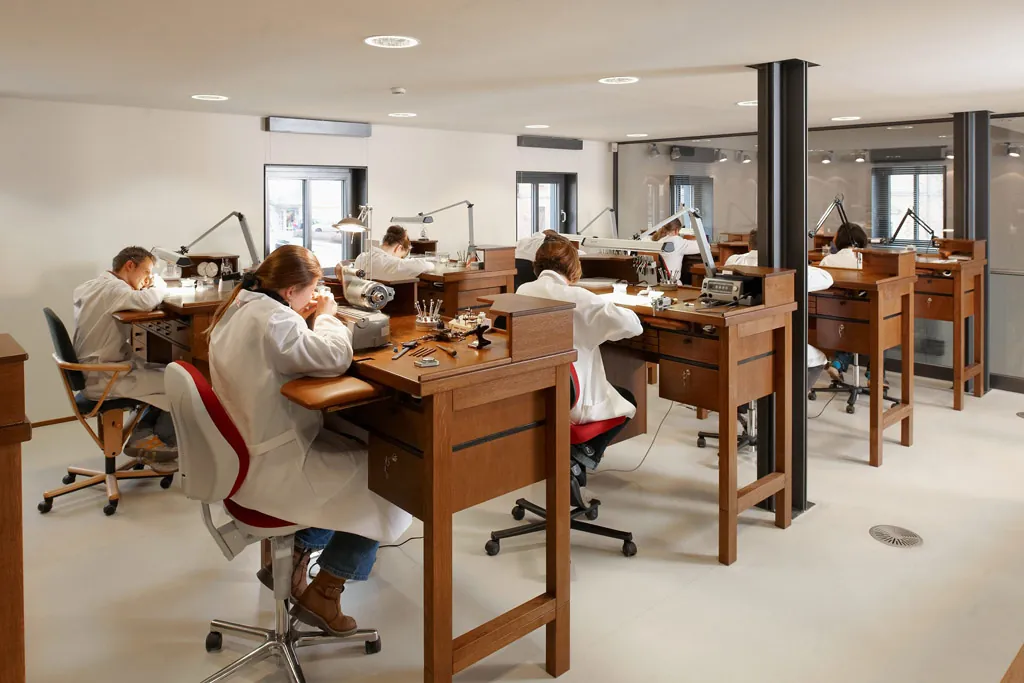
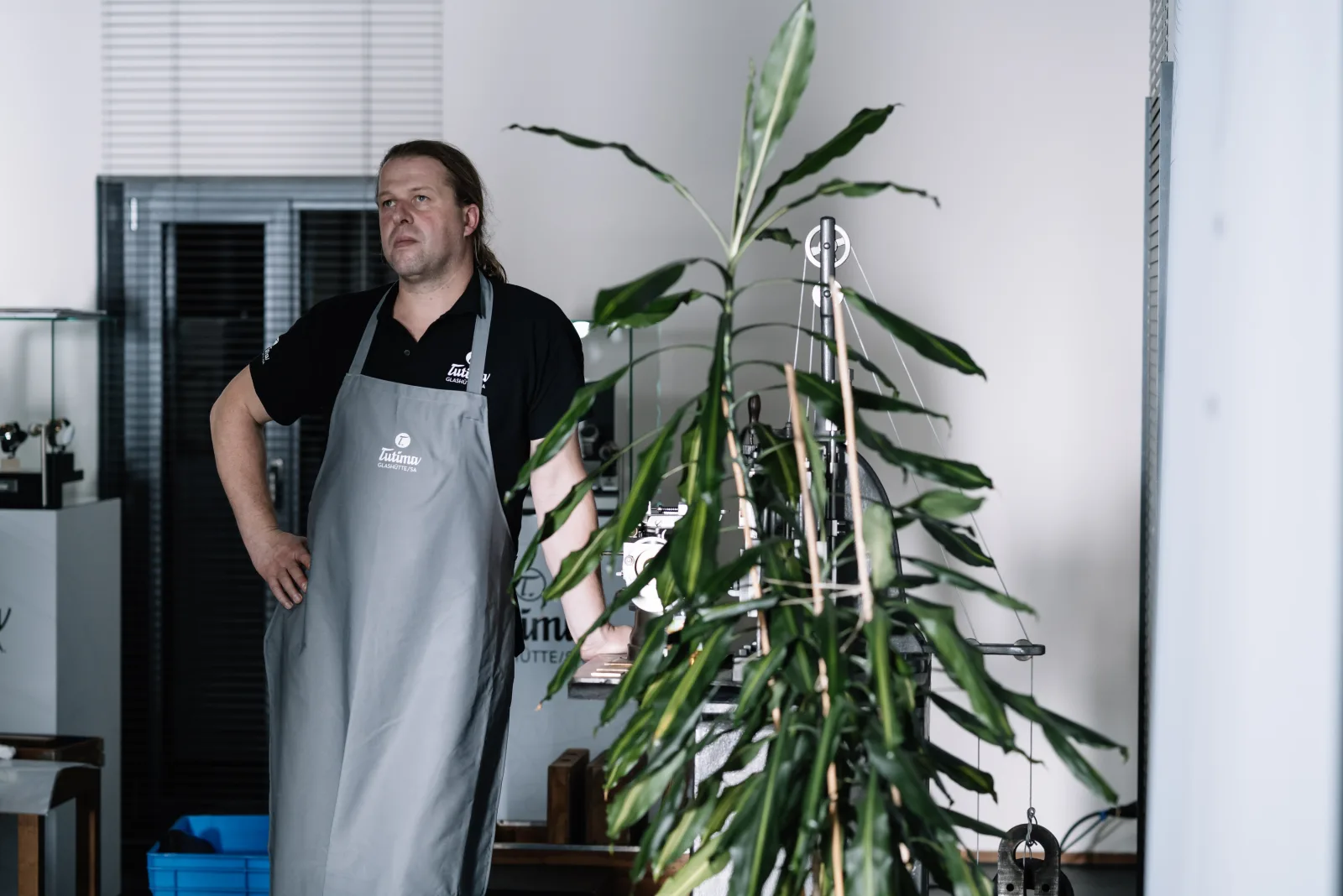
“The high-end products provide a halo effect for our regular watches. It shows what we are capable of.” — Ute Delecate
Newsletter
Occasional updates from Glashütte.
Thank you. You’ll hear from us.
Made for those who do. Since 1927.
Explore the Collection