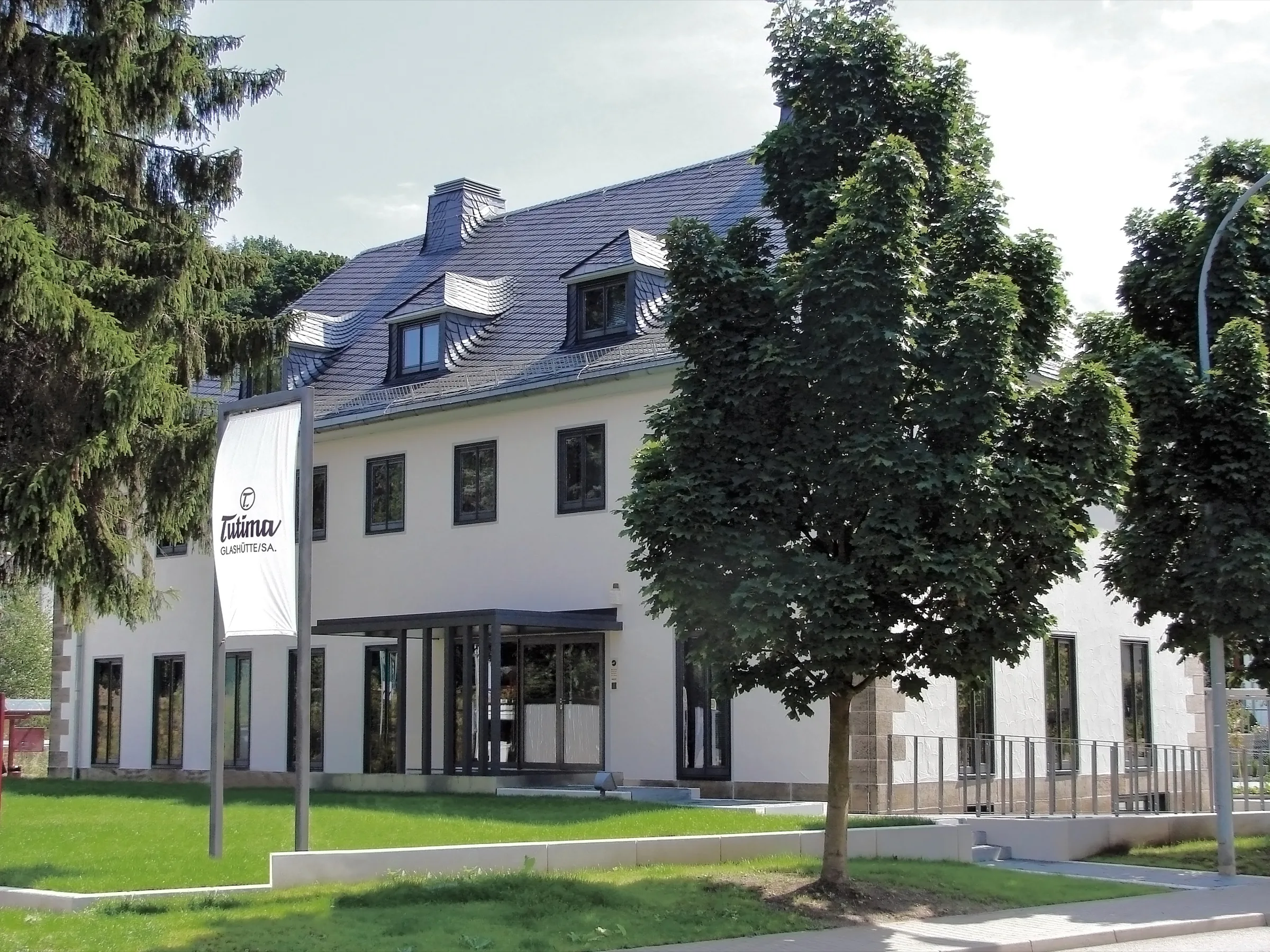
Manufacture Tutima Glashütte
Where every component earns its place.
Why Glashütte
Glashütte has been Germany’s watchmaking capital since Ferdinand Adolph Lange established the craft here in 1845. The designation carries legal force — a significant proportion of value creation must occur in this town for a watch to bear its name.
Several independent manufactures operate in Glashütte today. Tutima is one of them. Each builds watches differently. What they share is the place and what it demands.
Tutima’s manufactory stands on Altenberger Straße 6 — a heritage-listed former railway building that the Delecate family purchased in 2005. Production began on March 1, 2008. The formal inauguration came on May 12, 2011, when Dieter Delecate unveiled the Hommage minute repeater and declared the return complete.
The decision to build in Glashütte was not inevitable. Contract manufacturing elsewhere would have been cheaper and simpler. The family chose otherwise. “We always said that Tutima belongs to Glashütte,” Jörg Delecate says. “That was clear. It has to come back.”
The Workshop
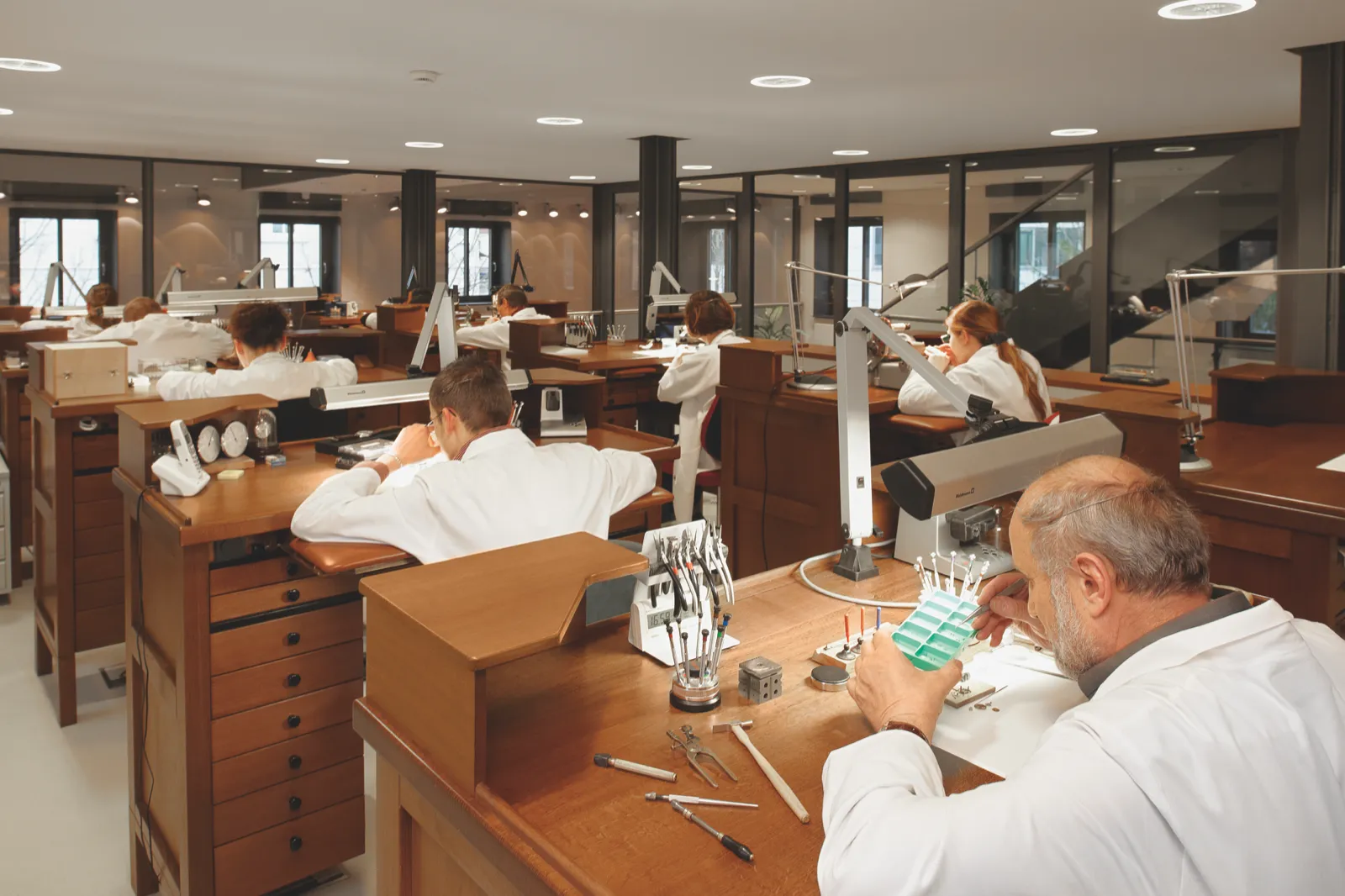
The workshop operates as a vertical building. Components begin as raw material in the basement and leave as finished watches from the upper floors.
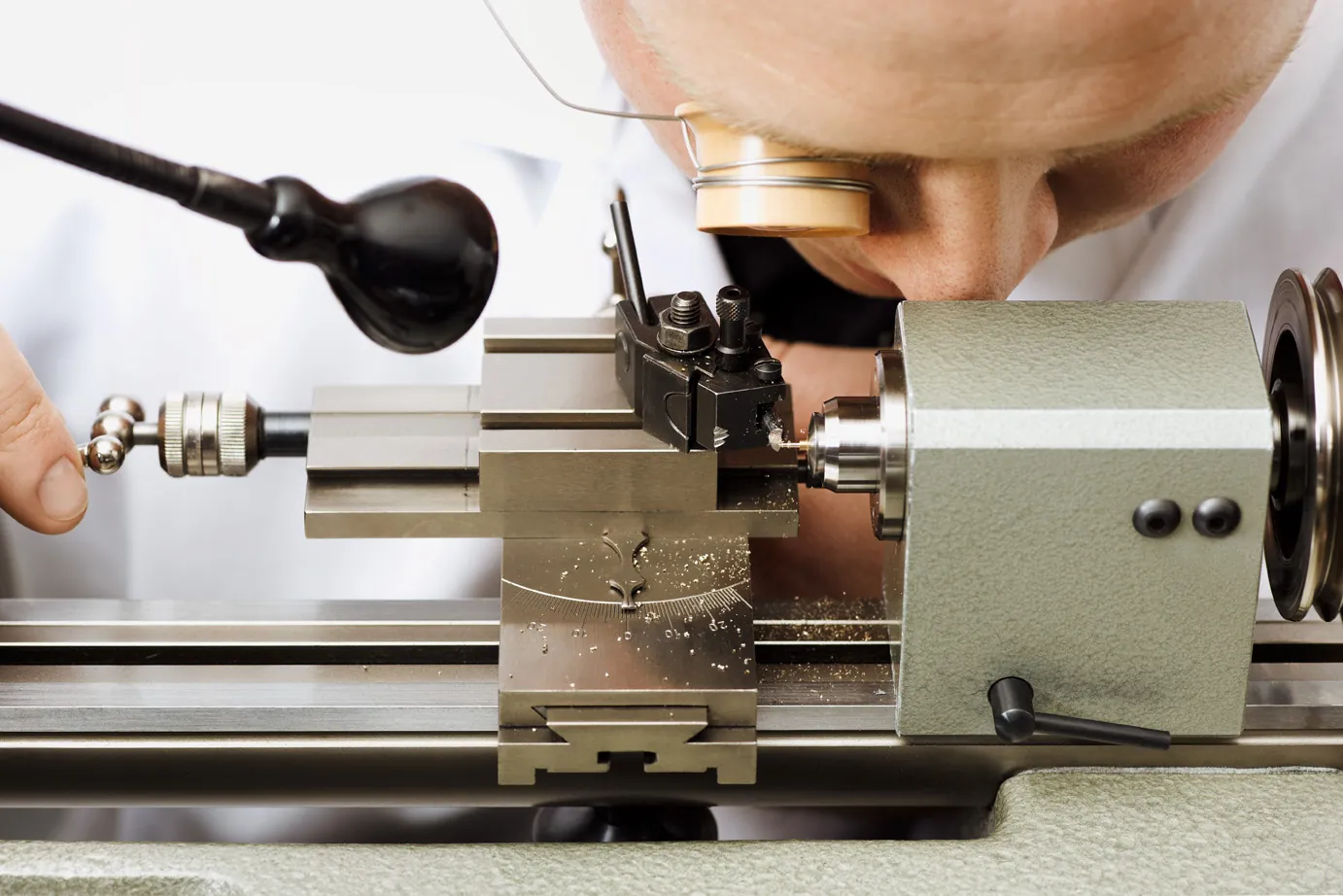
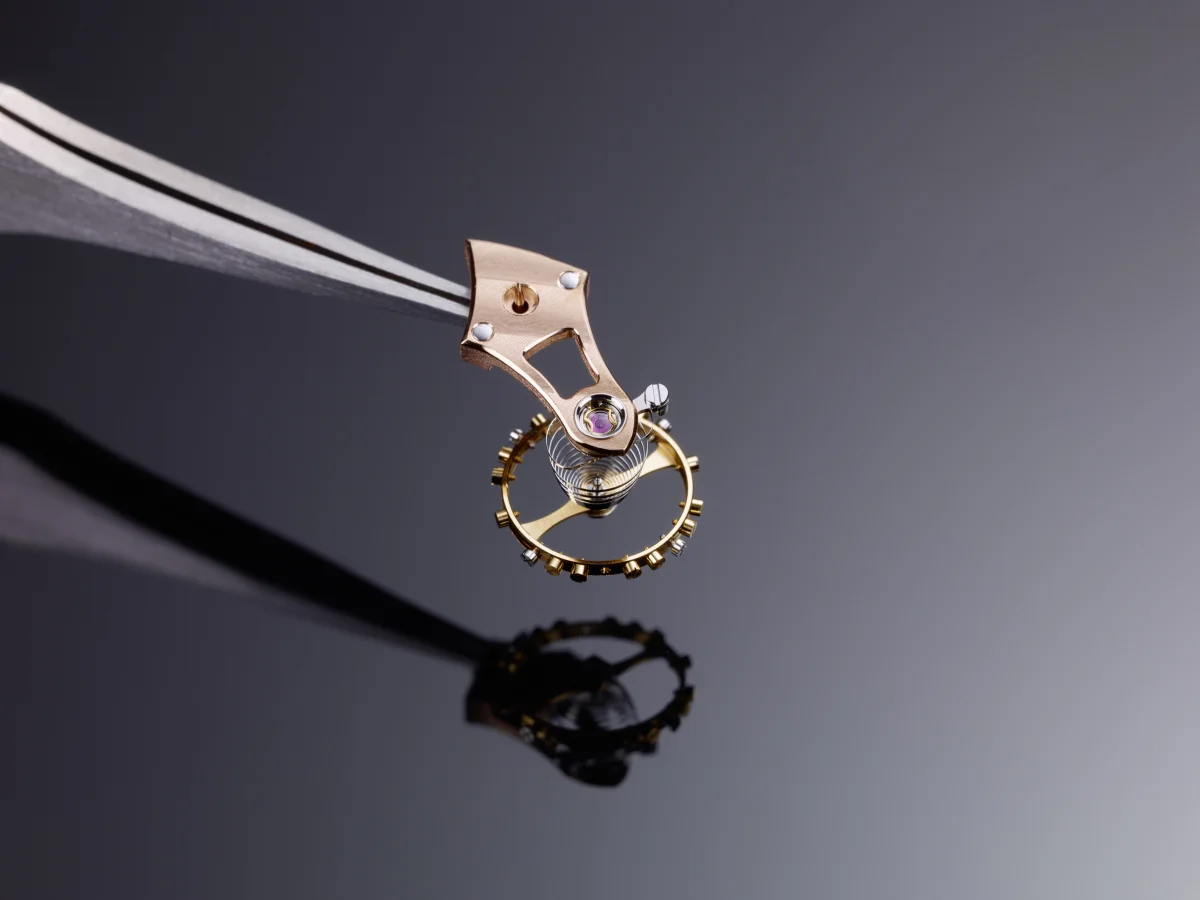
At the INHORGENTA 2025 trade fair, watchmaker Herr Kuge sat at a bench in front of a crowd and bent a Breguet overcoil by hand under a loupe. The overcoil is the curved terminal coil of the hairspring — the part that determines whether a watch keeps consistent time. It is typically purchased as a finished component. Tutima forms them in-house from German wire. It is the kind of work that looks simple and takes years to learn.
That is the manufactory in miniature: one person, one task, no shortcuts.
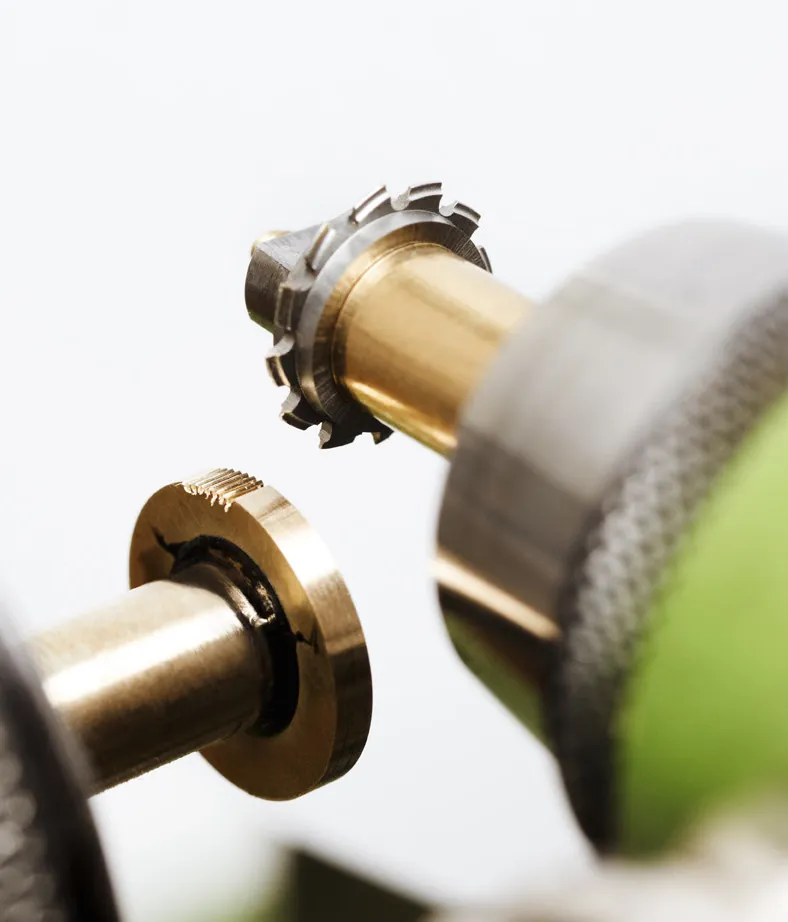
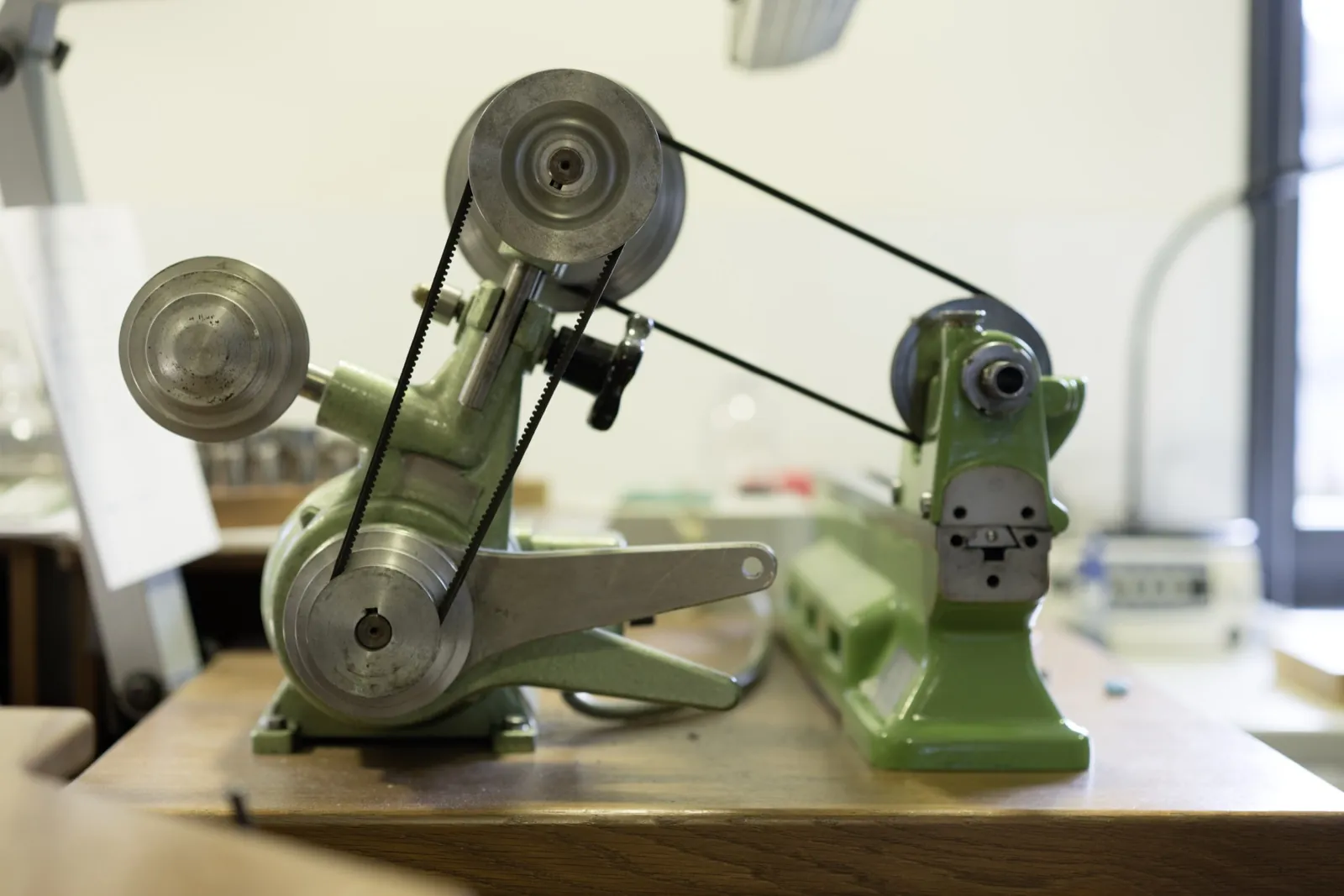
CNC Machining
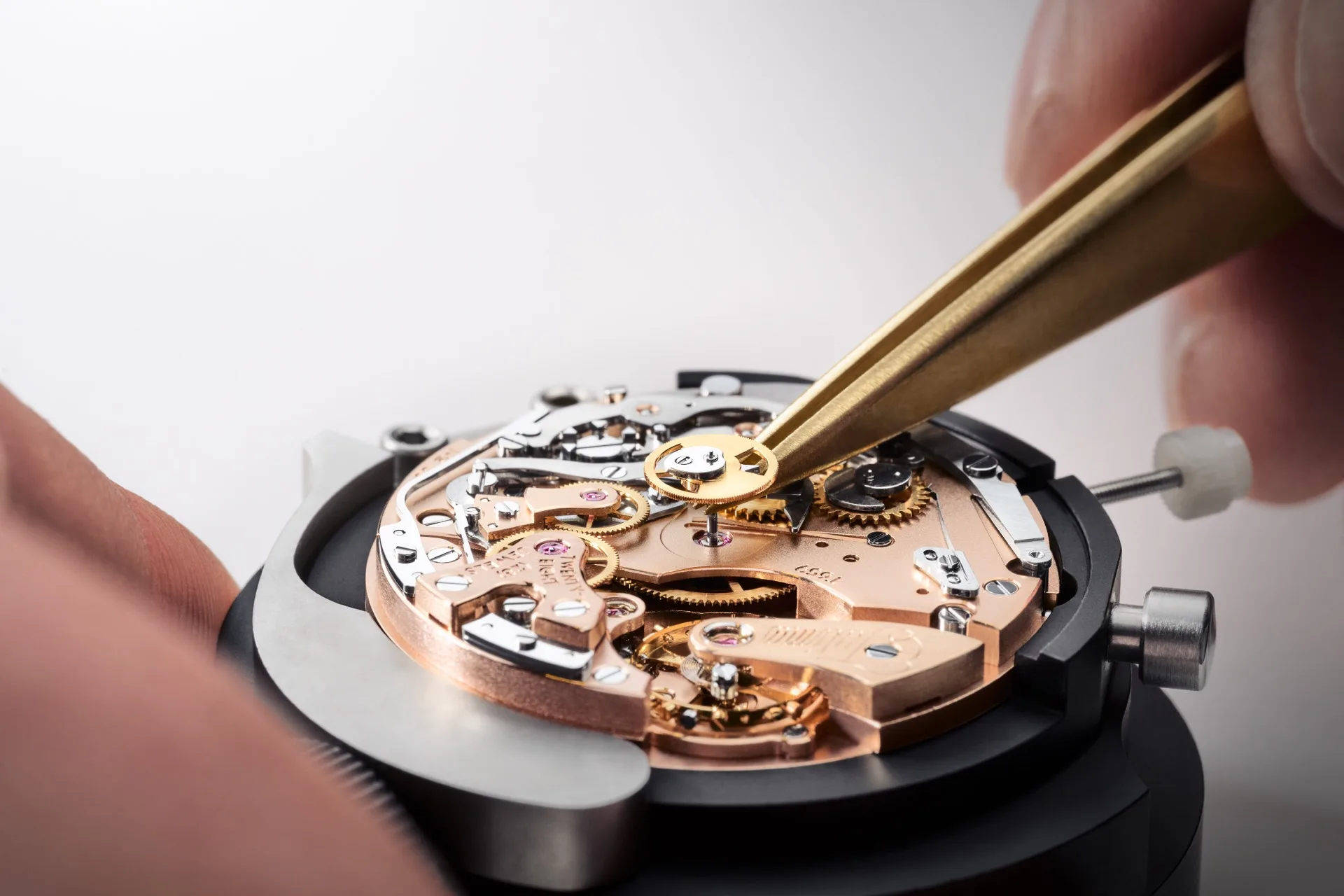
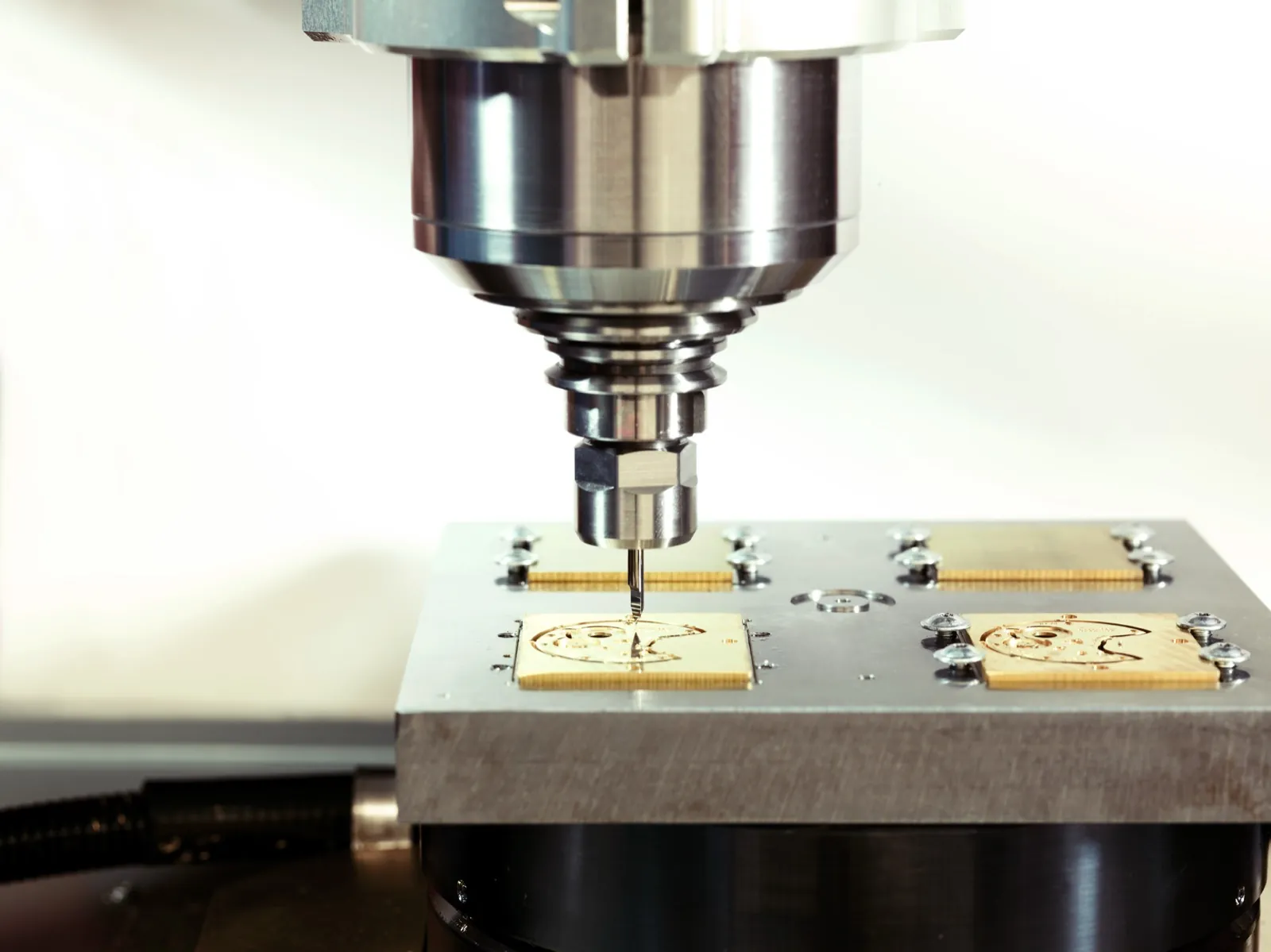
A 5-axis CNC machine cuts movement components from brass and steel blanks. The new building under construction — target completion 2027 — will add laser cutting, electrical discharge machining, and surface treatment.
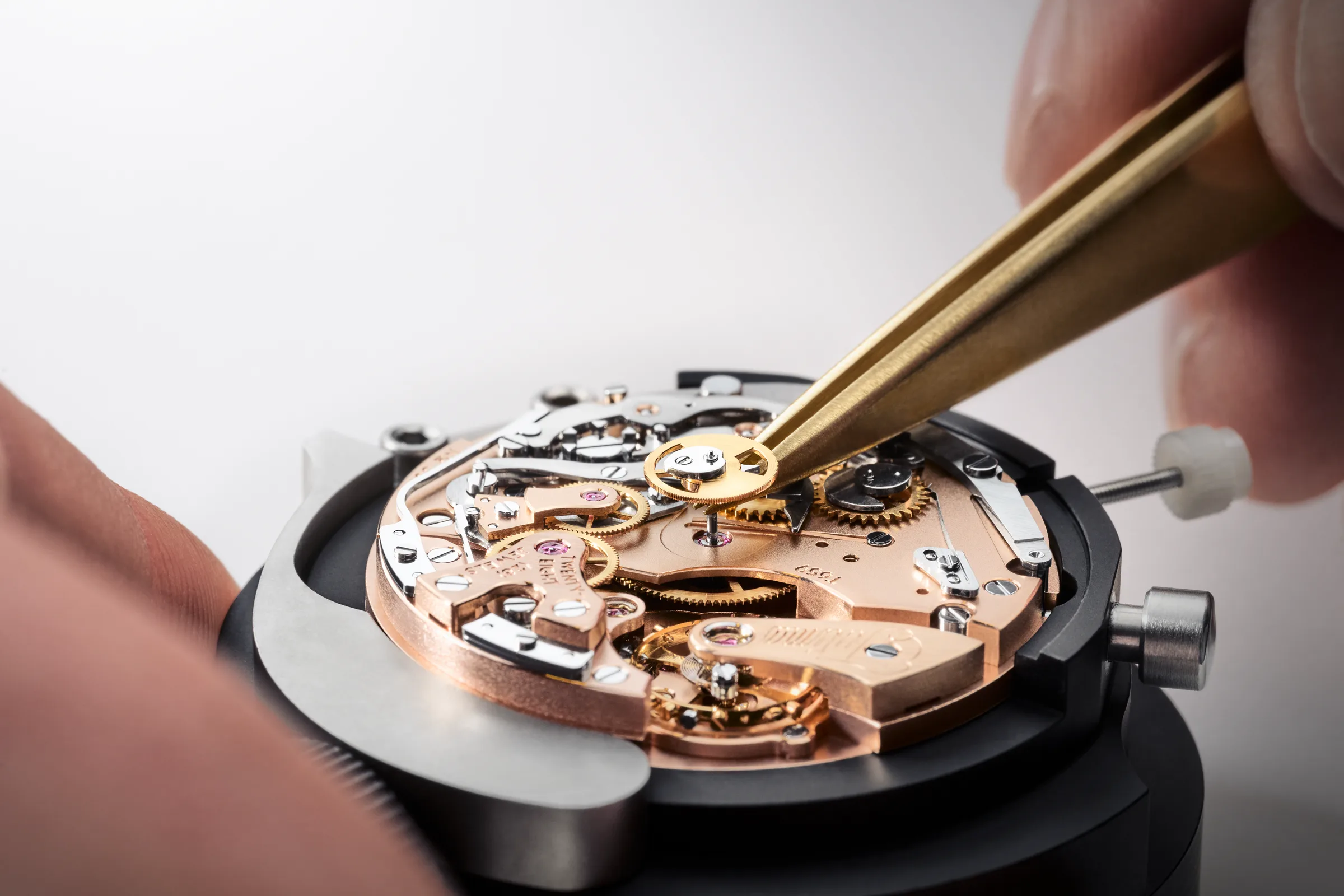
Movement Assembly
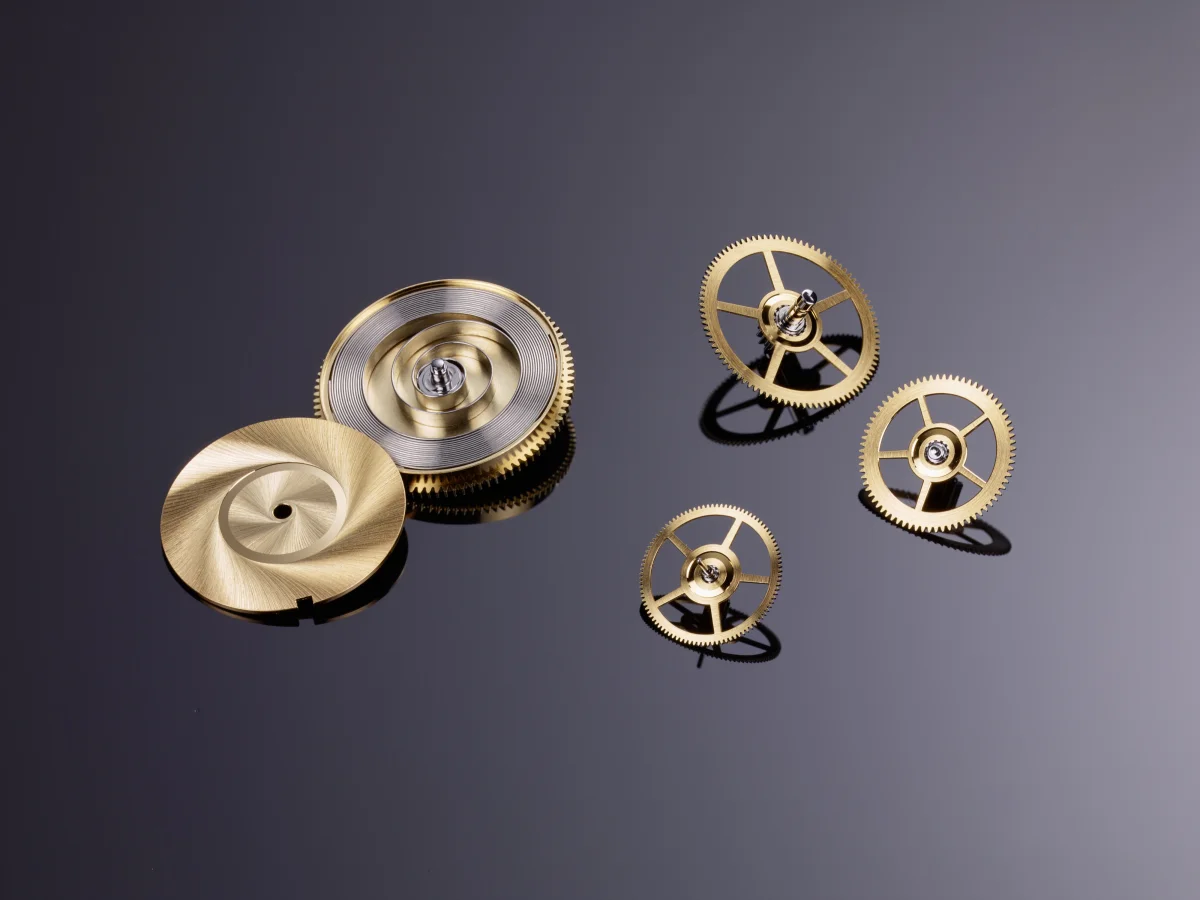
Each caliber is assembled, decorated, and regulated entirely by hand. The Breguet overcoil is formed in-house. Hands are produced in-house.
Finishing
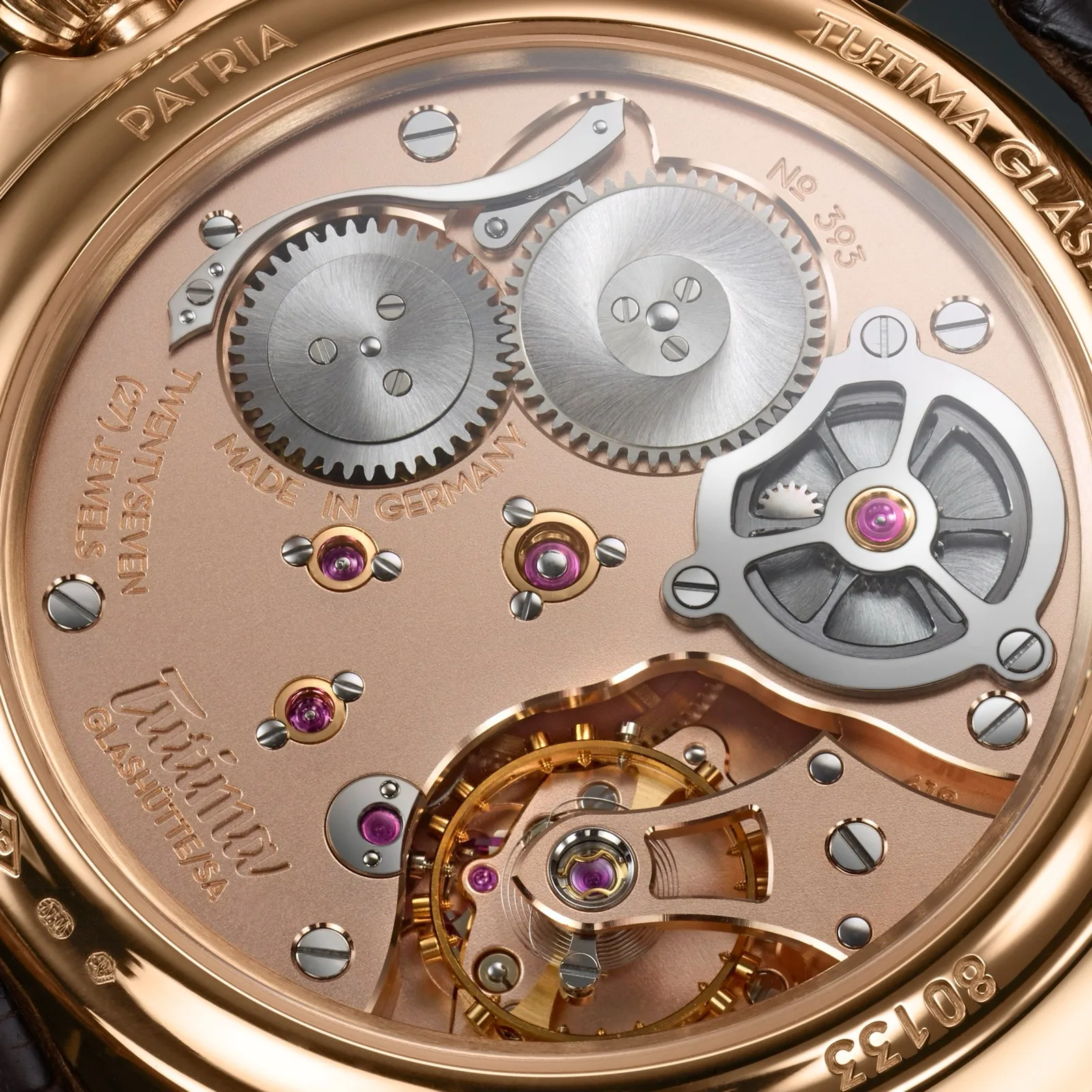
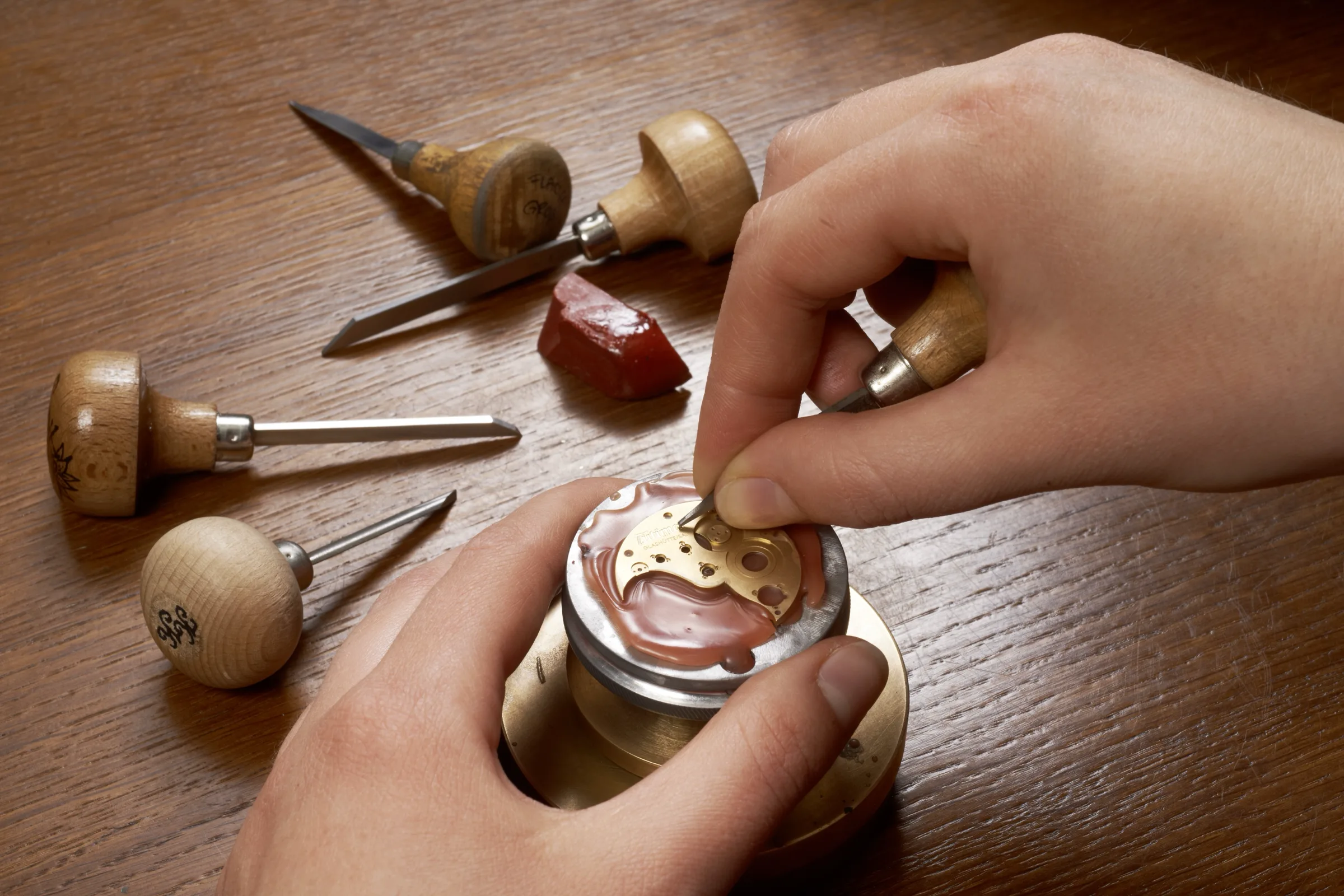
Glashütte-style: striping on the three-quarter plate, mirror polishing of steel surfaces on tin, hand-beveling of edges. The Patria’s Caliber 617 receives the most finishing steps of any Tutima caliber — every surface, including those invisible after casing.
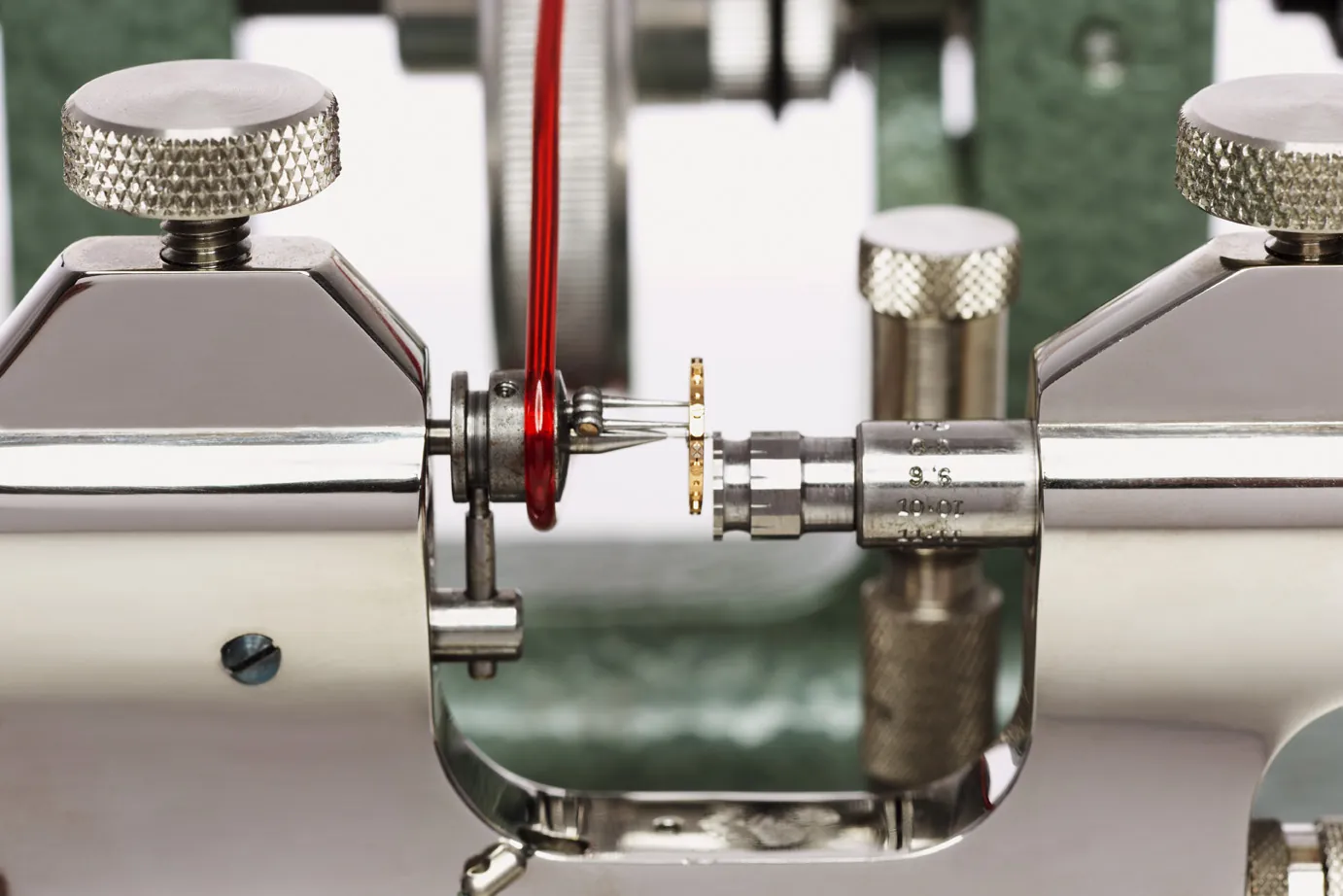
Regulation
Each movement is regulated in six positions. The industry standard is five. The sixth position provides an additional data point that tightens the tolerance. The process takes days. It cannot be compressed.
Casing
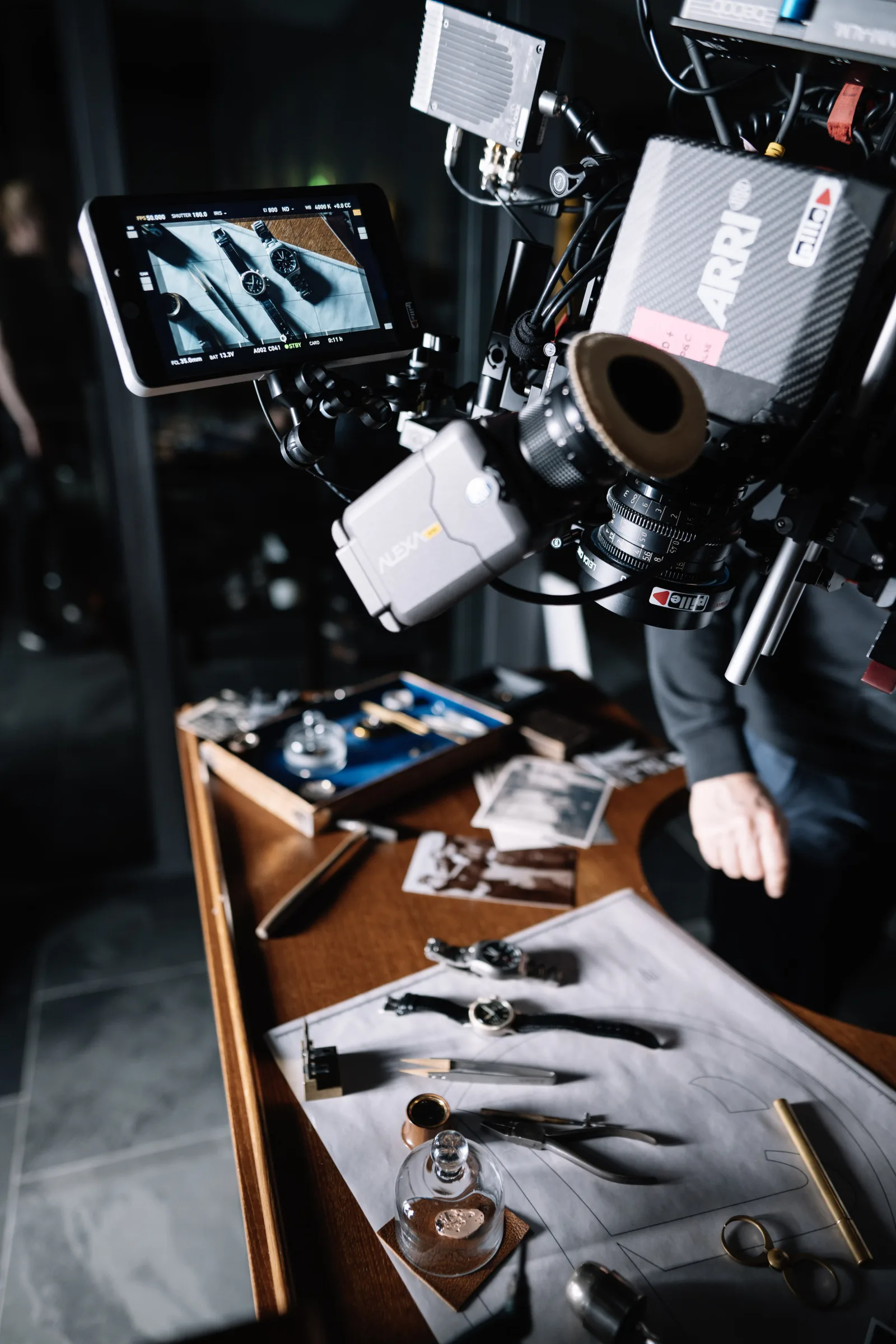
The tested movement is installed into the case. Dial, hands, and crystal are fitted. Crown and pushers are sealed. Water resistance is verified under pressure where the specification requires it.
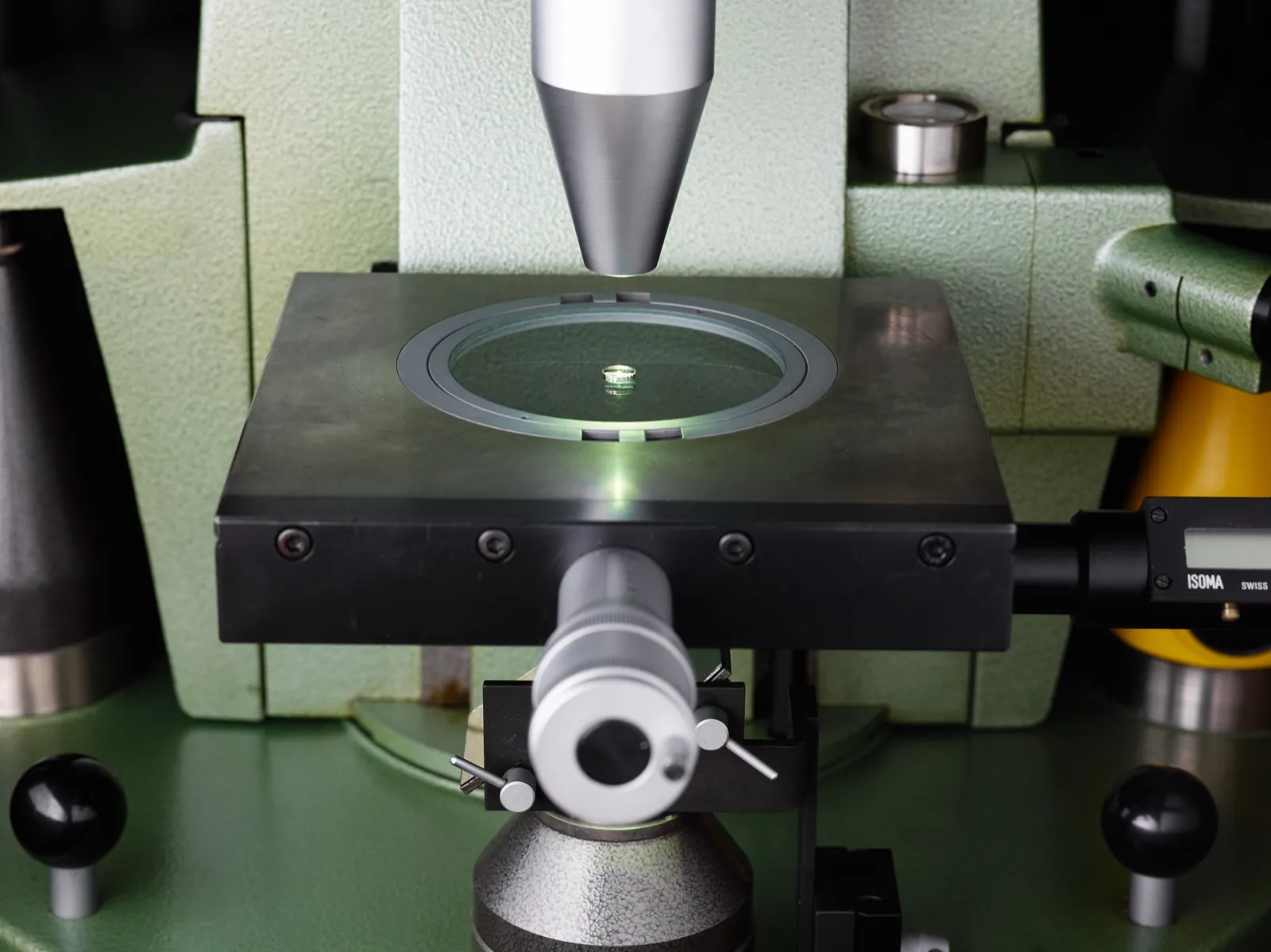
Quality Control
Final inspection. Every watch is individually tested before it leaves Glashütte. No sampling. No exceptions.

The Calibers
Seven caliber families — from the minute repeater to compact automatics. Each developed or refined in Glashütte.
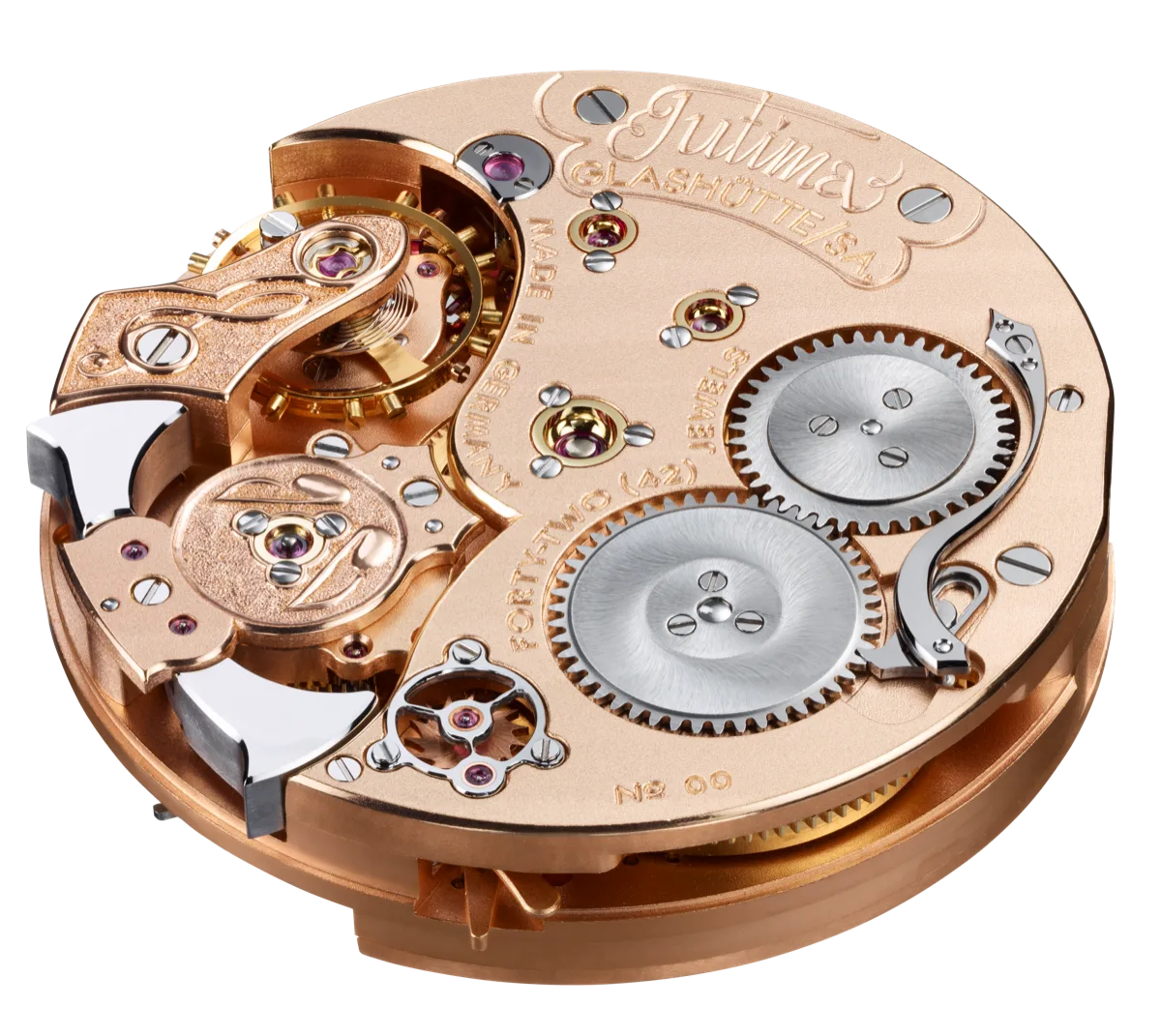
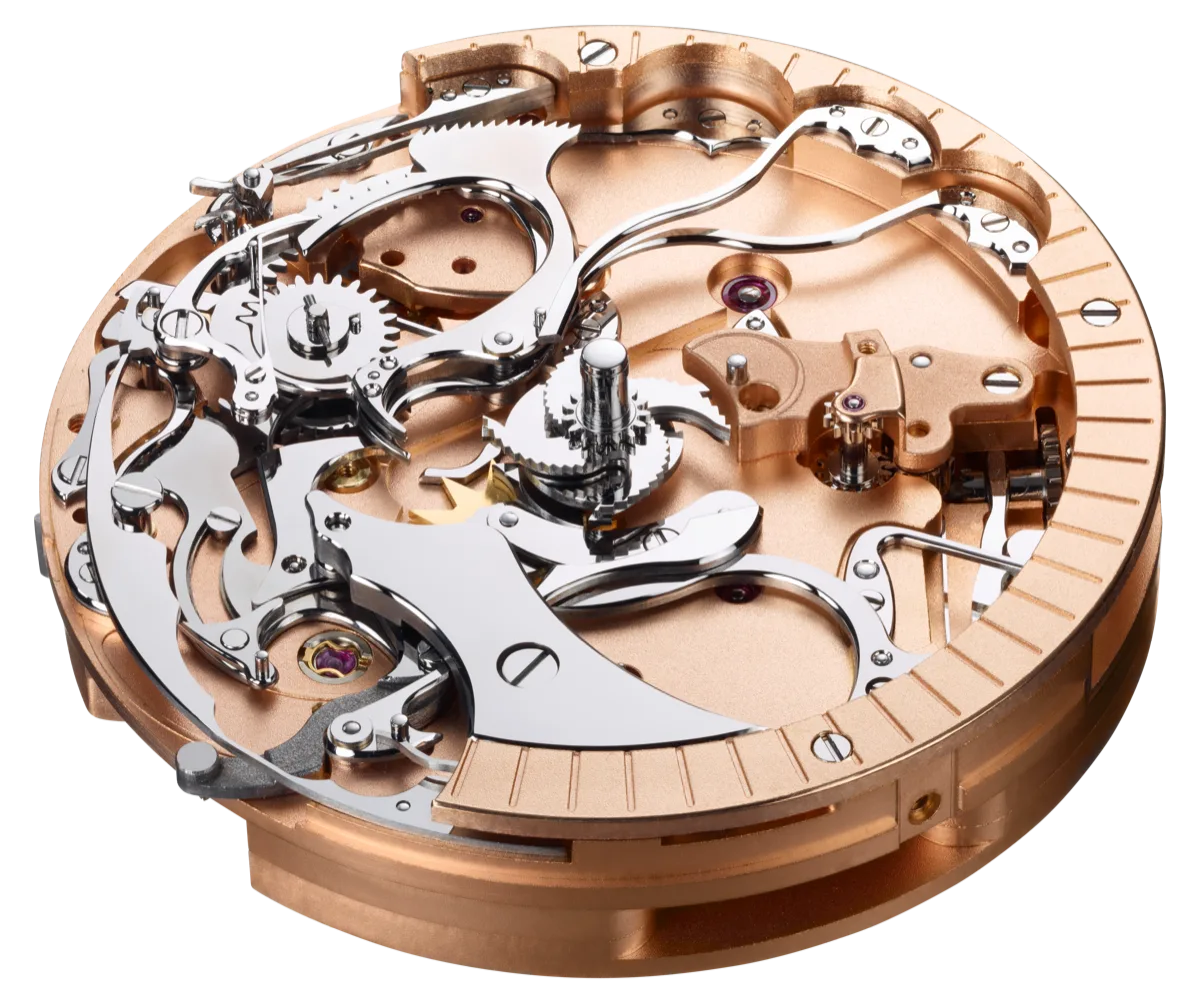
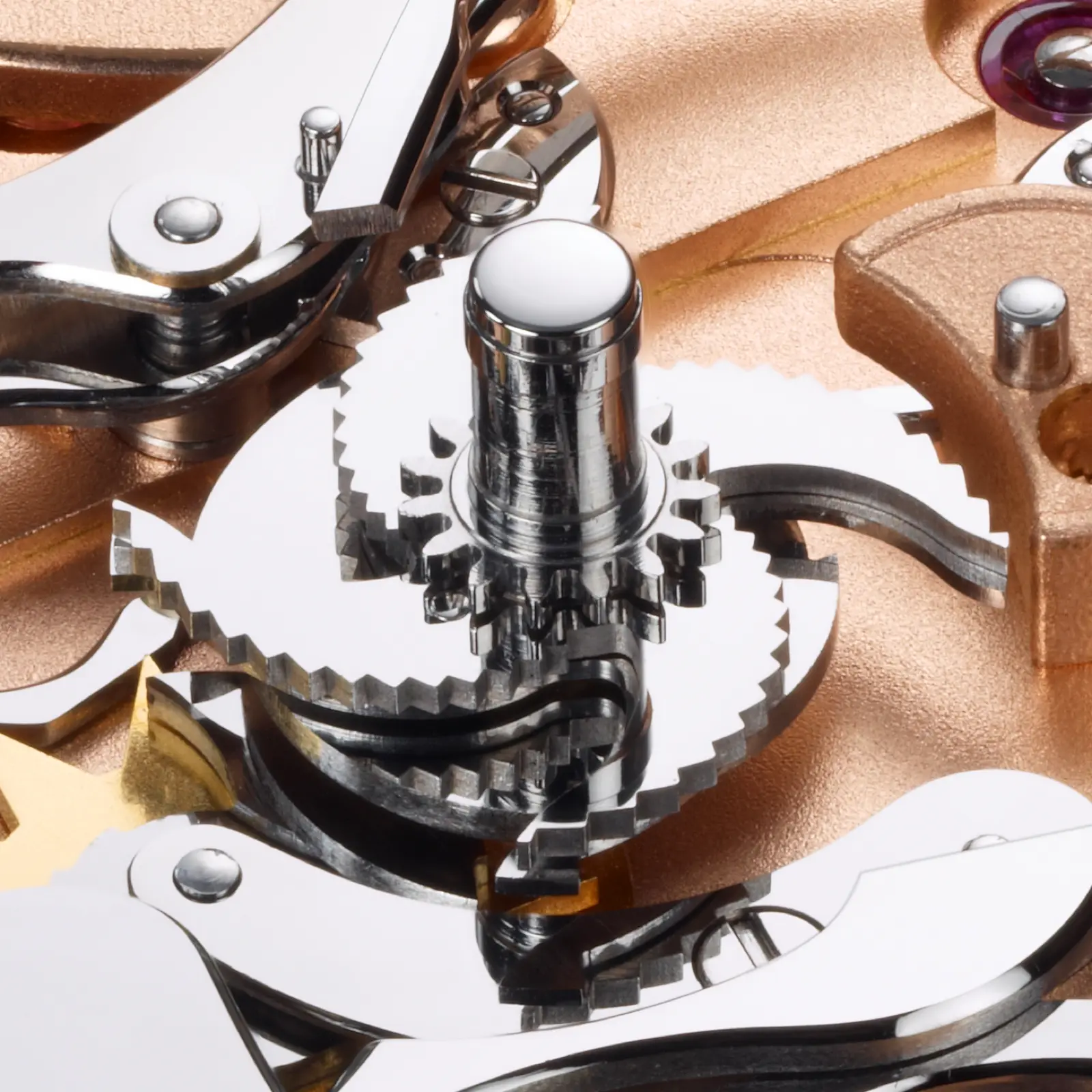
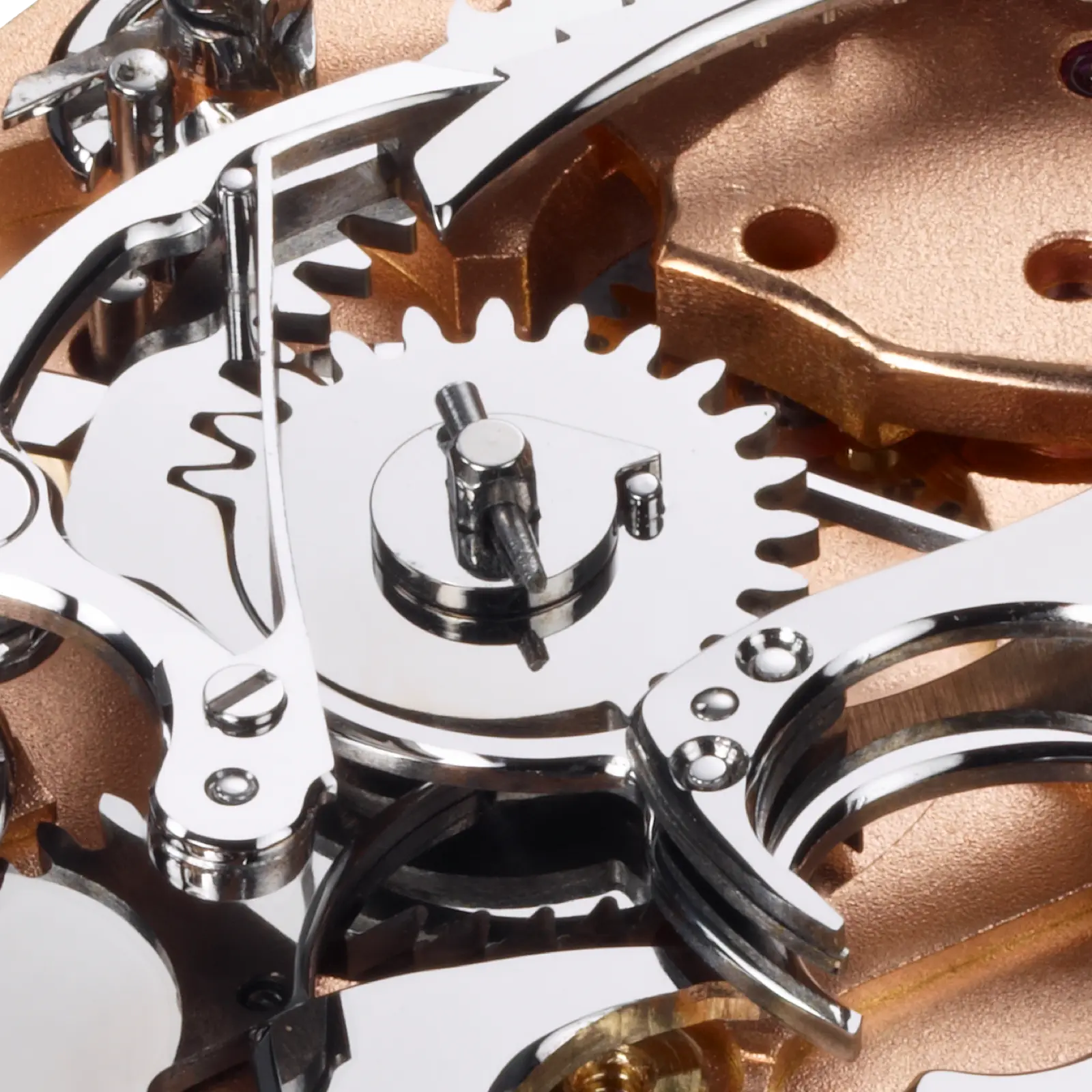
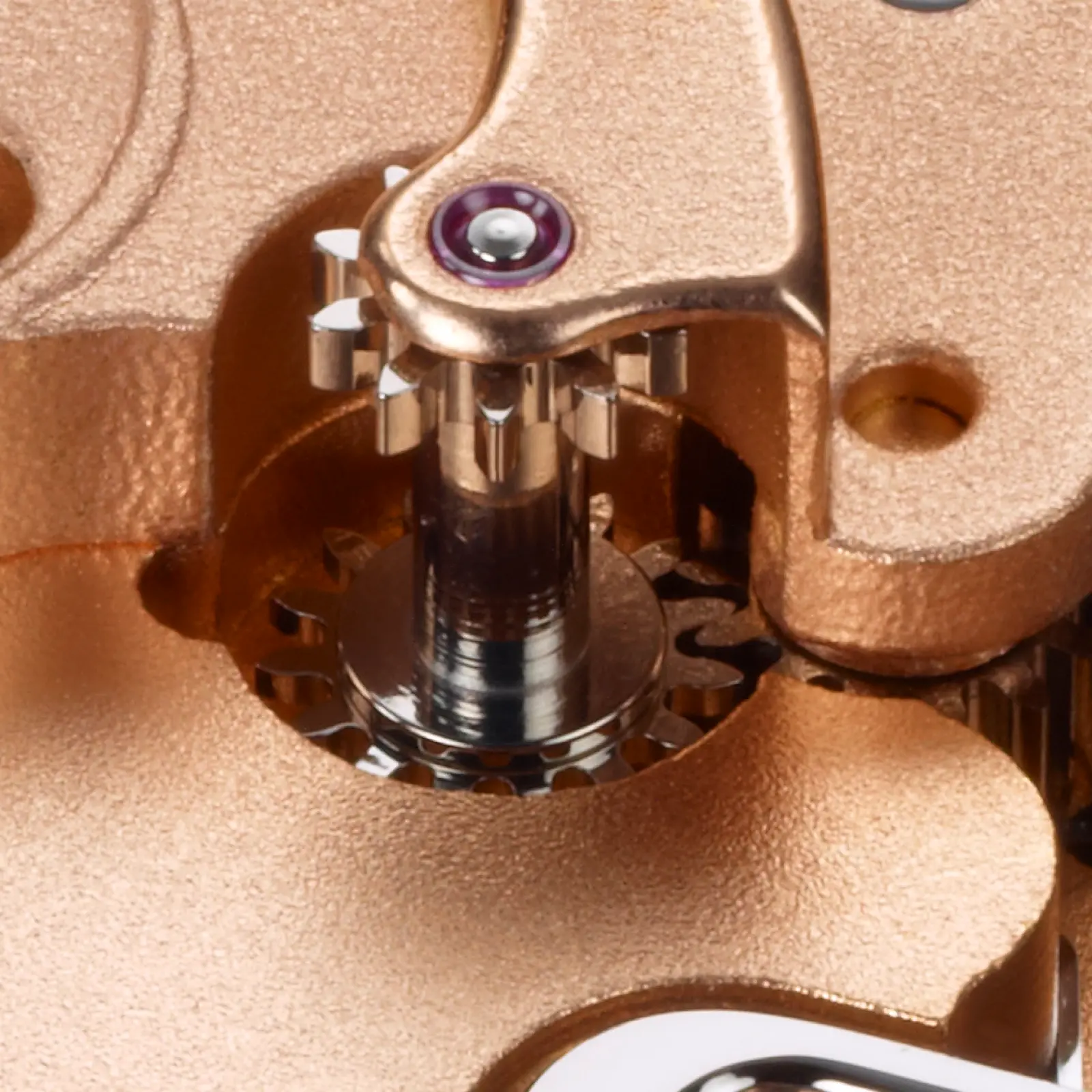
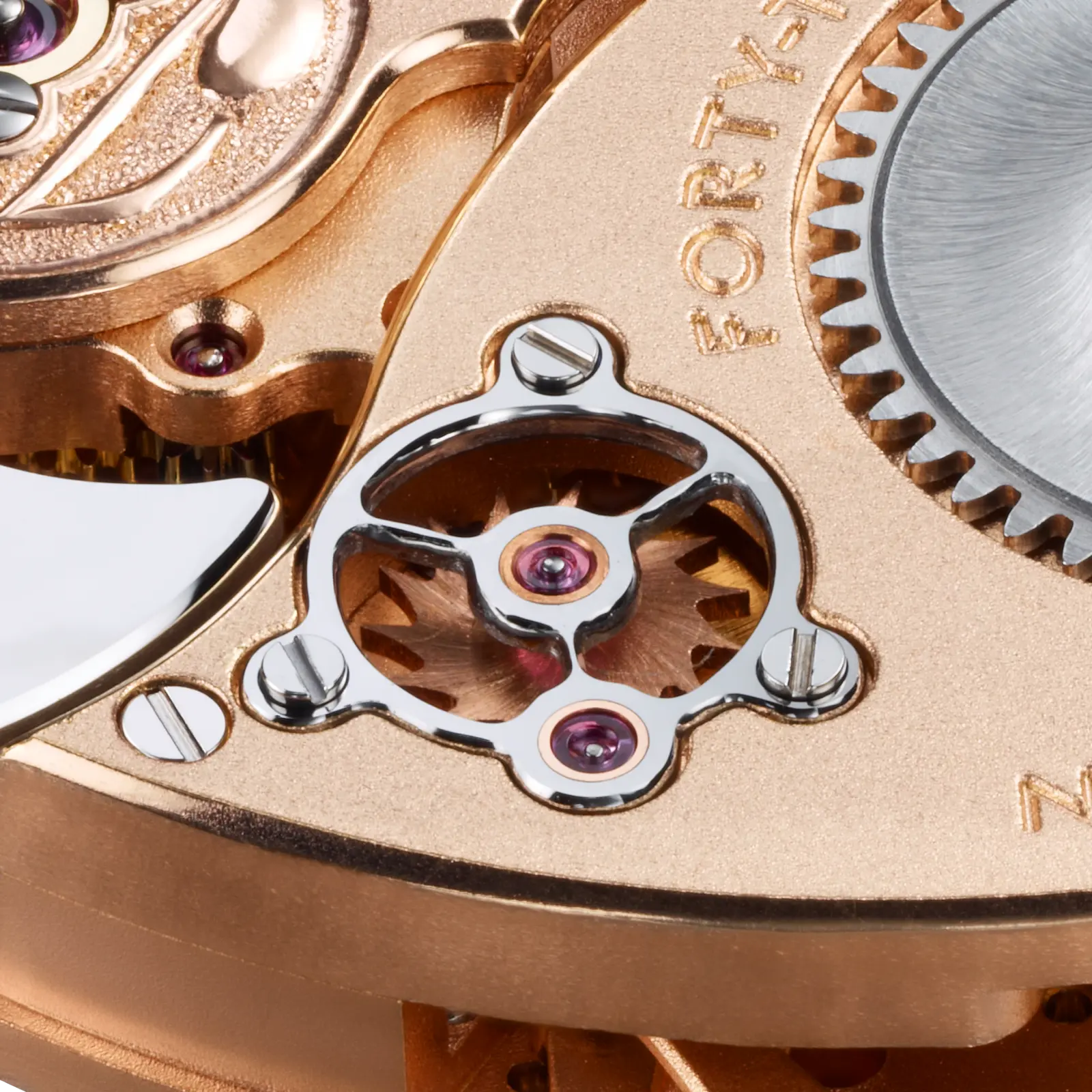
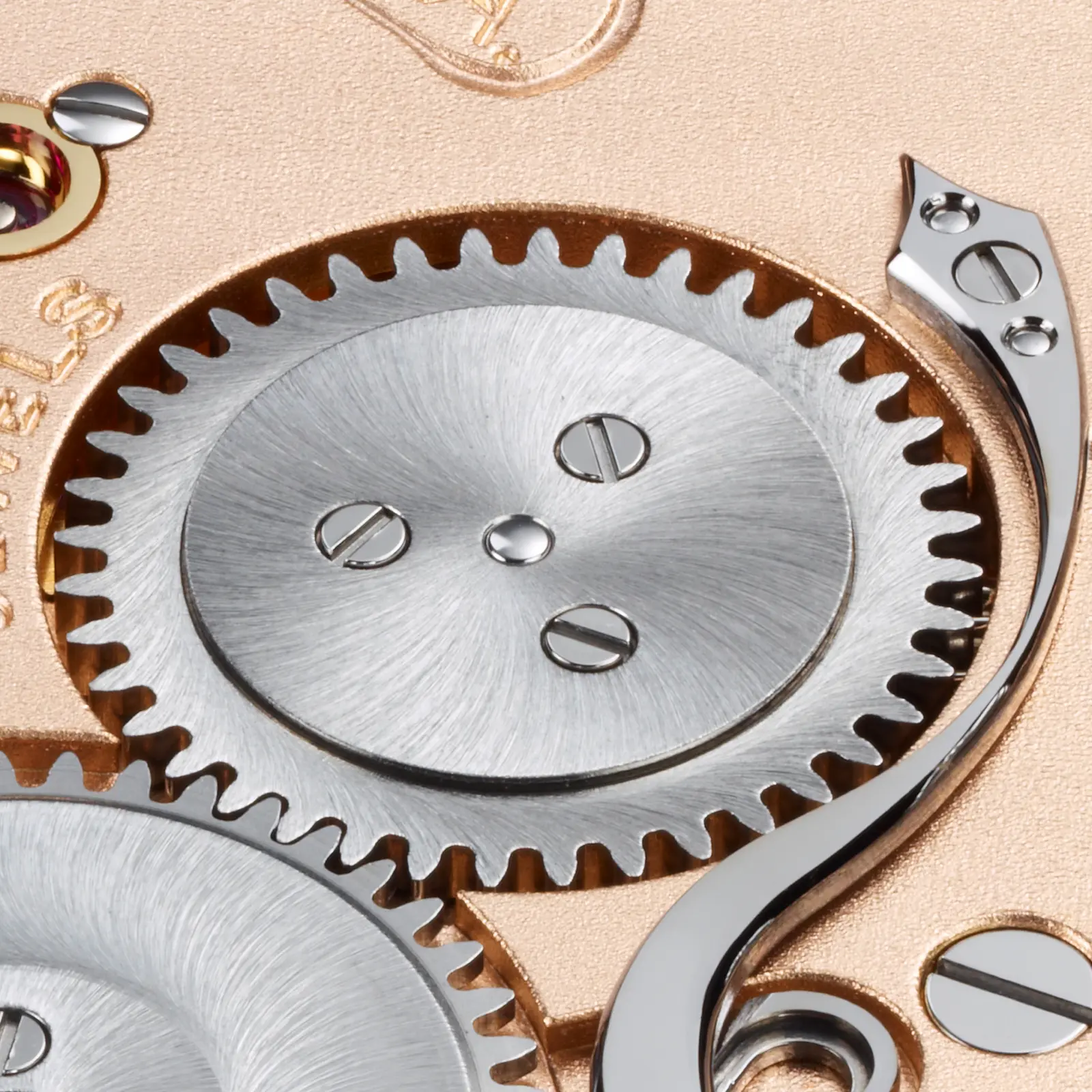
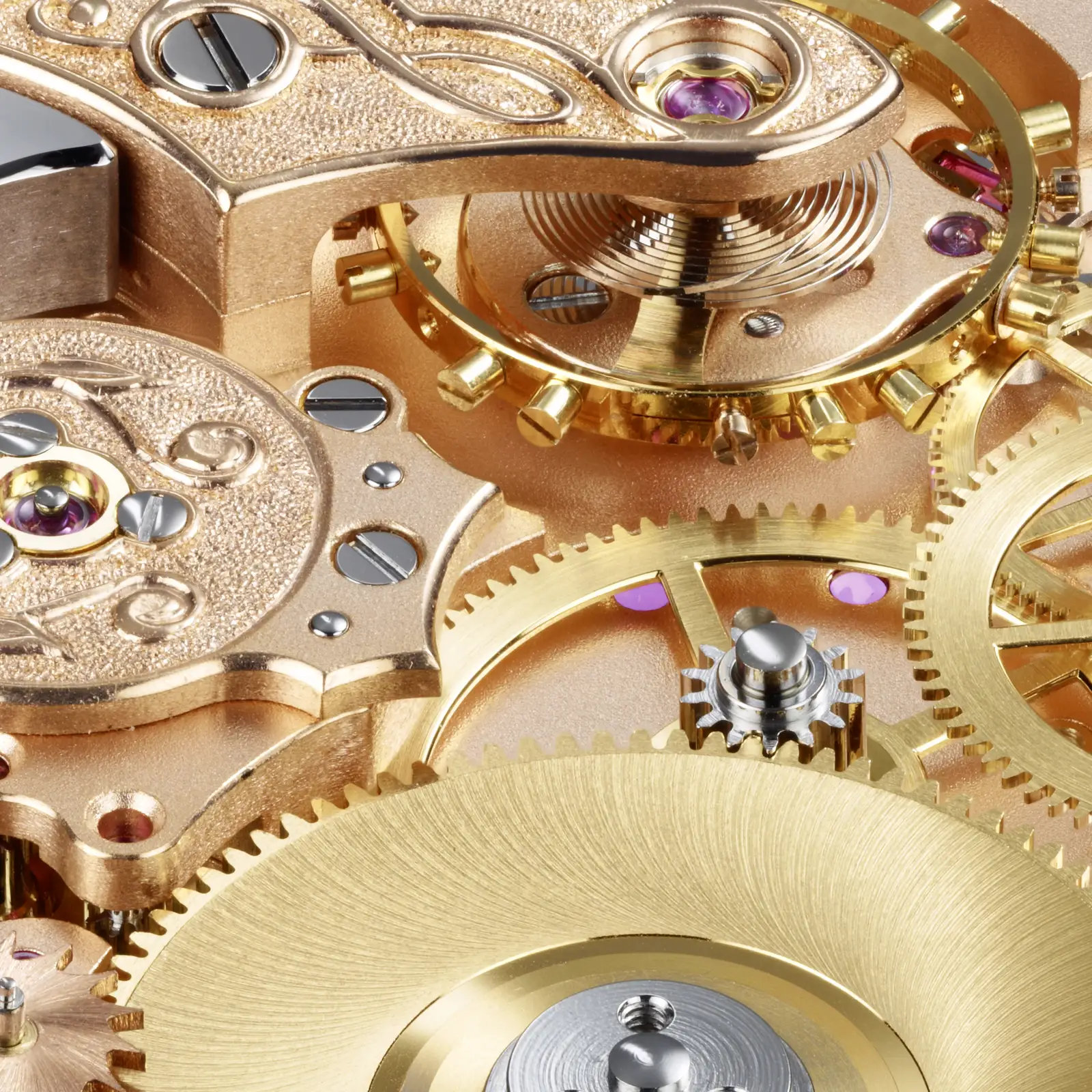
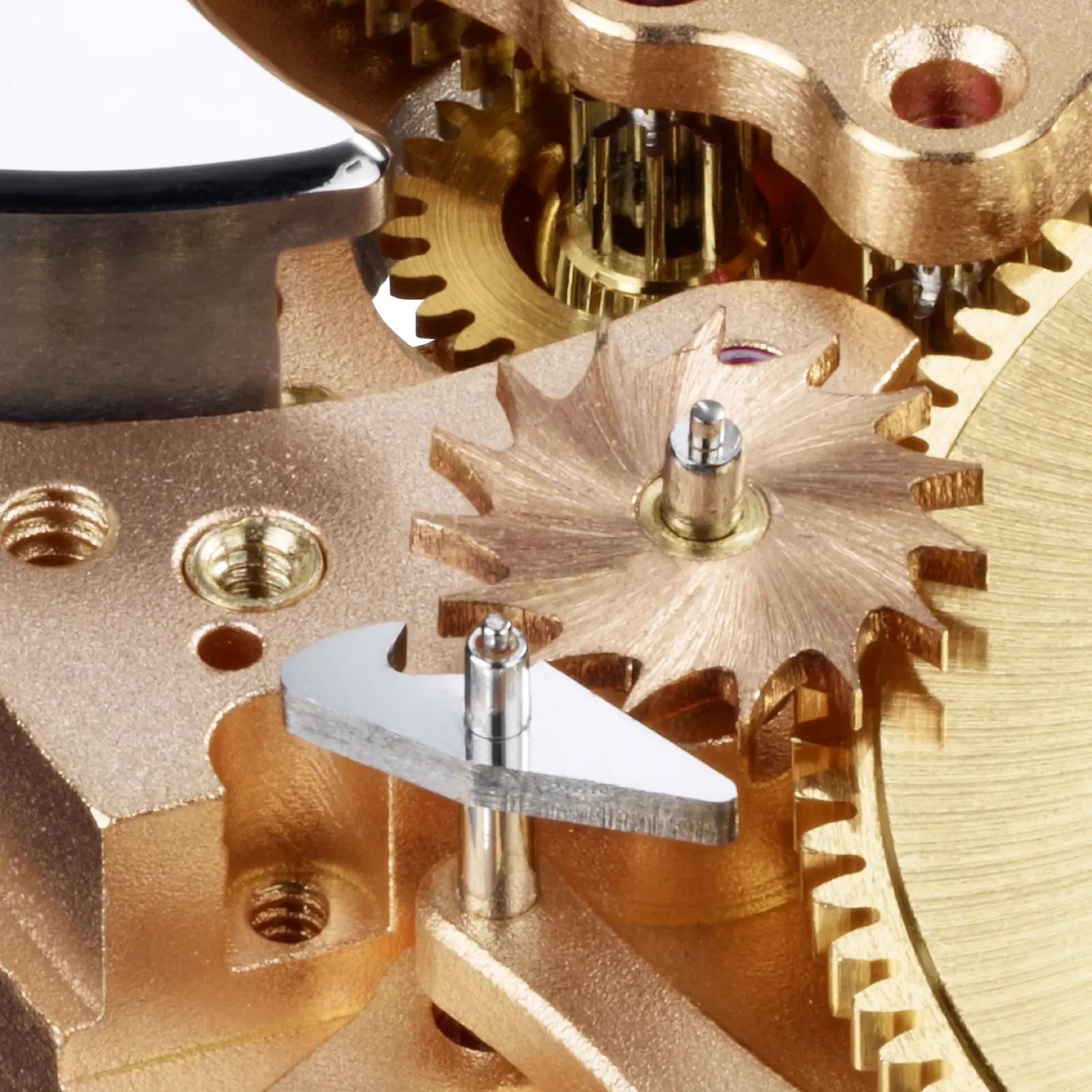
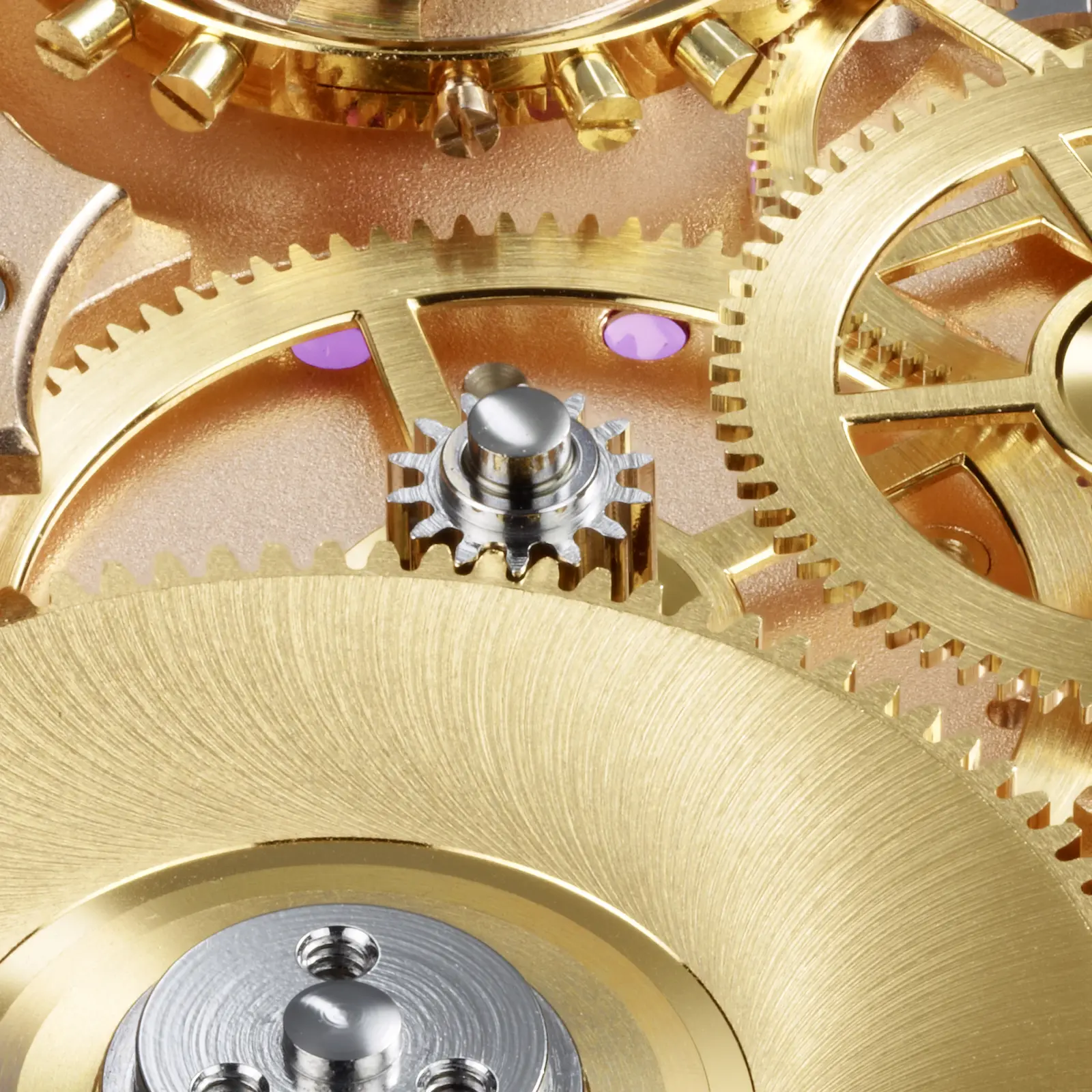
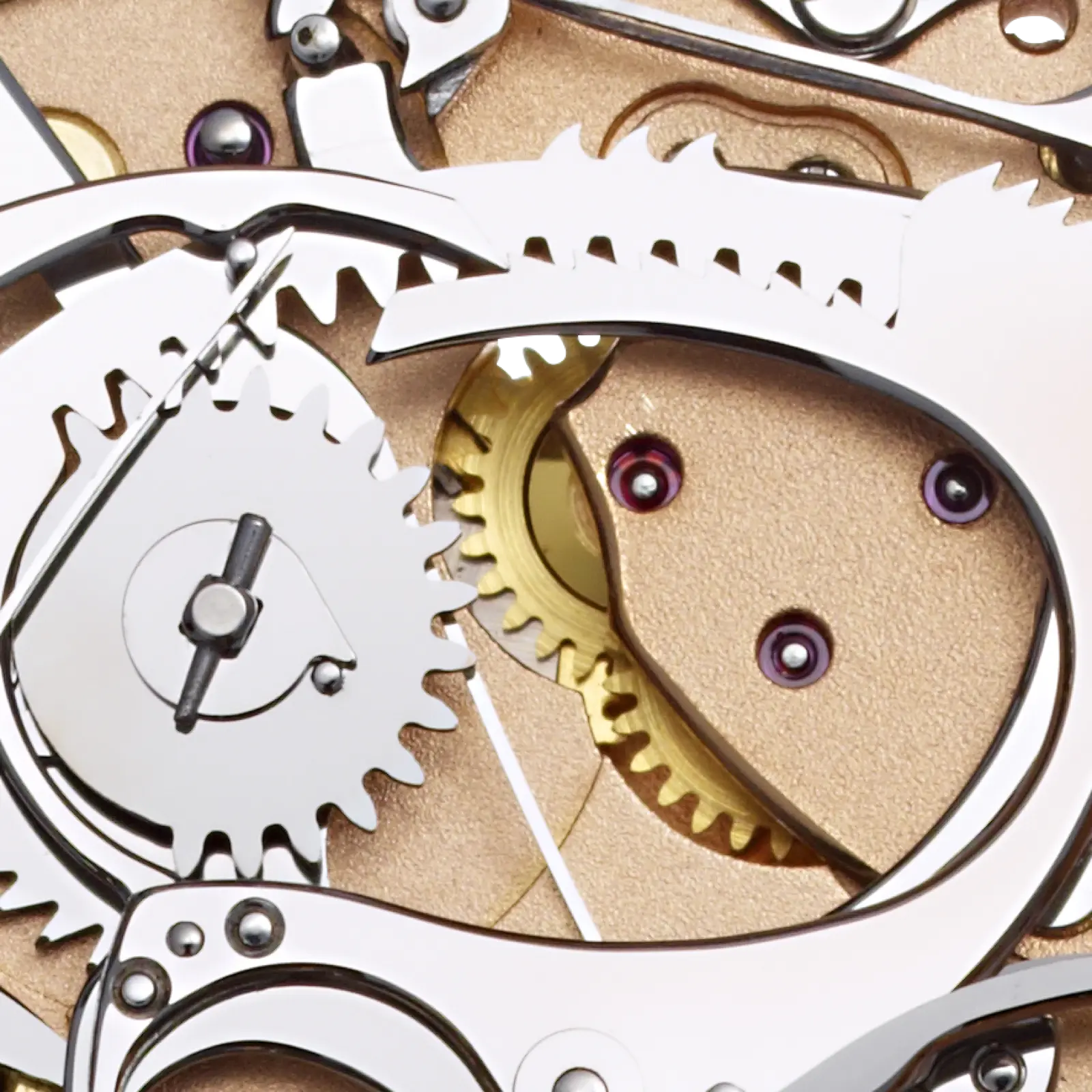
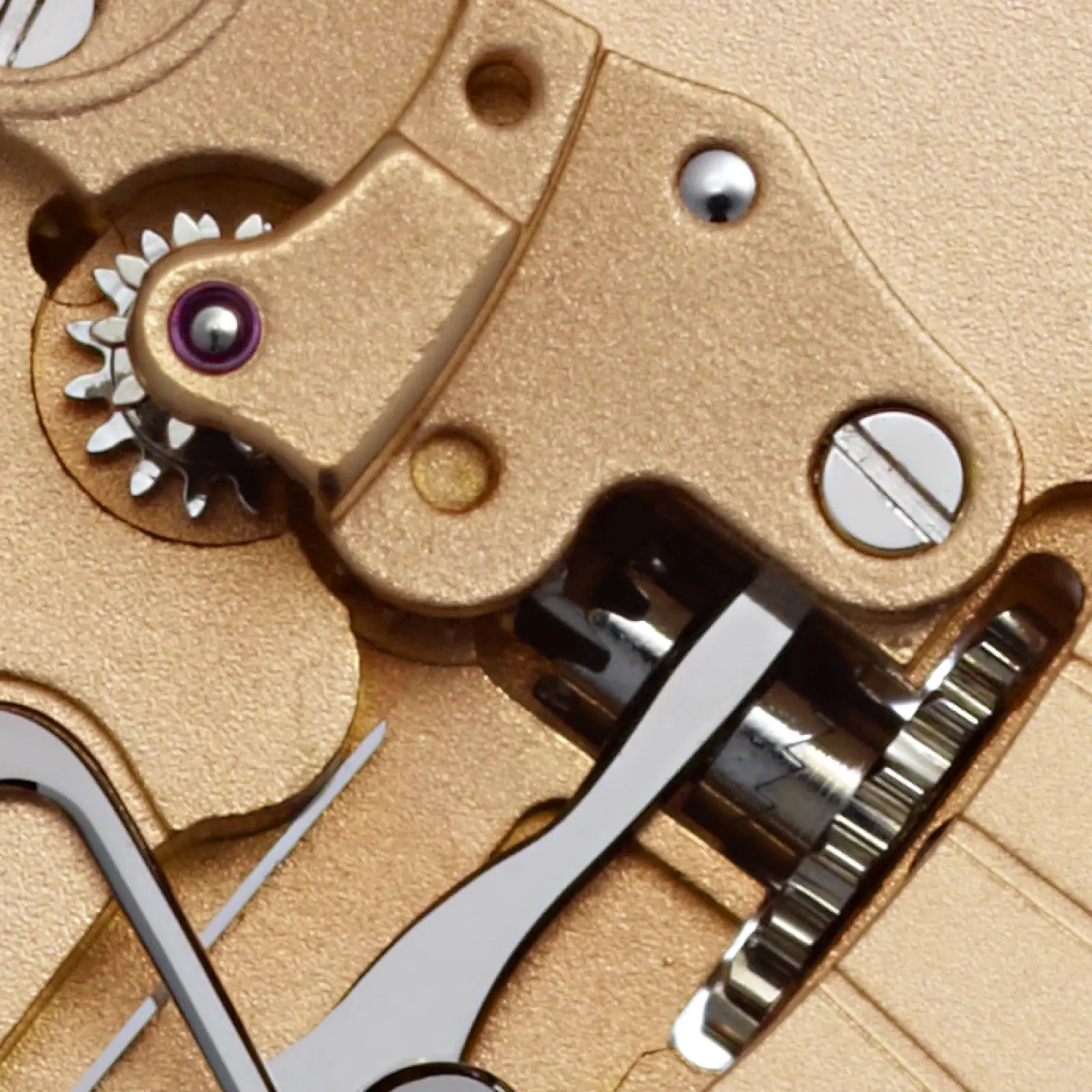
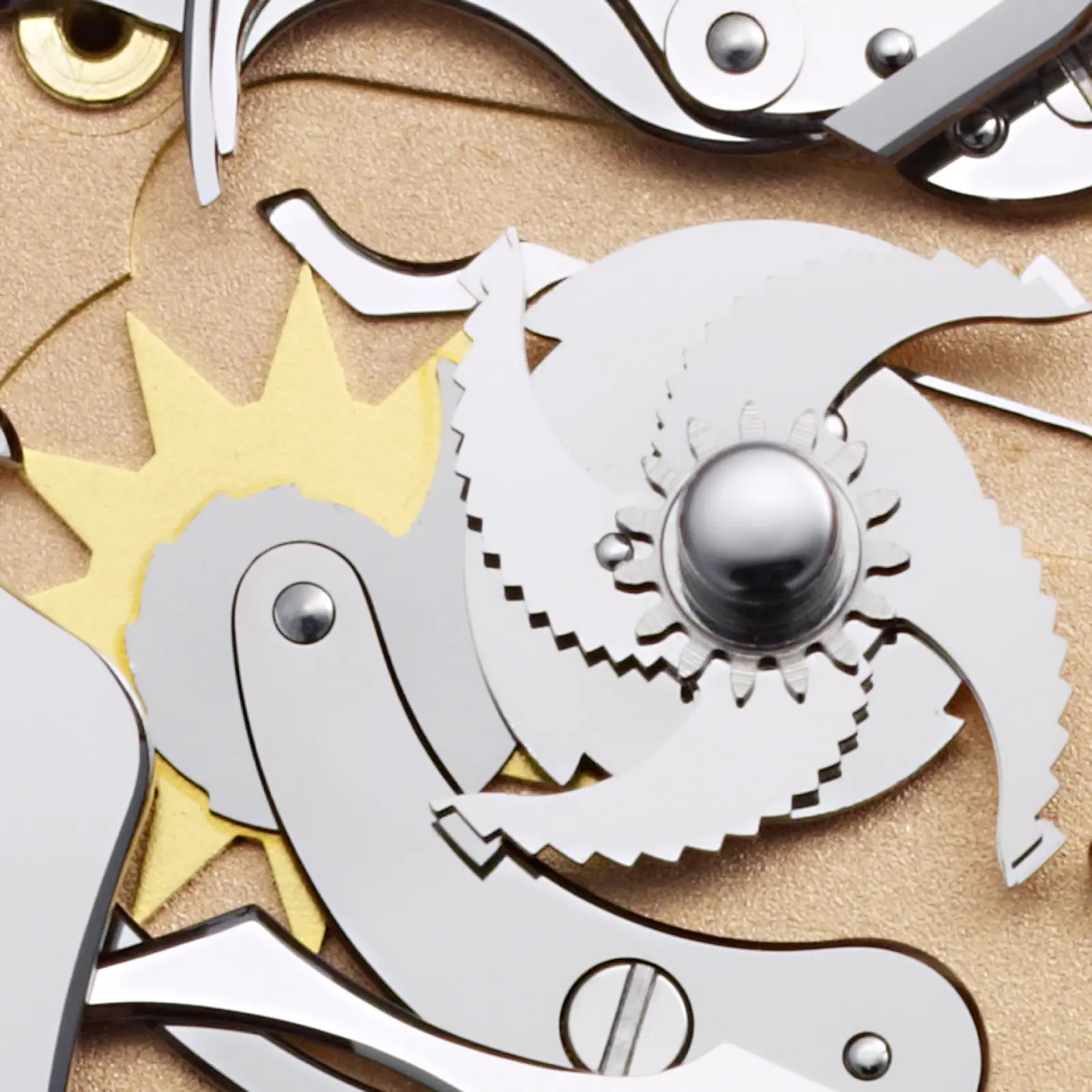
Caliber 800
The Minute Repeater
- • More than 550 parts
- • First minute repeater ever built in Glashütte
- • First wrist minute repeater in German watchmaking history
- • Entirely developed and built in Glashütte
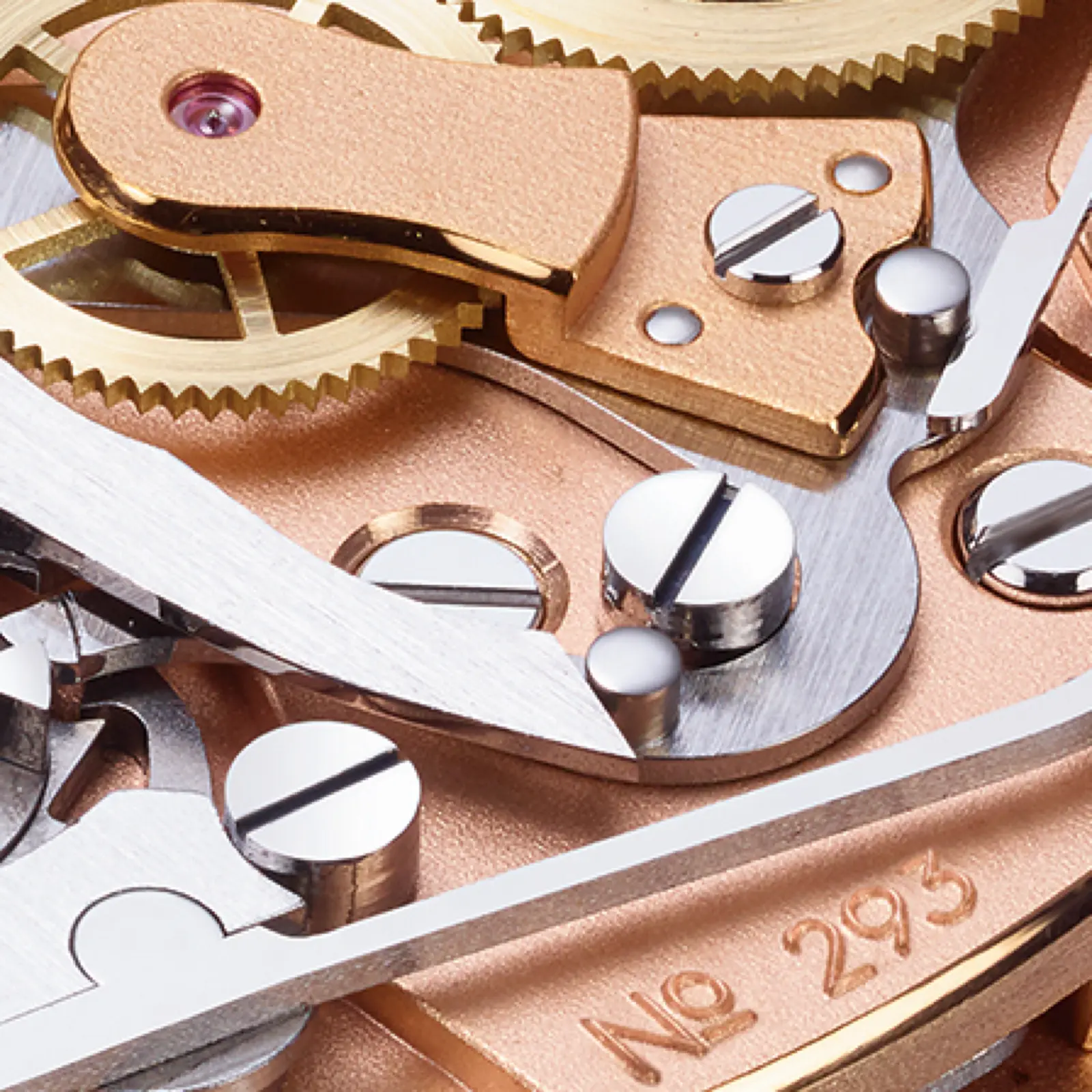
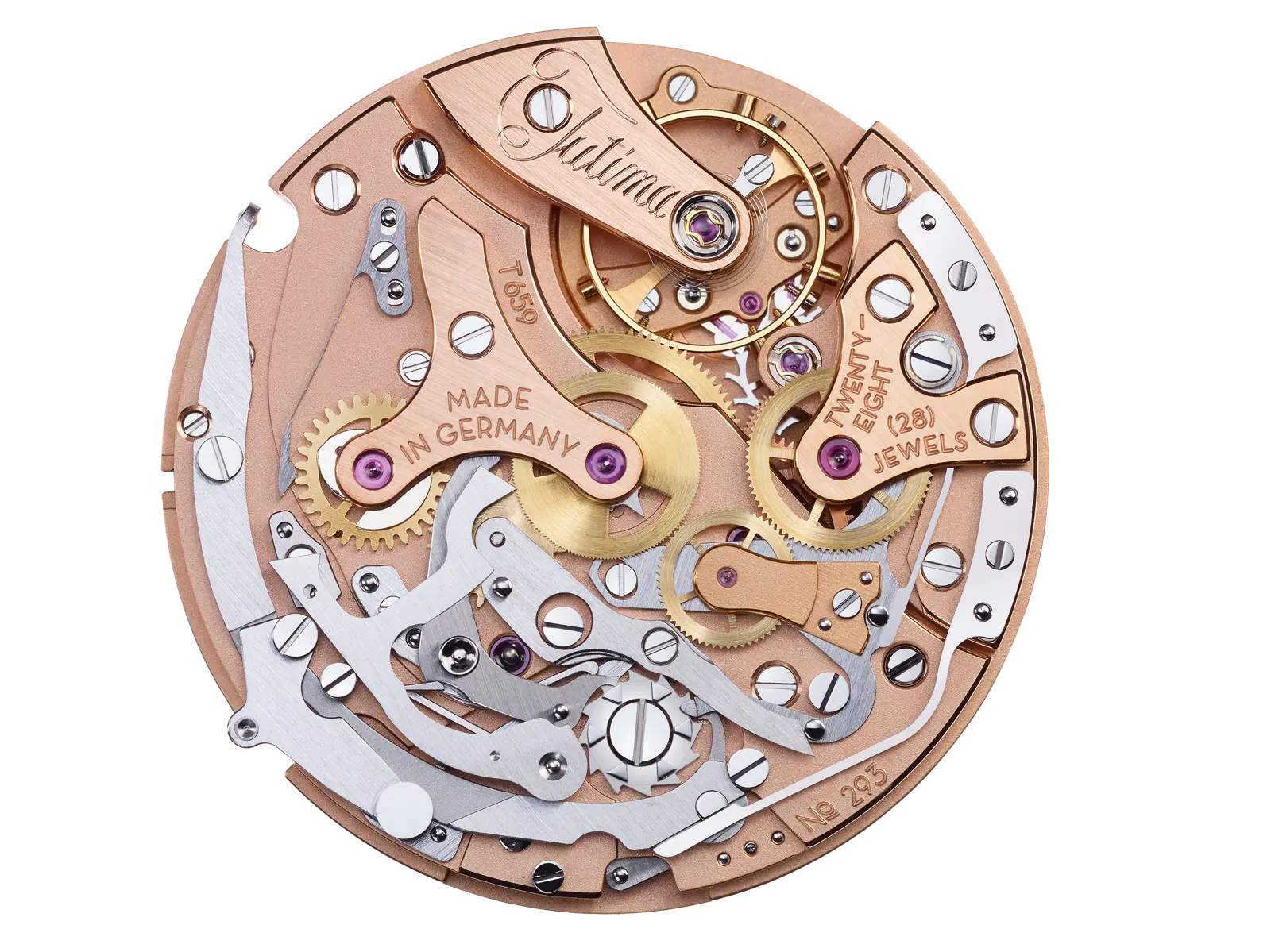
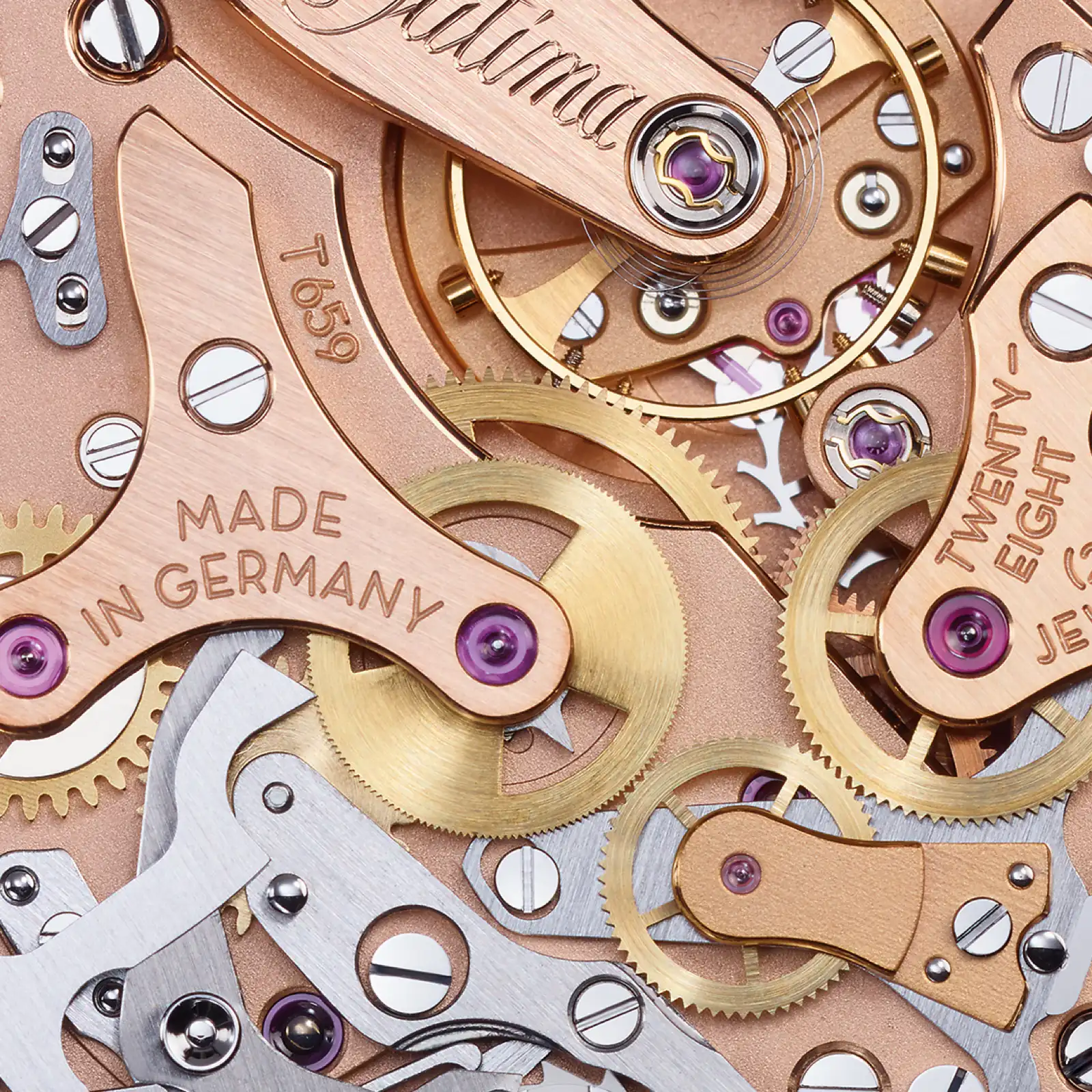
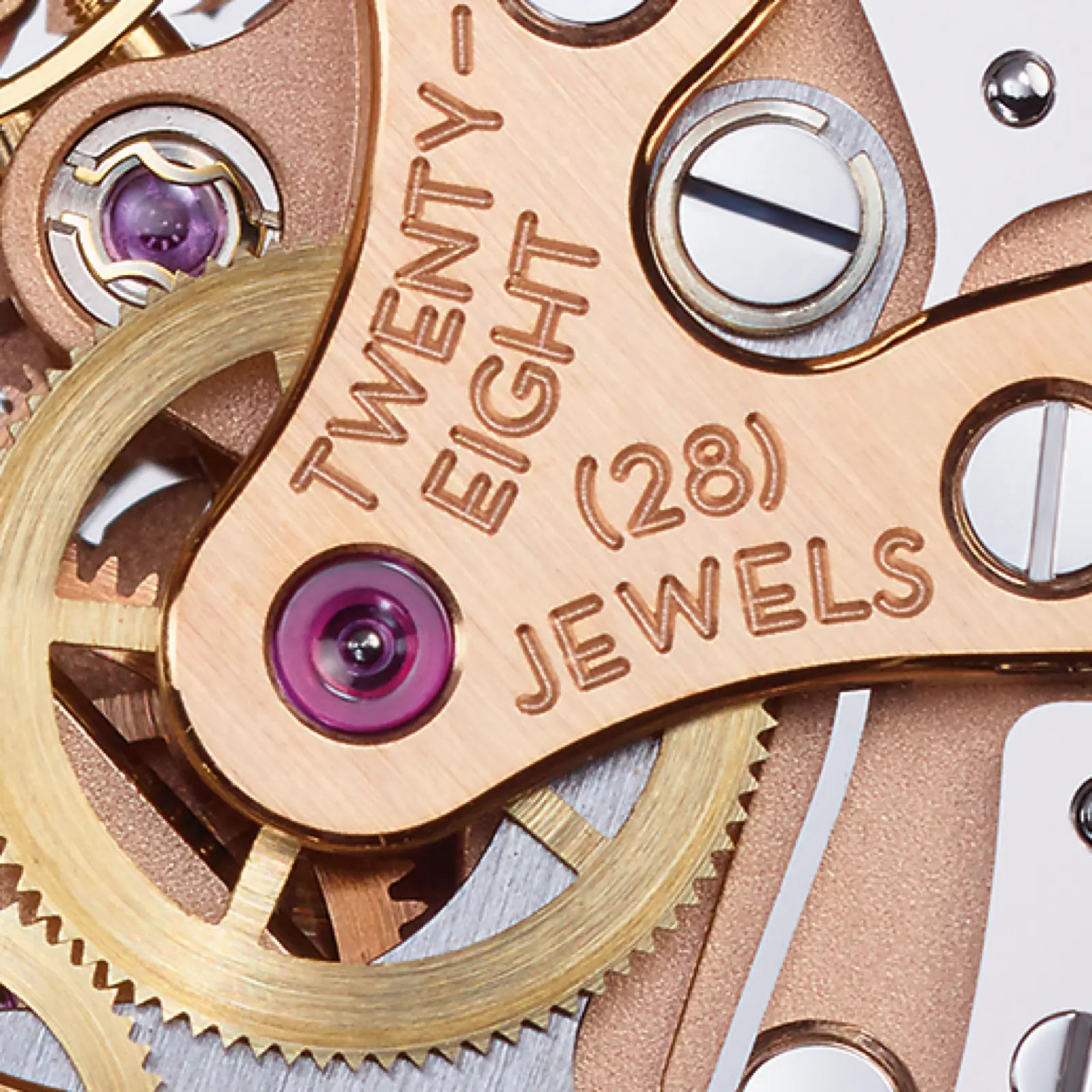
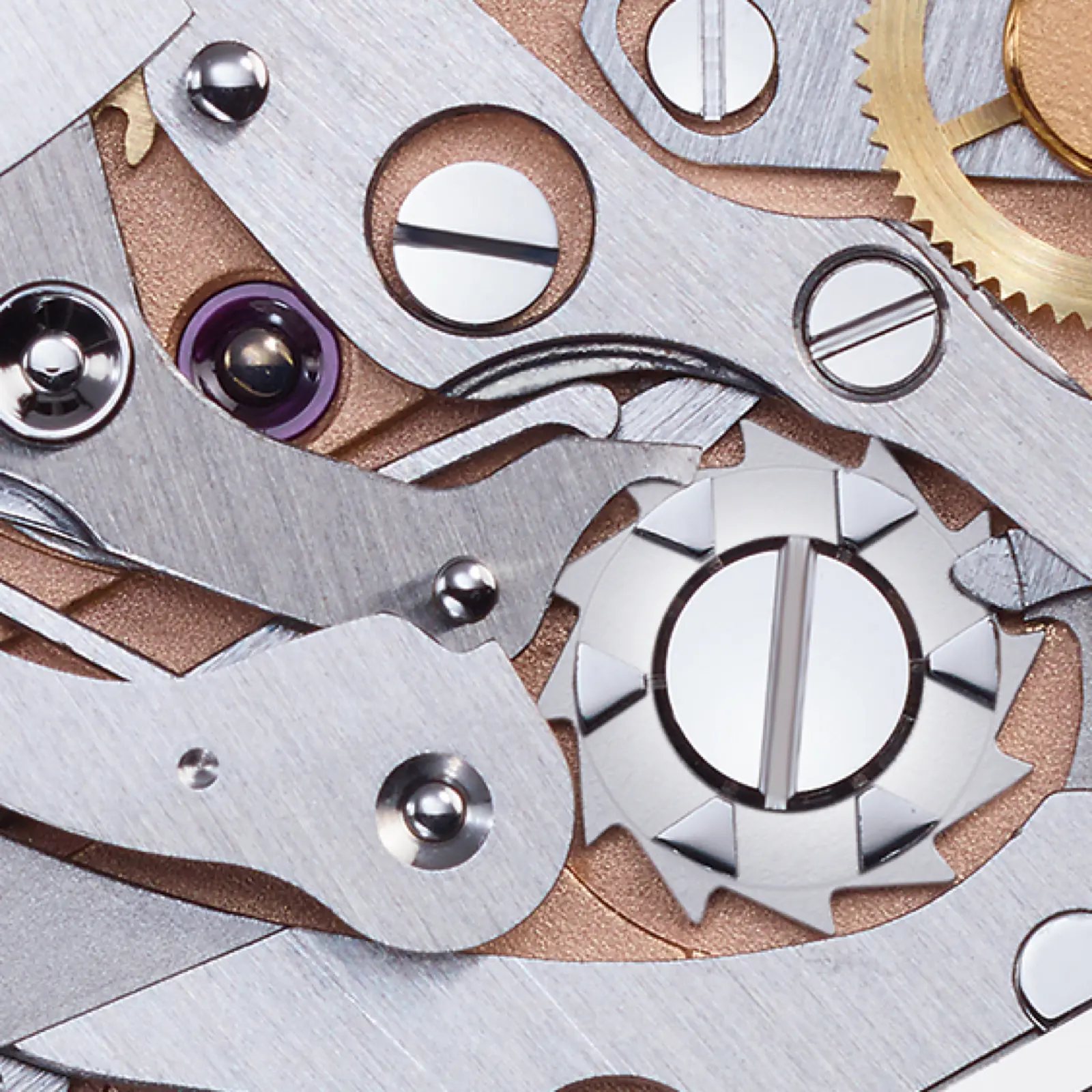
Caliber T659
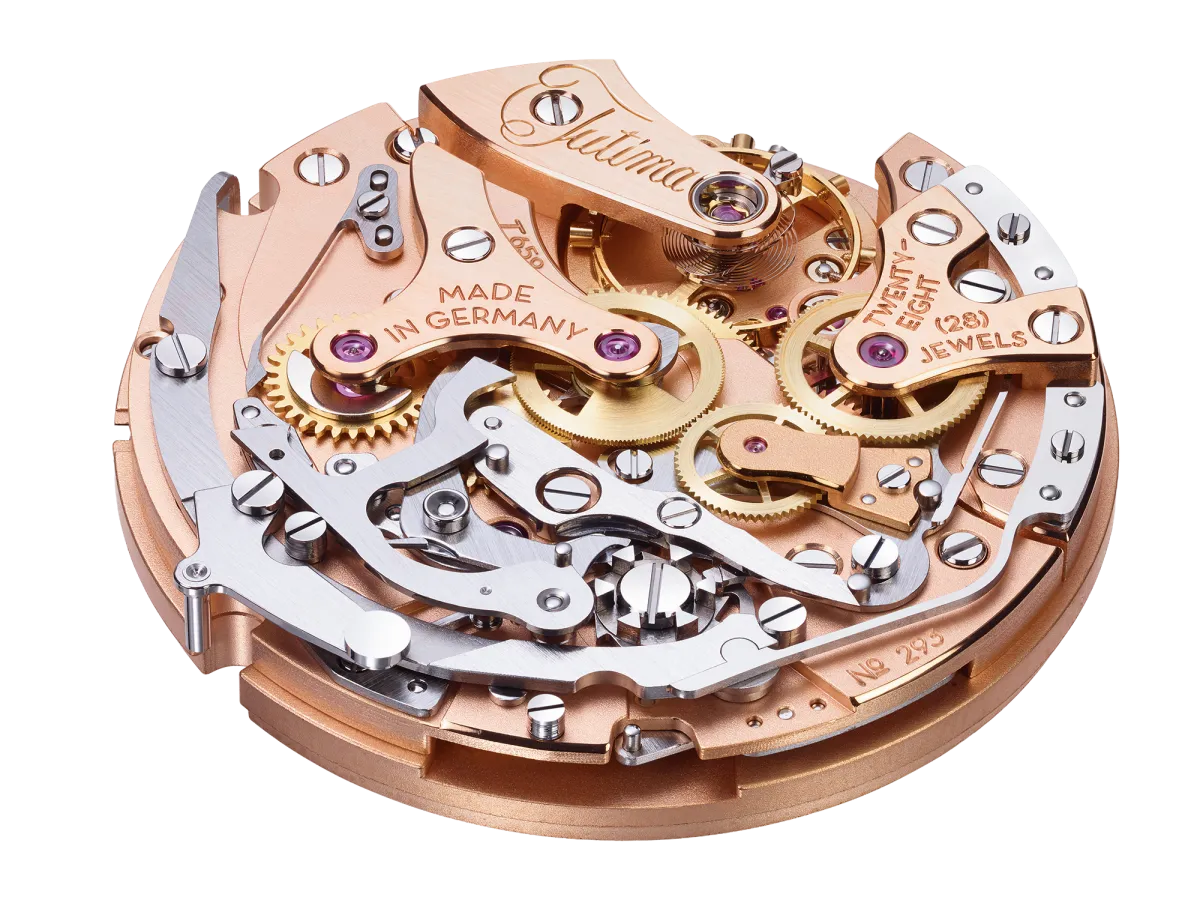
The Flyback Chronograph
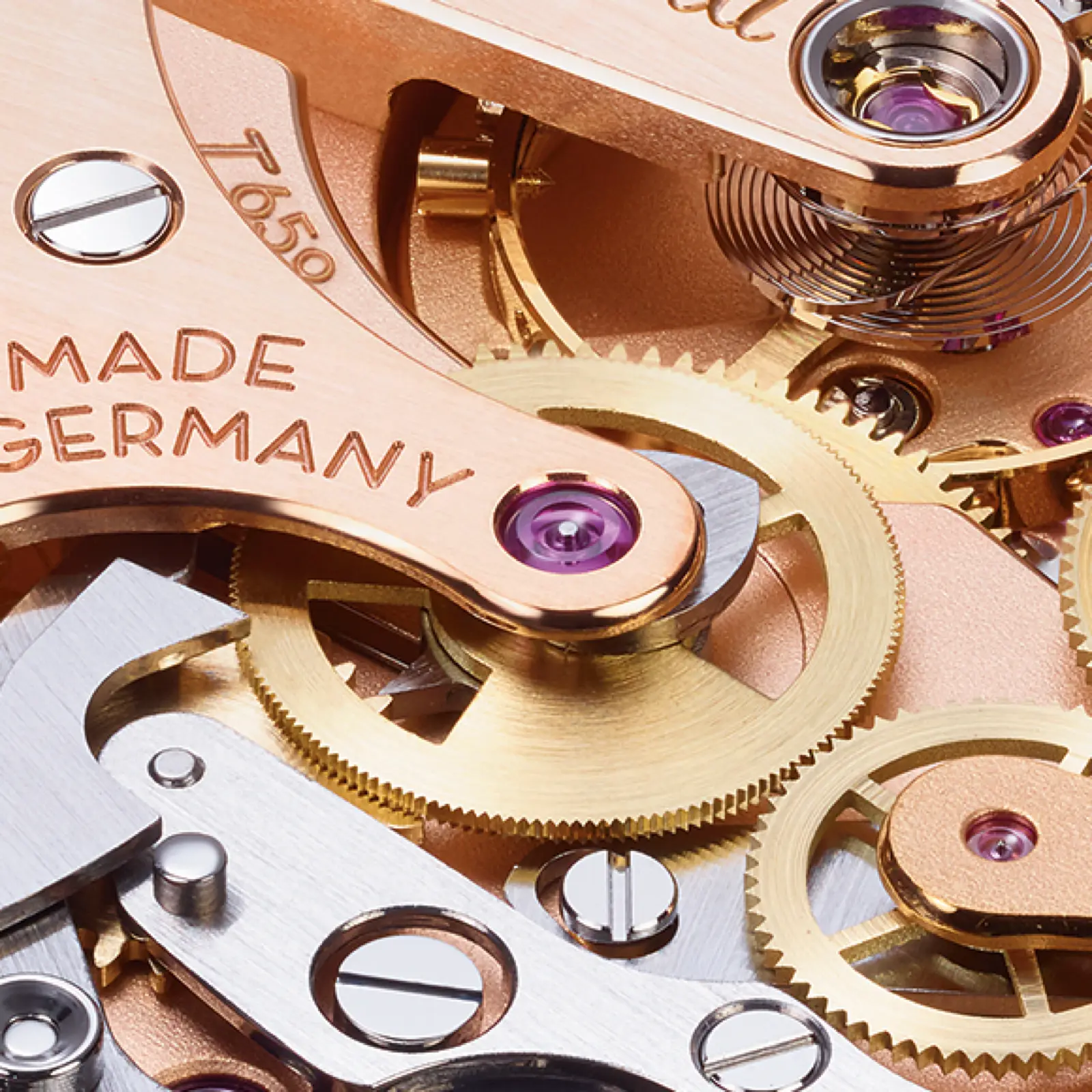
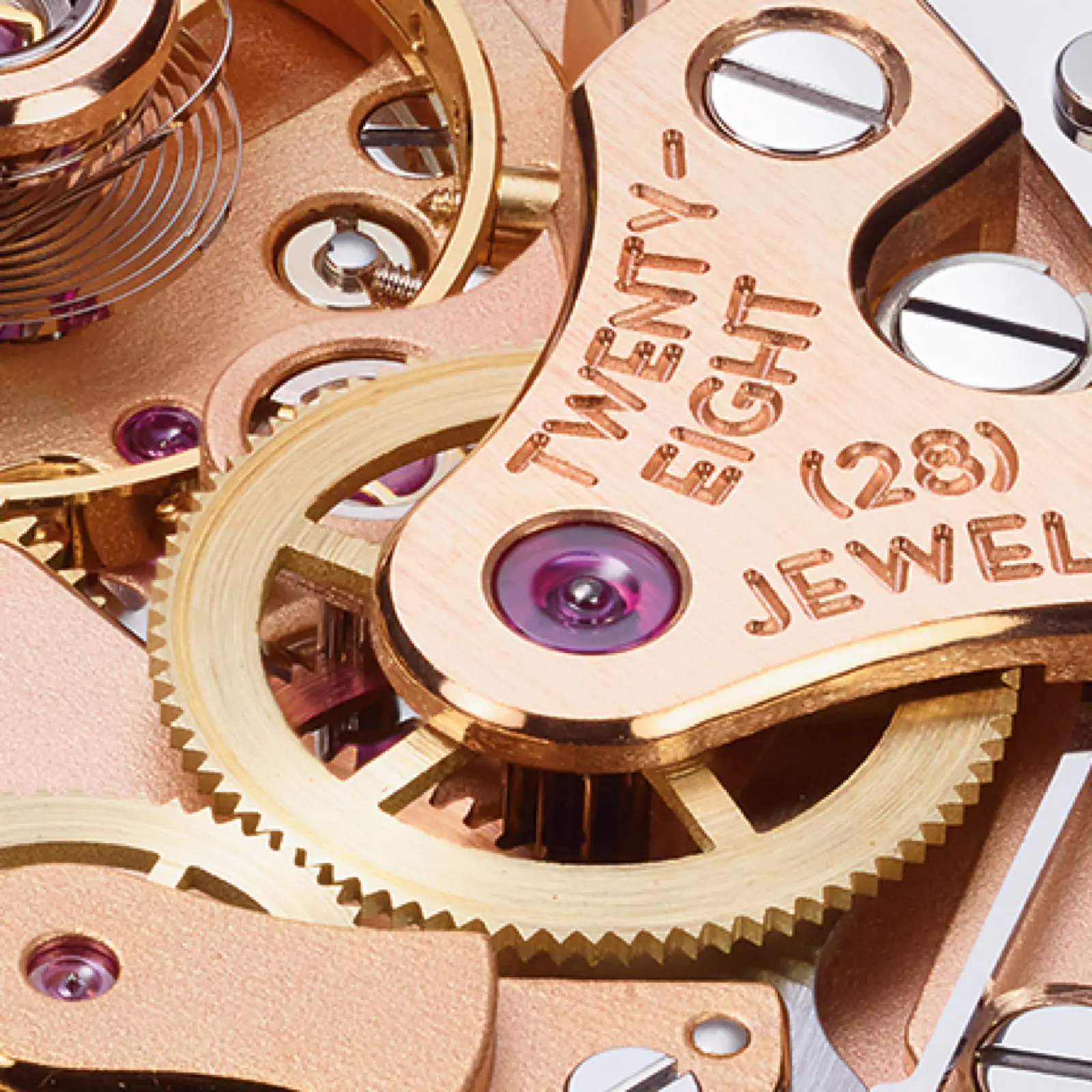
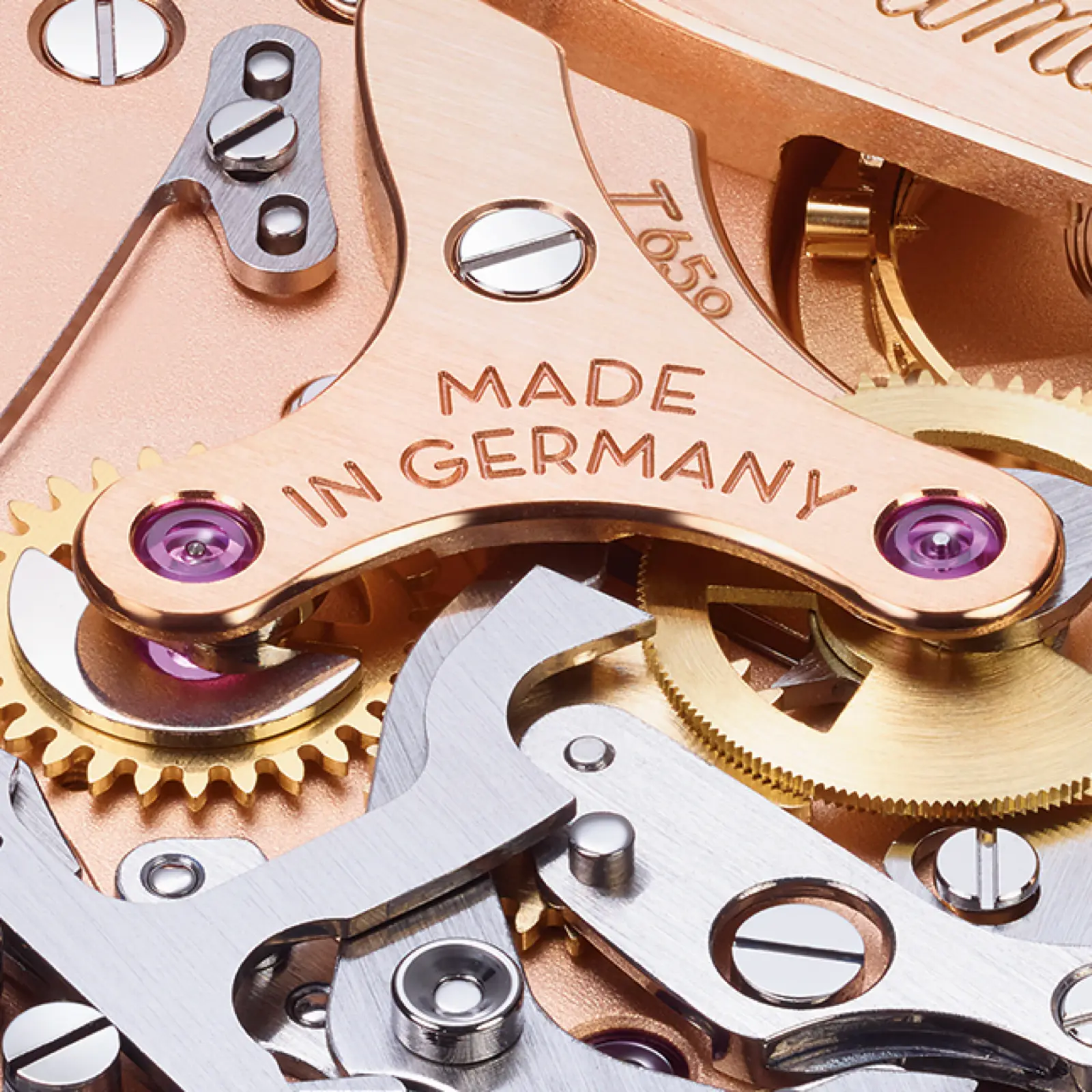
- • 236 components, 28 jewels, 65-hour power reserve
- • Column-wheel chronograph with flyback — reminiscence of UROFA Cal. 59
- • Hand-engraved balance-cock, Breguet overcoil, tin-polished steel
- • Three years in development — premiered Baselworld 2017 for 90th anniversary
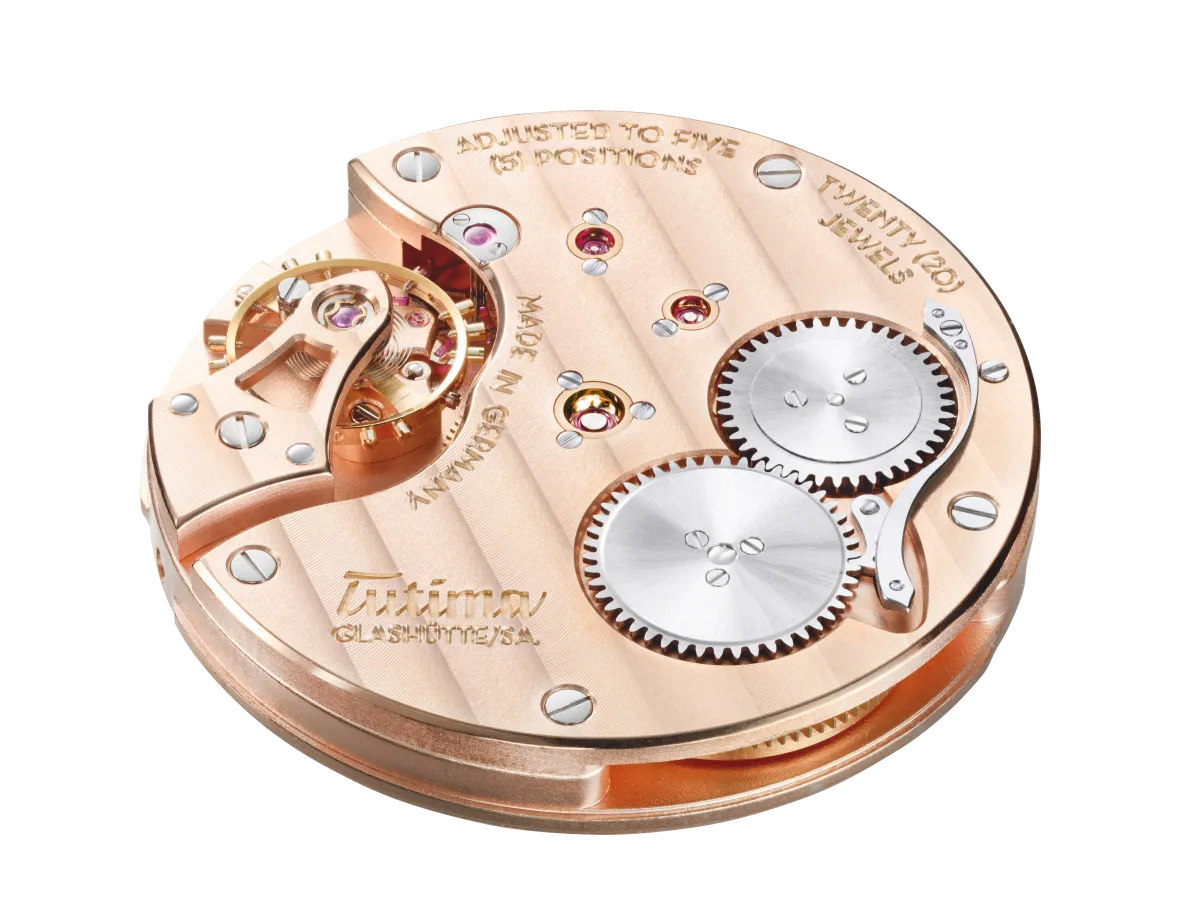
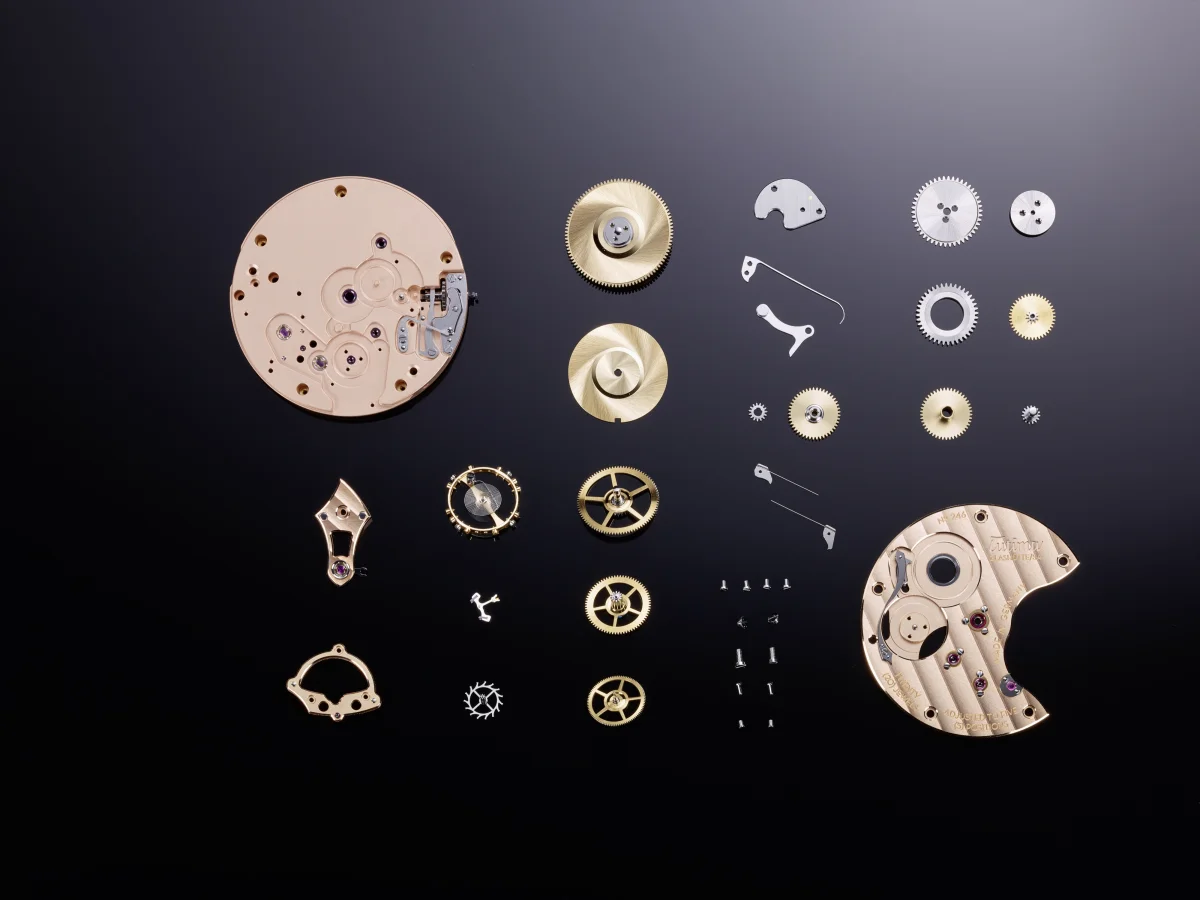
Caliber 617 / 618 / 619
The Foundation
- • Hand-wound, 171 parts, Breguet overcoil
- • The base architecture — Cal. 800 builds on this foundation
- • Cal. 617 powers the Patria
- • Cal. 618 adds a power reserve indicator — Patria Power Reserve
- • Cal. 619 adds a second timezone — Patria Dual Time
Caliber 521
The Chronograph Module
- • In-house chronograph module
- • Central minute hand — unusual for chronographs
- • Powers the Saxon One
Powers: M2 Chronograph
Explore the collection →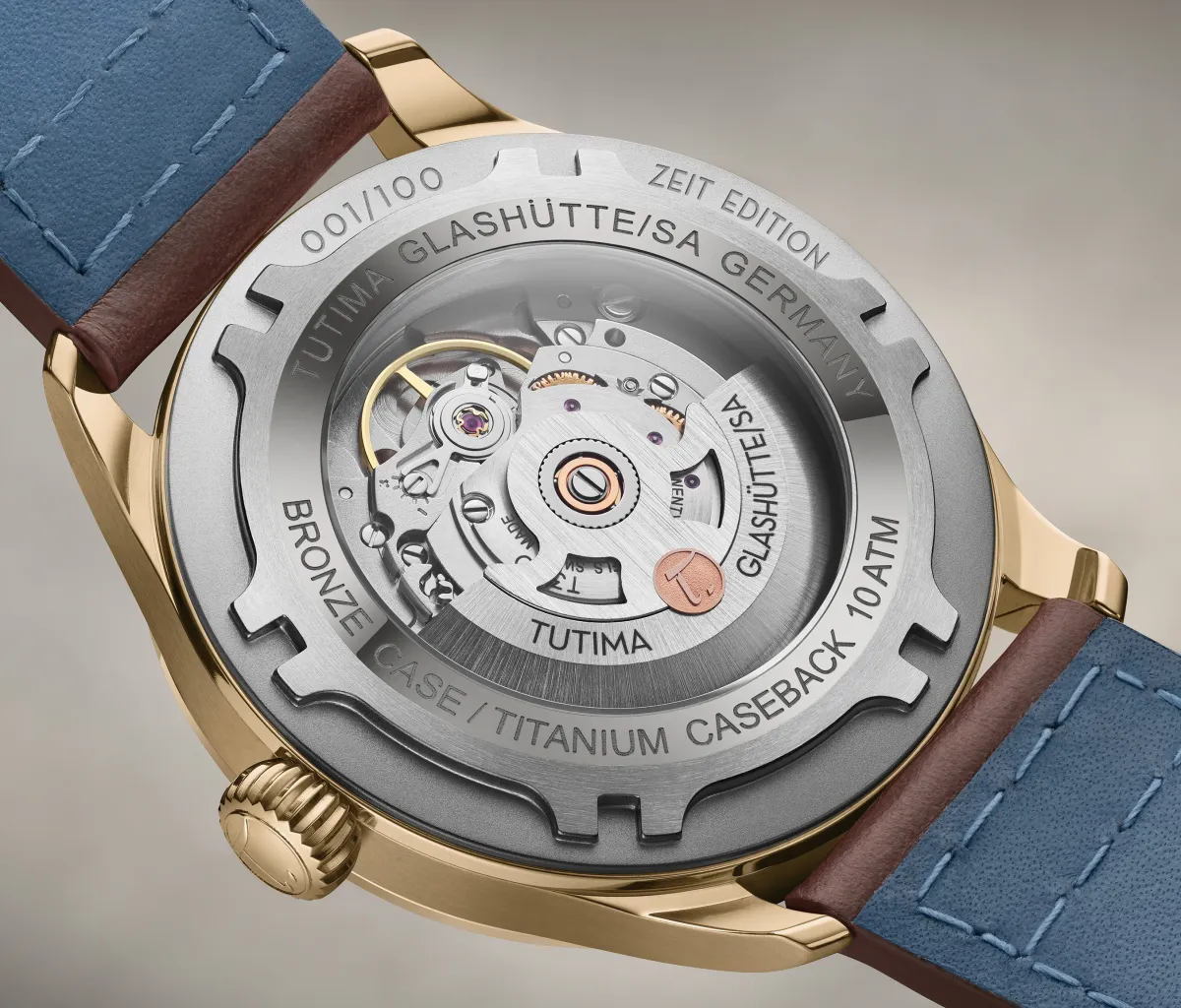
Caliber 330
The Workhorse
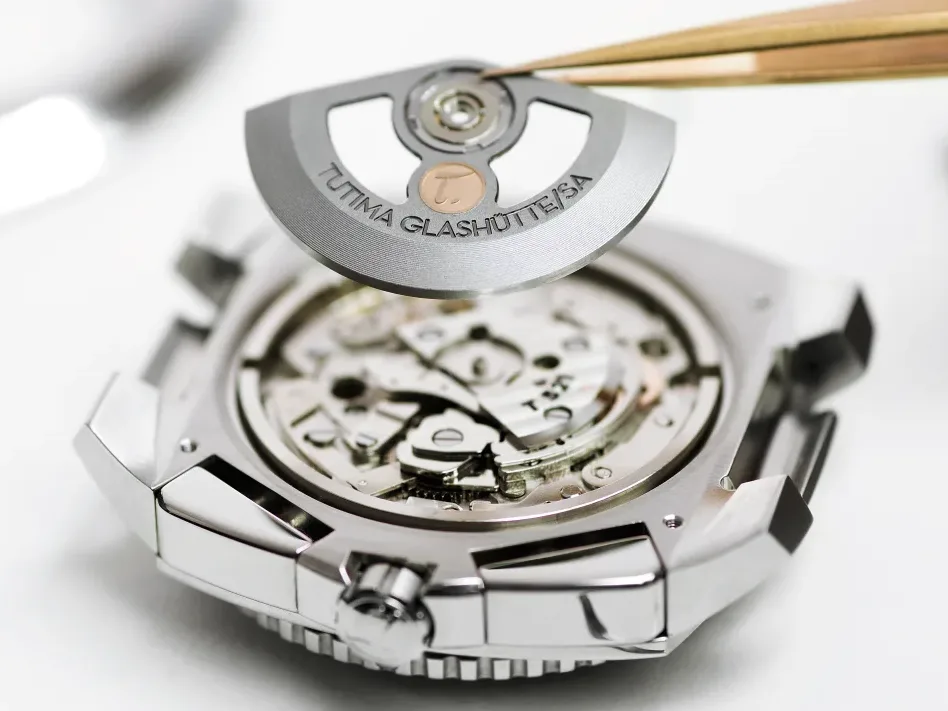
- • Automatic, 26 jewels, 41-hour power reserve
- • Rhodium-plated rotor with 18K gold seal
- • Powers ten model lines — from Grand Flieger to Seven Seas S
Powers: Grand Flieger Classic, Grand Flieger Airport, Flieger Automatic, Flieger Aero Club, Flieger T5, Saxon One, Saxon One M, M2 Seven Seas S, Seven Seas
Explore the collection →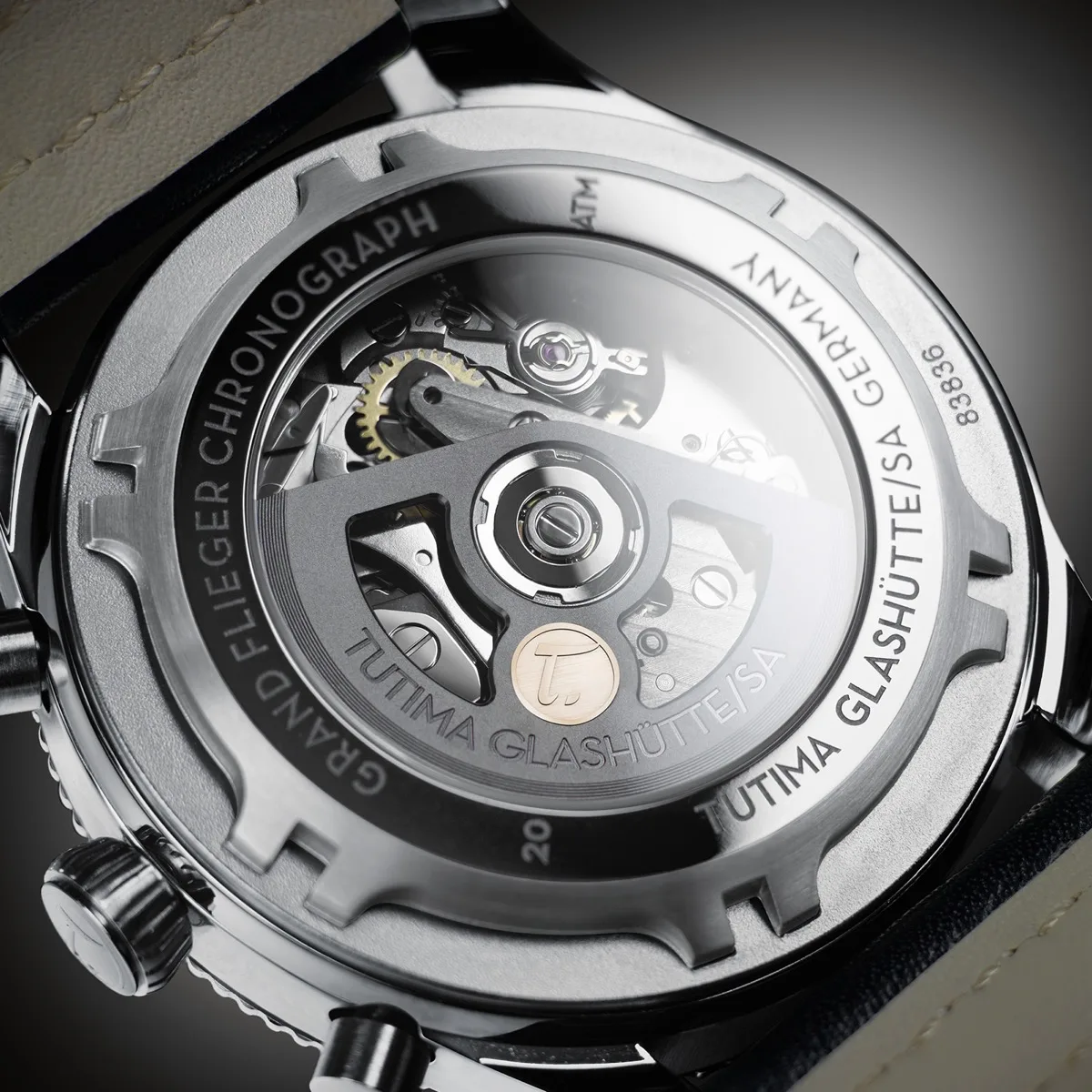
Caliber 320 / 310
The Chronograph Automatics
- • 25 jewels, 48-hour power reserve
- • Cal. 320 — DIN 8319 chronometer certified (GF Airport)
- • Cal. 310 — powers M2 Coastline Chronograph and Mara Safari
- • 60-second, 30-minute, and 12-hour totalizers with day/date
Caliber 340 / 335
Colour & Proportion
- • Cal. 340 — automatic, 21 jewels, 42-hour power reserve (Saxon One Lady)
- • Cal. 335 — automatic (Sky 34mm)
- • Sized for compact cases — 34mm to 36mm
Five Things About Tutima
- 1 In 1941, Tutima built one of the first chronograph wristwatches for the German military — the founder’s brother, Walter Kurtz, was a test pilot. Around 30,000 produced between 1941 and 1945. In 1984, a mechanical chronograph for the Bundeswehr — when the world had moved to quartz. The Flieger is the original.
- 2 The Hommage contains over 550 components and plays the time as sound. It is the first minute repeater ever developed in-house in Germany for a wristwatch — limited to 25 pieces. Its sound was developed in collaboration with the Institut für Musikinstrumentenbau at TU Dresden. The tone is tuned to concert pitch A, 440 Hz. It won the Couture Time Award 2013.
- 3 Family-owned: the Delecate family, three generations. No conglomerate parent, no outside investors. In 2018, Tutima became the first watchmaker to receive Germany’s “Manufacture of the Year” award.
- 4 When the Berlin Wall fell, Dieter Delecate drove to Glashütte. The family rebuilt the manufactory from nothing. They opened it in 2011 — 66 years after the Soviets dismantled the original.
Recognition
"Prices that belie its heritage and expertise."
— Esquire
"One of the last true independent manufactures."
— WatchTime
- • Selected by the German Armed Forces, 1984 (Ref. 798)
- • Aboard the MIR space station
- • First wrist minute repeater in German watchmaking history
Time needs time.
From raw steel to finished timepiece: two to three years. The number is not a marketing claim. It is arithmetic. Machining takes months. Assembly takes weeks — entirely by hand, no assembly line. Finishing each surface by hand takes more weeks. Regulation in six positions takes days.
The critical steps — the Breguet overcoil, the hand-beveling, the six-position regulation — cannot be automated without losing what makes them worth doing. A machine can cut a component. It cannot judge whether the result meets the standard that the watchmaker’s eye demands.
It is not a philosophy. It is a description of the process.
Explore the Collection